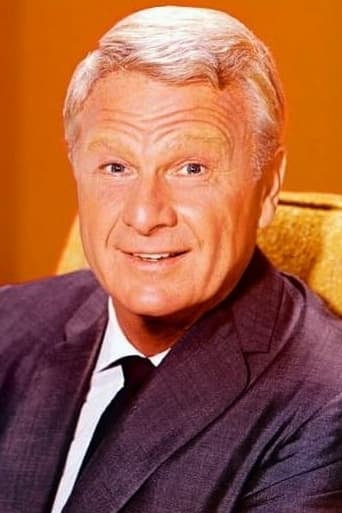
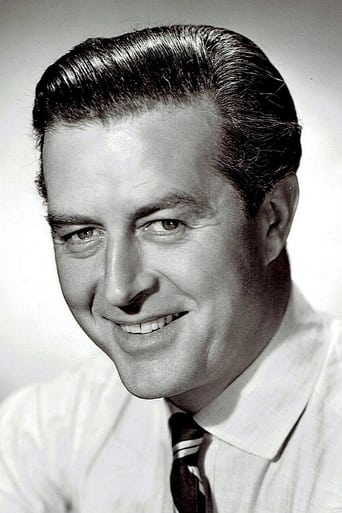
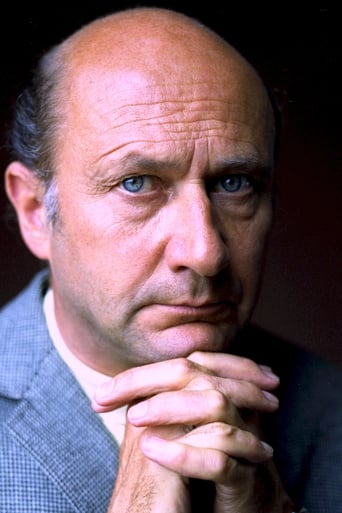

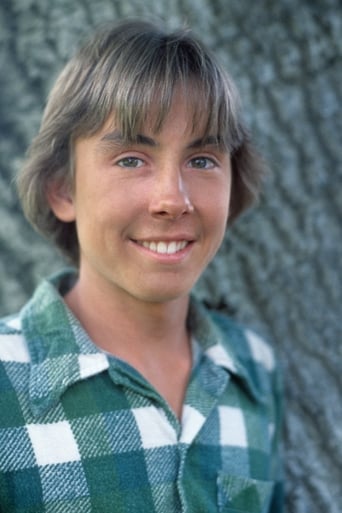

The ratio of old men to children in this movie has to be some kind of record. It's almost as if women do not exist in this world. Just 50 and 60 year old men and little children.
We use cookies to personalize your experience and analyze traffic. You can opt out at any time.

Σκηνοθεσία John Hough
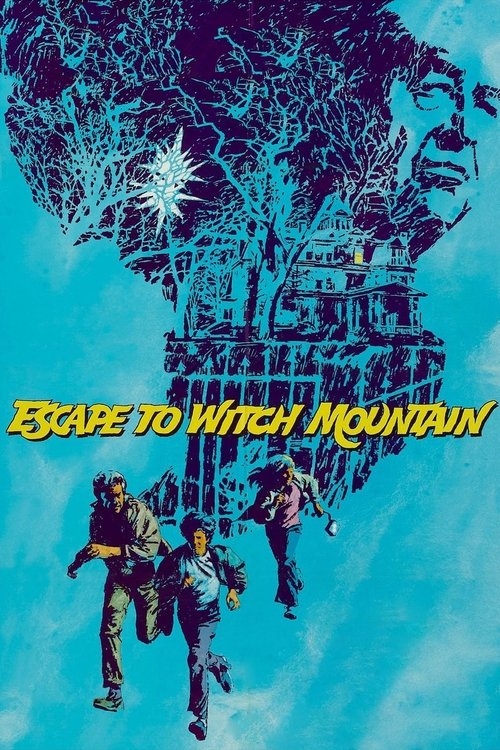
Escape to Witch Mountain
Δύο μικρά εξωγήινα ορφανά με υπερφυσικές δυνάμεις προσπαθούν να ανακαλύψουν την αλήθεια για το μυστηριώδες παρελθόν τους. Οι επιπλοκές προκύπτουν όταν κηδεμόνας τους γίνεται ένας αδίστακτος εκατομμυριούχος που θέλει να εκμεταλλευτεί τις ασυνήθιστες δυνάμεις τους.
Δεν υπάρχουν προβολές της «Απόδραση στο Μαγεμένο Βουνό» στην πόλη Λος Άντζελες σήμερα.
Προβολές για Απόδραση στο Μαγεμένο Βουνό, ενημερωμένες κάθε πρωί
Διάλεξε σινεμά και πάρε υπενθύμιση πριν κατέβει.


The ratio of old men to children in this movie has to be some kind of record. It's almost as if women do not exist in this world. Just 50 and 60 year old men and little children.

In the late spring and mid-summer leading up to my fifth birthday, I was very fortunate to experience two scary cinematic adventures from the comfort of my family’s crappy AMC Hornet station wagon (courtesy of my family’s love for our local Drive-In). First up was the Disney film Escape to Witch Mountain. Then, later that summer, Jaws arrived. On the scare-meter, there was simply no comparison. Sure, Jaws had that severed head jump scare, which thoroughly freaked me out. But Escape to Witch Mountain scared the kindergarten shit out of me—and in extended, sustained fashion. It all started when Tony (Ike Eisenmann) brought out his harmonica and set those creepy marionettes in motion. Then, horror of horrors, Tia (Kim Richards) joined in the dance-a-thon. Holy paranormal activity, Batman! I was left decidedly unhinged, not knowing where to look or where to hide. From that point forward, I anticipated the worst. Thankfully, the film’s villains (Ray Milland, an unusually sedated Donald Pleasence, and a bunch of gun-toting yokels) proved far less scary. But every time an inanimate object levitation graced the screen—like Tony’s harmonica or that revolver—I cowered. I shuddered at those eerie, haunting flashbacks Tia experienced; I dreaded each premonition to follow. And when Tony set in motion that coat rack-overcoat-hat combo to scare corrupt Sheriff Purdy (Walter Barnes) … well, I simply lost it. That was “pale green pants” scary, a Dr. Suess story that haunted me throughout elementary school. That was “all hell breaking loose” scary. How could a mere shark possibly compete?For all its scares, Escape to Witch Mountain also held tremendous attraction for me that late Spring. I developed instant crushes on both Tony and Tia. I wanted to be them, to look like them. I loved their ability to communicate with various furry friends. But I feared those other powers that they held. And I couldn’t jettison that image of those creepy dancing marionettes. I was both attracted and repulsed. I mustered the courage to watch the sequel in 1978 and emerged surprisingly unscathed. But I resisted revisiting the original, despite loving it. Until now. It’s a sweet children’s film, perfectly endearing. Notwithstanding its goofy flying Winnebago effects, the film yields some fun adventure and lovely animal moments. Sadly, it contains neither witches nor any truly mountainous mountains. It does contain a crusty but benign Eddie Albert, for what that’s worth. Granted, it’s no Jaws. But I suspect that it can still scare the shit out of at least one or two kindergartners. And that’s worth four stars, by gum!

The best effects, opening sequence, and a weird atmosphere that seems like Disney fantasy-mystery-thriller-adventure, with its psychic imagery and high fantasy blend, the mystery it builds and the fact that it enjoys the style it has. This is Close Encounters stripped of budget and turned into something smaller, more child-focused. This is a Sinister Fantasy.October count: 8/31
Two orphaned children with extraordinary psychic powers flee from a scheming millionaire who wants to exploit their abilities, aided by a cynical widower.
John Hough directed the 1975 Walt Disney Productions family adventure.
It is primarily remembered as a beloved 1970s family classic rather than a competitive award winner.