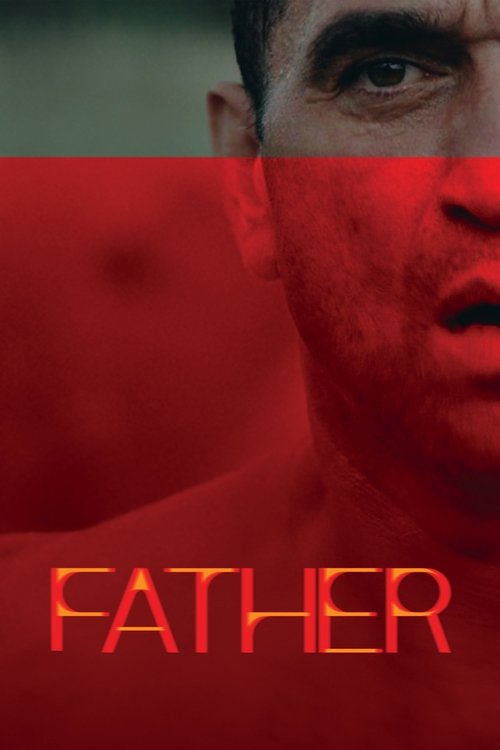


If you were a court judge, a juror, a bystander, or simply another parent, how would you react to someone forgetting to drop their children off at daycare, leaving them stranded inside a car in the middle of a sunny afternoon for hours, causing them to die of heatstroke? As presented in Nvotová’s Otec (transl. Father), there exists a nuanced dilemma when viewed in the defendant's perspective. After all, it was not Michal’s (Milan Ondrík) intention to leave a child, let alone his daughter Domi (Dominika Zajcz), inside a car to succumb to heat exhaustion. But does any of that matter?It’s that word. Intent. It separates one from a decade-long prison sentence to a mere slap on the wrist, accompanied by unwanted bad press, the label of a “child murderer,” and the occasional backhanded contempt of your officemates. And yet, it’s difficult to fault people for thinking this way, as it feels inconceivable that a parent could ever leave their child alone without a hint of malice. Perhaps it's the compounded stress at work that causes critical lapses like this, hence the term “forgotten baby syndrome” that was coined in response to rising cases like Michal’s across the world. Still, the difference between forgetting where you placed your phone and forgetting your child in the car must be emphasized. One would likely cost a thousand dollars to replace at worst. The other costs a life, and no amount of money could ever bring someone back.The dilemma, then, is not whether Michal is guilty. He is, as he admits it so himself. The question is whether the psychological trauma he suffers afterward justifies the consequence (or a lack thereof) in the eyes of the law and his community. Evidence of his love for Domi and his family is scattered in the film: him watching family vacation videos even during working hours; positive testimonies from both his wife (Zuzka; Dominika Morávková) and ex-wife (Eva; Aňa Geislerová) during his trial; and his repeated breakdowns and dissociations at the mere mention of his daughter’s death. No murderer could fabricate grief to this extent. And yet, the question remains: does it really matter?Maybe if the seat belt had been loosened just enough for Domi to escape, or if Michal had taken literal seconds of his day to look back and ensure the backseat was empty. As is presented both in the film during Michal’s sentence hearing sequence and in real life, there are countless ways this tragedy might've been prevented. It's why one cannot entirely dismiss the skepticism of Michal’s coworker (Dáša; Martina Sľúková), or the audience’s questioning of why his current wife remained with him afterward. We mostly judge through emotion, but can any of us truly proclaim, with certainty, that we would never become that parent if placed in the exact same circumstances?It’s largely attributed to Ondrík's stellar performance that such moral dilemma even crossed my mind while watching this film. Had it been another ineffective actor, I might’ve wished for a harsher sentence instead. It’s through his eyes that I see the parental turmoil of regret, fear, and devastation that's palpably tangible. If Bronstein’s If I Had Legs I’d Kick You captures the anxiety of parental responsibility, Nvotová’s Father amplifies it further, revealing the frightening ease in which harm can occur to a child when the mind slips into autopilot at the worst possible moment.