Μια νεαρή γυναίκα φτάνει στην Τσάιναταουν του Σαν Φρανσίσκο από το Χονγκ Κονγκ με σκοπό να παντρευτεί έναν ιδιοκτήτη νυχτερινού κέντρου, αγνοώντας ότι αυτός εμπλέκεται με μία από τις τραγουδίστριές του.
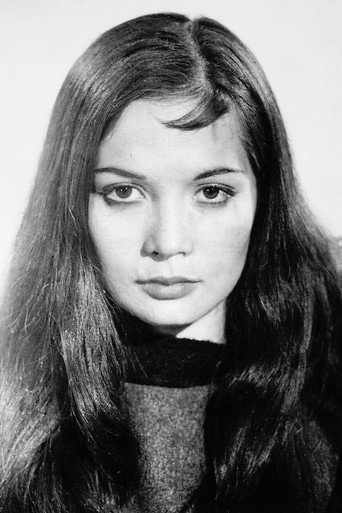
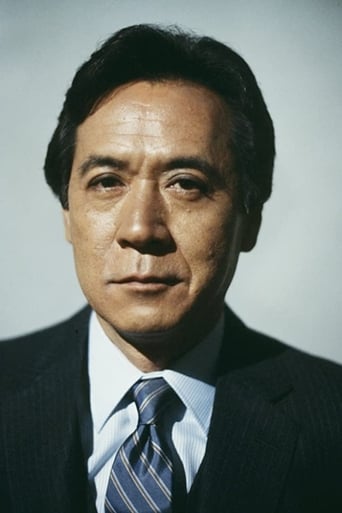
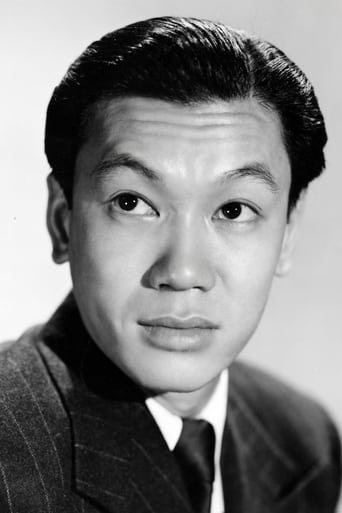
30th Review for The Collab Weekly Movie WatchWhen "Crazy Rich Asians" was announced I remember many promoting it in the media as the first film decades before to feature an all-Asian cast, but apparently all these Gen X, Z, Millennials and one or two Boomers weren't so into the old classic movies since the honour of being the first groundbreaking film to feature such a cast was actually an Oscar-nominated musical from '61 based on a play by the team that brought us classics like The Sound of Music, Oklahoma! and The King and I, among others. As one would expect from something from that era, the film is at times somewhat racist, but at other times quite powerful, a film that is equal parts visually stunning, with vibrant production design and some very solid dance numbers, my favorites being the dream sequence in the second half and "Chop Suey" (although the System of a Down song is still much better).Furthermore, the cast is made up of actors who eventually managed to establish themselves and make a certain difference in cinema within their community, be it Nancy Kwan, James Shigeta or Miyoshi Shimeka (the first Asian-American to win an Oscar), who all deliver very good performances and prove they have nothing to envy their white counterparts, and some would say they did a great job eschewing the tropes of white starring musicals of that era and the one before.My only issue is that the story feels a bit trite, perhaps because I've seen it a thousand times, it feels a bit repetitive and tired. The music is equally good, but besides "Chop Suey" none got to stuck with me.All in all, the film has some derivative elements that detract from it, but it is still a very good musical whose fans, especially those who like the genre, will probably have a lot of fun with.TODAY SCHEDULEFlower Drum SongThe Oak RoomThis Boy's LifeSing 2
Ziglet_mir4.0
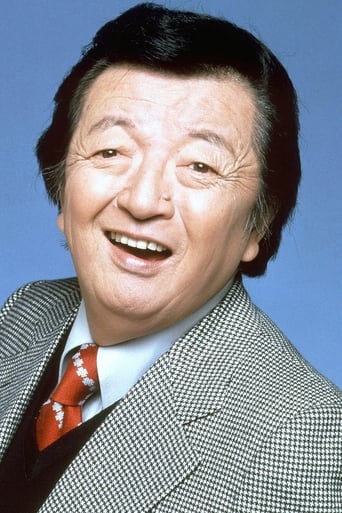
This carries immense Golden Age Hollywood musical swag, though while some songs are mediocre the character interactions and asides are entirely on point, posing commentary on the conservative Chinese culture and the modern American culture. The film is quite grounded in its plot yet manages to burst at the seems with liveliness and wackiness. Nancy Kwan and James Shigeta are simply gorgeous people to look at while Benson Fong, Jack Soo, Juanita Hall and Patrick Adiarte fill out the rest of the great moments this film has. I am pretty grateful to not only be reminded of Jack Soo, but also find major delight in the fact he can swoon with a great voice and be solid comic relief. What really makes this film for me is two things:1. Includes an early cinema fart joke, two years after Ozu’s Good Morning.2. The insanity of how the third act comes to a close, with Miyoshi Umeki getting her idea to save the day from a TV western and exclaiming a racial slur before an entire wedding reception.Viewed on Amazon Prime. Shoutout to Xander for putting this on my radar. Give the lad a follow!Included in my Flatulence in Cinema list.
Joshua Dysart4.0
I know it would’ve made life very hard for arranged bride Mei Li and her father, but, c’mon... it’s Wang Ta and Helen Chao forever. You know it’s true. If this movie were being honest with itself, it’s gotta be Helen and Ta. Those two are made for one another. Generationally and culturally American in the same ways, already good friends with one another, both gorgeous. I hear that Helen kills herself in the novel, so... that’s a bummer.Jack Soo is fucking incredible in this. Amazing. Also, Patrick Adiarte is a goddamned movie star. There’s a lot of big, wonderful performances here. The music numbers start relatively small and boring, and they’re generally not all hits, but there’s a lot of em, they keep coming, and they really ramp. Many of the numbers end up popping off something fierce with incredible production design, gorgeous lighting, and some super fun set builds.Everyone is expecting this to be problematic, and it totally is. Of course. It’s like a rising helix of cultural appropriation. Layer upon layer, traveling infinitely in all directions. Much has been made about the Japanese, Filipino-American, and African-American actors cast as Chinese American characters. It’s far from the worst racial casting of the early sixties, BREAKFAST AT TIFFANY’S drops this same year, and we all know how the Chinese American representation in that plays out, but it’s still not pretty to see. But also, lots and lots of Asian Americans are on screen and behind the camera as well. And many of the characters in this film are demanding acknowledgment from the white gaze, both preaching fidelity to the West and slightly mocking it at the same time, which is the right of all Americans. But of course, Westerners are writing and lensing it all with a huge tilt towards exoticization and stereotypes, so they have the ultimate power in how it's represented. Well meaning narratives become complicated when you have to hear the word “wetback” used three times and the phrase “my back is wet” once, even when it’s employed as “empowering”. But I guess getting at least one latino slur in there makes it feel all the more Californian. Whites, blacks, Latinos, East and Southeast Asians... if that’s not a Californian concoction, I don’t know what is. Everyone is co-opting everyone here. All kinds of people are getting exposure and all kinds of misconceptions are being reinforced at the same time. Maybe it’s to the point where it sort of becomes transcendent. Or maybe not transcendent, but something that’s at least joyous and, to some degree, liberating. Or fuck, I don’t know. I’m in no position to say. I did have a shit ton of fun watching it though.“As a boomer Asian American, you didn’t often see people that looked like you on TV. And the idea that the younger generation, at least, was portrayed as American was unusual. So growing up, the musical represented one of the few positive portrayals of people that looked like me. And then, at another point in my life, it became something to be demonized.” — David Henry Hwang, quoted in the 2001 Los Angeles Times article, “Let the Debate Begin”.
More like this
Συχνές ερωτήσεις
Για τι μιλάει η ταινία «Το τραγούδι του λουλουδιού του τύμπανου»;+
Μια νεαρή γυναίκα φτάνει στην Τσάιναταουν του Σαν Φρανσίσκο από το Χονγκ Κονγκ με σκοπό να παντρευτεί έναν ιδιοκτήτη νυχτερινού κέντρου, αγνοώντας ότι αυτός εμπλέκεται με μία από τις τραγουδίστριές του.
Ποιος σκηνοθέτησε την «Το τραγούδι του λουλουδιού του τύμπανου»;+
Η «Το τραγούδι του λουλουδιού του τύμπανου» είναι σε σκηνοθεσία Henry Koster.
Ποιοι πρωταγωνιστούν στην «Το τραγούδι του λουλουδιού του τύμπανου»;+
Στην «Το τραγούδι του λουλουδιού του τύμπανου» πρωταγωνιστούν Nancy Kwan, James Shigeta, Miyoshi Umeki, Benson Fong, Jack Soo.
Τι βαθμολογία έχει η «Το τραγούδι του λουλουδιού του τύμπανου»;+
Η «Το τραγούδι του λουλουδιού του τύμπανου» έχει βαθμολογία 3.2 στα 5, βάσει 3.657 αξιολογήσεων στο Letterboxd.