
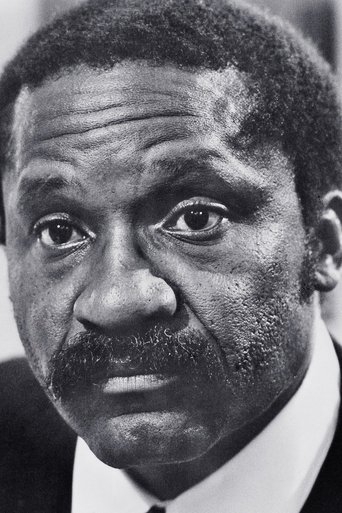

To The Editor:There are times when the white critic must sit down and listen. If he cannot listen and learn, then he must not concern himself with black creativity.... I want to say that it is a terrible thing to be a black artist in this country — for reasons too private to expose to the arrogance of white criticism.One white critic left my film Ganja and Hess, after 20 minutes and reviewed the entire film. Another was to see three films in one day and review them all. This is a crime.... Another critic wondered where was the race problem. If he looks closely, he will find it in his own review.If I were white, I would probably be called "fresh and different." If I were European, Ganja and Hess might be "that little film you must see." Because I am black, I do not even deserve the pride that one American feels for another when he discovers that a fellow countryman's film has been selected as the only American film to be shown during Critic's Week at the Cannes Film Festival, May, 1973. Not one white critic from any of the major newspapers even mentioned it.... Marlene Clark, one of the most beautiful women and actresses have ever known, was referred to as “a brownskinned looker” (New York Post). That kind of disrespect could not have been cultivated in 110 minutes. It must have taken at least a good 250 years.Your newspapers and critics must realize that they are controlling black theater and film creativity with white criticism. Maybe if the black film craze continues, the white press might even find it necessary to employ black criticism. But if you can stop the craze in its tracks, maybe that won't be necessary.Bill Gunn to the New York TimesMay 13, 1973