


Mood
Ρώτα το Mood

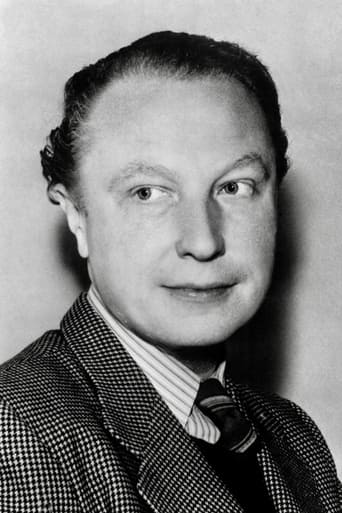
Σκηνοθεσία Douglas Sirk

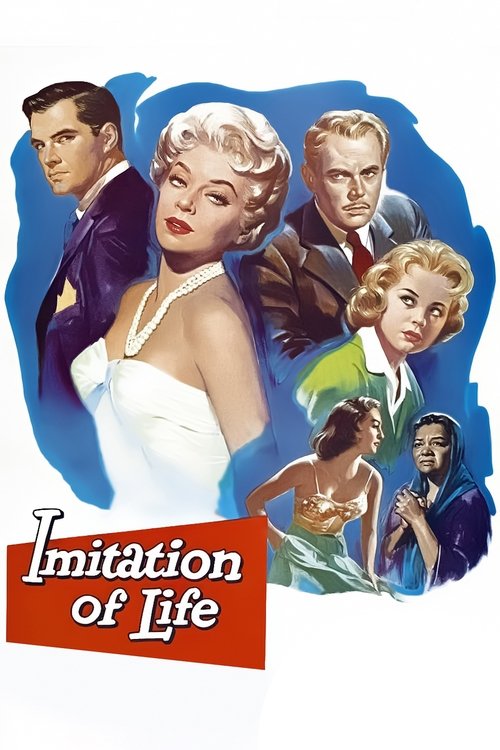
Αντίγραφο της Ζωής

Imitation of Life

Θρυλικό, συγκινητικό δράμα

Στη Νέα Υόρκη της δεκαετίας του 1940, μια λευκή χήρα που ονειρεύεται καριέρα στο Μπρόντγουεϊ συναντά τυχαία μια μαύρη ανύπαντρη μητέρα, η οποία γίνεται οικονόμος της.

Letterboxd

Πού παίζεται

2

Η «Αντίγραφο της Ζωής» παίζεται σε 1 σινεμά στην πόλη Λος Άντζελες — επόμενη προβολή Κυριακή 6 Σεπτεμβρίου στις 16:00 στο Los Feliz 3 Theatre.

Κυριακή, 6 Σεπτεμβρίου

Χειμερινό

Πέμπτη, 10 Σεπτεμβρίου

Χειμερινό

Ώρες προβολών για την Αντίγραφο της Ζωής

Αντίγραφο της Ζωής

Find more films like Αντίγραφο της Ζωής

Showtimes in your city.

Download on the App StoreGet it on Google Play

Συντελεστές

6

Κριτικές θεατών

sakana13.0

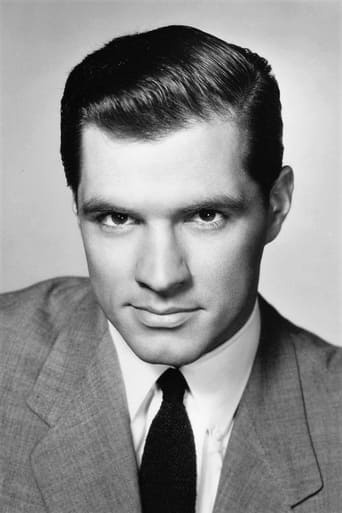
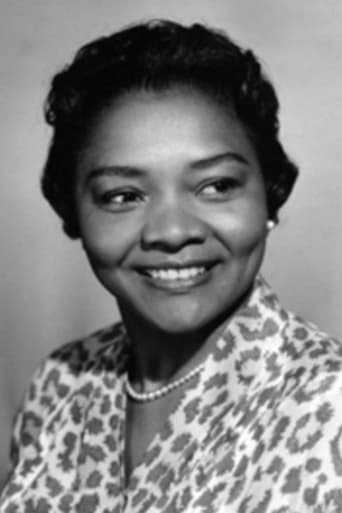
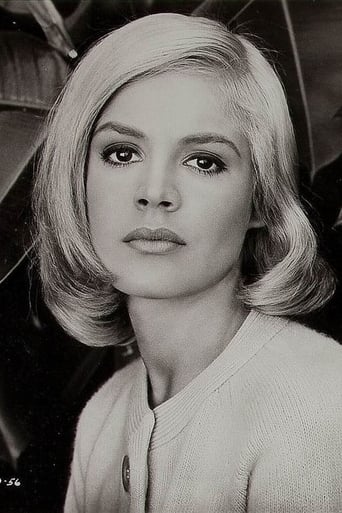
There's something a little icky in the experience of watching Douglas Sirk's Imitation of Life. Part of it, I think, is how difficult it is to escape the sneaking suspicion of exploitation that comes with a major Hollywood studio centering a Black actor purely to celebrate the sacrifice and suffering of the character they play. Juanita Moore gives a masterful performance as the forever supportive, giving Annie, but despite it being gussied up by screen time, a spectacular funeral, and a richly deserved Oscar nomination, it's nevertheless a very familiar role, one that calls to mind the well-worn, ferociously racist 'Mammy' figure of plantation fiction, described by Jessie W. Parkhurst in 1938 as (deep breath): "self-respecting, independent, loyal, forward, gentle, captious, affectionate, true, strong, just, warm-hearted, compassionate, fearless, popular, brave, good, pious, quick-witted, capable, thrifty, proud, regal, courageous, superior, skillful, tender, queenly, dignified, neat, quick [and] competent ..." Just because it's a positive depiction in 1959 doesn't mean it's less of a stereotype, or less dismissive of the character's possibility of possessing a nuanced humanity.Alongside this character, who bears an undeniable resemblance to an old, racist stereotype, Sirk also presents another familiar, very conservative trope: women have to choose either work or family and, when they refuse to choose and succeed in the former, they necessarily fail in the latter. In a vacuum, Lora's (Lana Turner, the cost of whose magnificent wardrobe — The pink pants with the long white, sleeveless top? The coral linen with the turquoise jewelry? I, a person who knows nothing about clothes, was swooning. — was more than quadruple Moore's salary.) fierce independence and ambition is galvanizing and inspiring, proof that a woman can both chase what she wants and get it. In context, however, she's a self-confessed failure, not only a bad mother but also, as she admits to herself and Annie after the -nth successful stage performance, "... You make it, then you find out it doesn't seem worth it. Something is missing." It goes without saying, of course, that that "something" she's lacking is the traditional, suburban home that she's sacrificed for her career, full of pipe smoke and masculine laughter, where she cooks and cleans and raises her daughter, waiting with her husband's slippers for his triumphant return from the rat race each evening.Finally, there's a real discussion to be had about Sarah Jane (another fantastic performance, this time by Susan Kohner, an actress considered white by Hollywood, playing a Black character), and the way her passing is so consistently linked to her sexuality, specifically a desire for white men. On one hand, I suppose, it's a certain kind of empowering to see a young woman refusing to restrict her desires in order to conform to conventional morality. On the other, however, the clear implication of promiscuity is unavoidably linked to Sarah Jane's race, whereas Susie (Sandra Dee), Sarah Jane's white counterpart — her household sister — is the very image of innocence and naïveté, someone whose greatest expression of desire is to fall chastely in love with her mother's spectacularly bland forever suitor, played by John Gavin. This linking of race and sexual knowledge and desire is, I think, another aspect of the unintended ways in which the film is uncomfortable to watch.All of that said, I would like to follow my copious criticism with buckets of praise for Sirk's inspired use of the perpetually underappreciated and underutilized Robert Alda. His performance as skeevy agent Allen Loomis is so perfectly turned that he totally overshadows Turner and everything else that's going on in their two short scenes together. ⏩ These two articles really helped me think through the movie and my reactions to it: "What's the Matter with Sara Jane?": Daughters and Mothers in Douglas Sirk's "Imitation of Life", by Marina Heung, and Passing Films and the Illusion of Racial Equality, by Karen M. Bowdre. Both are on JSTOR; if you don't have that, I can help with access for anyone interested.⏩ Douglas Sirk, ranked.

SilentDawn5.0

93/100Douglas Sirk is a master of feeling, and Imitation of Life is no exception. Viewing a Sirk film is like knowingly diving into a kiddie pool, embracing its mush and melodrama, but as soon as you hit the water, its depths are unexpected and gorgeously profound. Never have I seen a film tackle a traditional rise/fall narrative and switch character perspectives continuously, and it results in a lovely piece of schmaltz that feels less like a character study and more like a mosaic of people and relationships. This widening view of family flourishes when paired with its racial and social underpinnings, and the discussion of cutthroat showbiz also meshes well with the typical Sirk theme of buried turmoil in an unforgiving society. It is certainly one of the most progressive films that I have seen from the 1950s, and I'm quite happy to report that I was floored by every second of this cinematic delight. I've only seen two films from Douglas Sirk, but he's already shaping up to be one of my favorite directors.

Rod Sedgwick4.5

''How do you tell a child that she was born to be hurt?''Well with this, my second Douglas Sirk film after All That Heaven Allows, I can recognise the intuitive gaze of a man of European descent, and how he saw American society and dutifully applied bitter critique and social commentary to the Hollywood studio film, which is probably quite telling as to why his films were not received quite as well upon release as the rapturous reappraisal that has existed ever since. 1959's Imitation of Life is almost epic in scope, both with vast amount of characters it explores and the weighty issues it examines with race, class, gender and capitalism at the forefront. What some would label as pure melodramatic soap opera, could have been just that in the wrong hands, yet Sirk had proven his vision to be far more assertive in the desire to transcend the traditional Hollywood approach by offering a scathing dissection of American society and culture, but presenting it in such a way that didn't require a soap box to speak basic truths. Sirk's Mise en scène is exquisite as ever here (just look at the way Juanita Moore's Annie Johnson peers through a shadowy nook as she watches her daughter dance in a gentleman's club, where she will go onto to deny her like Judas Iscariot) and Russell Metty's cinematography, whilst not as noticeably arresting as in All That Heaven Allows, proves to be so finely tuned to Sirk's vision that they were indeed a match made in heaven. The scope of the narrative, sharp writing and the wonderful performances left me dazzled, and yes the drama is heightened by today's standards, but it is totally befitting of it's era and needs to be viewed with this in mind. The world we live in will always struggle with the issues that the Imitation of Life highlights, and the reverberations though the ages will always be relevant. It seems poetic that Sirk would end his Hollywood career on such a high, and boy oh boy what a bow out is the stunning finale of what many would consider his masterpiece.

Συχνές ερωτήσεις
What is Imitation of Life about?+

A white aspiring actress and a Black single mother form an unlikely household in 1940s New York, grappling with their own ambitions and the complicated, strained relationships they have with their respective daughters.

Who directed Imitation of Life?+

Douglas Sirk directed this 1959 film, widely considered a pinnacle of the American melodrama genre.

    We use cookies to personalize your experience and analyze traffic. You can opt out at any time.