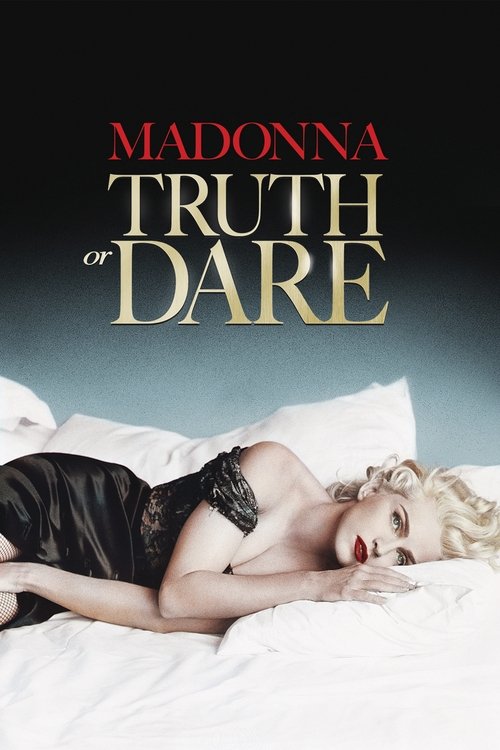
MADONNA IS LIFE !!!!!!!!!!!!!!!!!!!!!!!!!!!!!!!!!!!!!!!!!!!!!!!!!!!!!!!!!!!!!!!!!!!!!!!!!!!!!!!!!!!!!!!!!!!!!!!!!!!!!!!!!!!!!!!!!!!!!!!!!!!!!!!!!!!!!!!!!!!!!!!!!!!people loathe/mock madonna because she reminds them of their own mediocrity!!!!!!! people fear a powerful woman SORRY!!!! fucking SUE ME!!! if you don’t fuck with madonna, i don’t fuck with u!!!!!!!!!!!!!!!!!!!!!!!!!!!!
madonna setting up a meeting with antonio banderas because she thinks he's hot, getting mad because she learns he's married when she gets to pedro almodóvar's party, flirting with him even though his wife is there, kissing him on the mouth in front of the press, saying in voiceover "that was the last time i saw him. he's not even that good of an actor anyway," then starring in evita with him 5 years later? excellent chaos, we love to see itbonus points for how much she makes fun of warren beatty & how she makes a gagging face when kevin costner calls her show "neat"
There's a moment in this film where Madonna laughs off someone suggesting that she never wants to be off-camera. The undertone is that she just wants attention all the time, that she needs the spotlight. The appeal of this is not unusual; it's not inhuman to want attention. It's not bad. There are negative ways to seek that attention, but having a documentarian in your personal space is hardly the most dangerous, even if you are one of the biggest stars in the world. It's interesting to note that in the aftermath of the film, several of her dancers sued for, in some ways, being over-exposed without their consent. A generous reading of this circumstance is that Madonna simply did not consider that anyone might not share her desire to tell and show all; an less kind interpretation is that she simply didn't care. Certainly she has a reputation for being a calculated business woman, but there are many ways for a woman to gain fame and fortune. That Madonna chose a path--or chose to maintain a path--that, for a time, meant that part of her persona was being revealing both in terms of her body and her soul suggests an interest in personal exhibitionism.I can relate to that. I don't get on stages, and I'll never be as famous as Madonna. My outlet is this therapeutic film journal here. But I certainly use it to bare all, metaphorically, and the feeling of sharing, of connecting to so many people, many of whom never even speak to me, is powerful. It's affirming. Imagine doing that on the scale that Madonna did. Imagine having an audience of millions; imagine having the access and power to reach the whole world. Having this film to share herself with, she chooses to do so by showing her working relationships. Her romantic relationships are tangential; they are there but not centered. They interact with her work, not the other way around. Though she connects with family and friends, they all come to her shows. They come to her space. They come to where she is in command, in control. Her dancers share more personal time with her, which is likely reflective of her actual life (especially at the time this was made). It's hard to tell what's posed for the camera and what isn't, but certain goofy genuine pieces especially feel sincere. At times, you can feel the fact that these are intimate moments between worker and boss. It's an interesting portrait, because it's hard to tell whether this is intentionally conveyed.But it doesn't matter.Strip the context out of this. Forget Madonna's appropriation of black and queer culture. Forget her off-stage activities in general. Forget that she's a world famous superstar with all the money and power that comes with it. Forget everything except being a young queer kid seeing "Like a Prayer" for the first time. You're lost in an overbearingly religious hometown (in a blessedly vaguely religious family at best), feeling the constraints already, attracted to the profane because it feels like a way out. You don't know you're a girl yet, but you connect with female icons in your heart, even if you instinctively hide it. The gospel uplift of the song sticks with you; the sacreligious imagery sticks with you. But mostly, the strength of her persona sticks with you. Her presence. Other videos ("Human Nature") would leave deep impressions (ehem), and your first exposure ("Like a Virgin") would always make you experience gender-feels. But "Like a Prayer" would make you wish you were her. That's the Madonna that you experience watching this. This isn't fandom; it's nostalgia. This film presents a Madonna who, to a young queer kid, suggested power through sexuality. This isn't a necessarily positive thing or negative thing; it simply is the impression she left. Nostalgia narrows the vision and replaces the wider context of the film within the past. It makes it feel good to watch and remember and experience those reactions to an image of her that isn't and wasn't and won't be. It feels uplifting at times to re-experience Madonna from that angle. Coming back to the present, though, flaws slip through. This film touches briefly on the queerness of her dancers (and gives a lot of time to openly homophobic bullshit), and Madonna makes references to her own bisexuality (or bisexual behavior). It feels cheap, though, despite its impact and the implicit acceptance that manages to get past the time given to the bigot. When it becomes part of the titular game, it feels exploitative. More egregiously, we see Madonna laugh at learning that one of her coworkers was sexually assaulted, and her response is less than sympathetic. It's about her, not the victim. The full context of that event is not really explored, and it begs the question why it was included at all. The film crosses lines all over, some of them positive (showing queerness openly in 1990) and some of them repulsive (the response to the assault), but at the time, it probably just seemed like Madonna's brand. Now it feels opportunistic. So the nostalgic lens is preferable: enjoy the icon as an icon if you can forget the wider context. Appreciate what parts of her persona you can still relate to. Enjoy the songs that mean something still; forget "American Pie" ever existed. Engage with the boundary pushing from that lost viewpoint from 30 years ago. Watch her dance and move and sing; watch her laugh and make gross jokes. Remember who you were and how you got to where you are and what part of that journey she was.Kathleen's VHS Collection 2017: 78/100