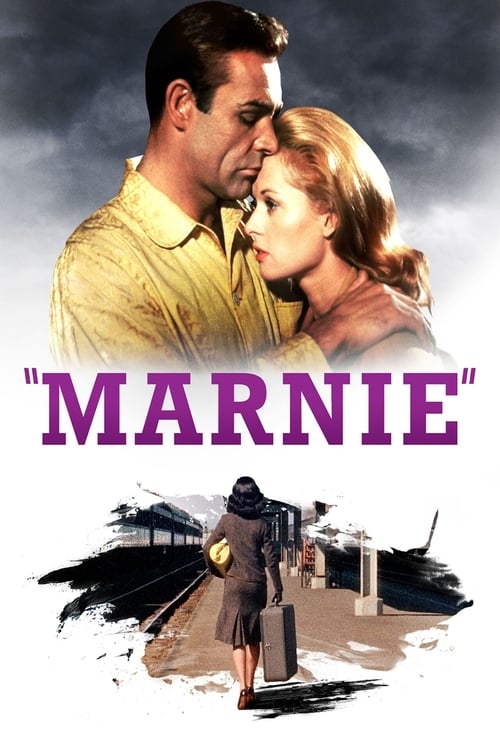
Maybe the most downright repulsive movie Hitchcock made, in part because he didn't see it that way. Layers of psychosexual power games and facade covering up gendered abuse and trauma until the facade itself becomes the trauma. I'm not too often shocked by movies much anymore (especially ones operating in classical styles such as this) but the rape scene followed by suicide attempt here very much disturbed me.
Marnie bleeds like an open wound, but you cannot die from this injury. The blood keeps spilling and spilling until it becomes the background of your life and informs your own existence. There's no patching up, moving on and healing so you dig and dig into your own flesh until you're more wound than person and any small prick can cause the blood to overflow once more. Marnie has never known another feeling her entire life.
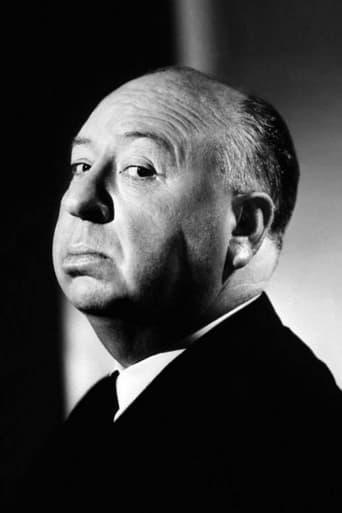
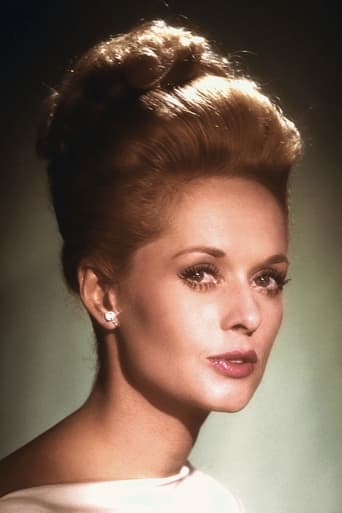
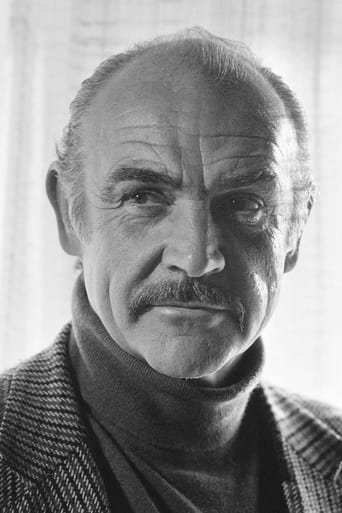
"The legacy of Alfred Hitchcock is that he is a master of control; a director so in tune with suspense, time and pacing that he could make audiences suffer before unleashing a grand epiphany which made each and every person come back asking for more. This was true even in his previous film starring Tippi Hedren, The Birds. That movie was a box office smash with many of its images and isolated scenes, like the one of crows gathering on a power line, becoming iconic over time. Marnie is fascinating, because Hitchcock seems to have no control here. He's beholden to his worst curiosities and sexual perversions, and there's a moral unsureness about how to film characters like Rutland, who do obviously terrible things, because he still has sympathy for him, even if he probably shouldn't. In theory Rutland is supposed to be the hero of the story, and to some degree Hitchcock isn't sure if that should be the case—so he shoots Connery like a monster. Sometimes Mark is framed like he's evil and other times he's given the broad-shouldered, warm appeal of a man who can protect, but he obviously isn't that kind of character. It makes the push and pull between what is being presented, and what is being perceived sometimes at odds with one another, making for an uncomfortable, but altogether authentic experience of trauma, and the men who cause it. Even in Hitchcock's opening cameo he can be seen staring at Hedren as she walks across the hall. It’s blatant, obvious, and foreshadows the path this movie would follow. It’s the rare film made by someone who was abusive in real life, that sheds light on his own negligent thought processes and is empathetic to some degree, because Hedren, the victim in this case, was given center stage to make visible her own struggles working with Alfred Hitchcock. It’s the most tragic instance of art imitating life imitating art. Marnie, in this respect, feels like an admittance of guilt and self-hatred on the part of Alfred Hitchcock, because he cannot consistently figure out what to do visually, or in the pacing with Rutland, a character he obviously personally relates towards. Likewise, Hedren’s performance as Marnie is a primal scream of visual cues and body language that are familiar to anyone who has experienced sexual assault. The tug of war between these two factors are what makes Marnie a draining, audience unfriendly affair, but behind the curtain, Marnie is the real Alfred Hitchcock. "I finally wrote about Marnie. Read the entire essay heremubi.com/notebook/posts/what-is-the-color-of-shame-the-tragedy-of-marnie