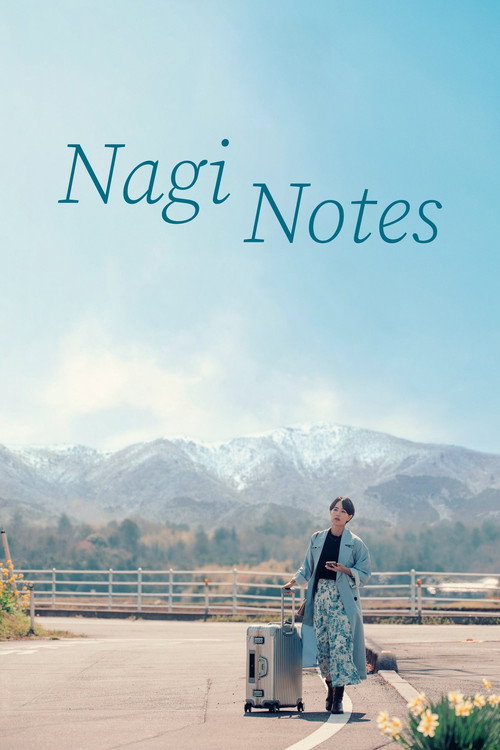


A rural farm town some 630 kilometers west of Tokyo, Nagi is the kind of place where everybody knows each other. That makes it a wonderfully fertile setting for a film by rising Japanese auteur Koji Fukada (“Love Life,” “A Girl Missing”), whose characters often struggle to know themselves. That potential is on full display from the first moments of Fukada’s characteristically probing ( if uncharacteristically sweet) “Nagi Notes,” as divorced architect Yuri (Shizuka Ishibashi) has only just gotten off the train from the big city when she’s stopped by a quiet local kid named Keita (Kiyora Fujiwara) who’s got a drawing of her saved on his phone for some reason. Keita sees Yuri for who she is despite never having met her before; Yuri’s ex-husband couldn’t do that despite being married to her for several years.Inspired by a 1994 Oriza Hirata play called “Tōkyō Notes” (which was itself based on Ozu’s “Tokyo Story”), Fukada’s gentle adaptation is far too curious and clear-eyed to risk becoming a simple paean to the pureness of country living, but the film palpably taps into the kind of focus that’s only possible in a place so free of distractions, and to the freedom that comes with it — including the freedom to leave. Yuri is perfectly familiar with that particular freedom, of course (she left her husband, after all), but she continues to grapple with the consequences of exercising it for herself. In Japan, women typically join their partner’s family when they marry, and detach from it when they get divorced. Yuri split from her spouse because she wanted to go where she pleased, and the number one destination she had in mind was her ex’s hometown of Nagi, where his sculptor sister Yoriko (“Confessions” star Takako Matsu) still lives in the house where they were raised. Yuri and Yoriko grew close when they were siblings-in-law, and neither of them see any reason to leave their relationship behind just because one of them went through a break-up. The patriarchy is punishing enough within the confines of a marriage. ~this review continues on IndieWire~