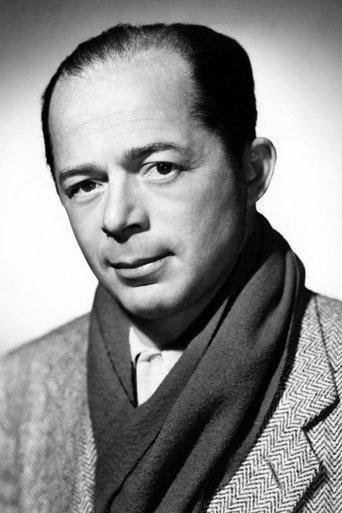
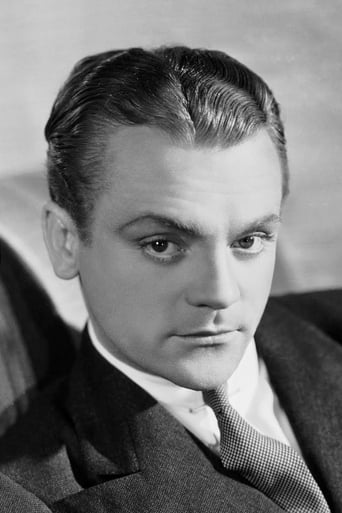
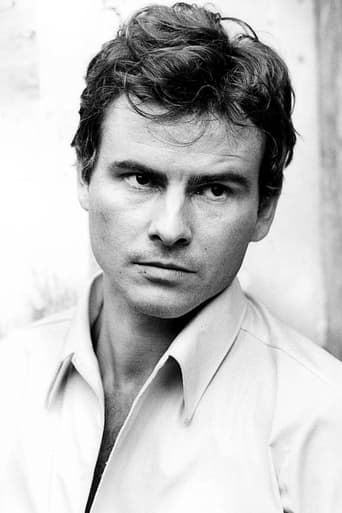


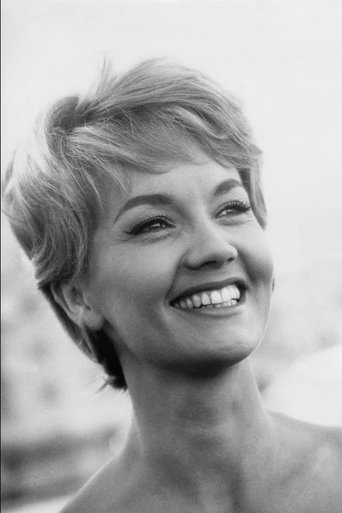

I know we’re supposed to think the communist is laughable but he’s hot, well read, and hates America, so
Μετά τις συνεχόμενες επιτυχίες των «Μερικοί το Προτιμούν Καυτό» και «Γκαρσονιέρα», ο Wilder συνέχισε ακατάπαυστα και το 1961 έγραψε και σκηνοθέτησε το “One, Two, Three”. Πρωταγωνιστής ο James Cagney στον προτελευταίο ρόλο της καριέρας του. Πάντως για τον Wilder δεν ήταν και δύσκολο το όλο θέμα, βάζοντας τον Cagney πρόεδρο της Κόκα Κόλα στο Δυτ. Βερολίνο. Η εταιρεία που εκπροσωπεί τον αμερικάνικο ιμπεριαλισμό δίπλα από το τείχος που χωρίζει το Βερολίνο στα δύο, ο Ψυχρός πόλεμος σε έξαρση, τα γερμανικά τραύματα του πρόσφατου παρελθόντος είναι τα στοιχεία στο φόντο και η βάση της ανήλεης σάτιρας. Οι ατάκες της ταινίας πέφτουν σαν πολυβόλο. Ίσως αποτελεί μία από τις πιο... ατακατζίδικες(!) κωμικές ταινίες.Η άνεση με την οποία σατιρίζει κομουνισμό και καπιταλισμό δεν θα τη βρείτε εύκολα ακόμα και σήμερα. Να πούμε ότι βασίστηκε σε ένα μονόπρακτο του Πολωνού Ferenc Molnar και γυρίστηκε εξ ολοκλήρου στη Γερμανία.
Η «Ένας, Δύο, Τρία» παίζεται σε 1 σινεμά στο Λονδίνο - επόμενη προβολή Κυριακή 18 Οκτωβρίου στις 14:00 στο The Nickel Cinema.
Επόμενες προβολές: Κυριακή 18 Οκτωβρίου.
Πλήρες πρόγραμμα
Προβολές για Ένας, Δύο, Τρία, ενημερωμένες κάθε πρωί
Διάλεξε σινεμά και πάρε υπενθύμιση πριν κατέβει.
I know we’re supposed to think the communist is laughable but he’s hot, well read, and hates America, so

One, Two, Three is a Cold War farce directed by Billy Wilder and powered by a manic James Cagney performance. Cagney plays C.R. “Mac” MacNamara, a hard-charging Coca-Cola executive in West Berlin whose carefully laid plans for a European promotion explode when his boss’s daughter shows up and promptly marries a young communist. What follows is a nonstop scramble of bribes, disguises, fake aristocrats, and frantic deal-making as Mac tries to turn the situation around before the boss arrives. Wilder pack the script with machine-gun dialogue and sharp jabs at both capitalist hustle and communist bureaucracy. The pacing never lets up, scenes race by with the energy of a screwball comedy on overdrive. Cagney, in one of his last major roles, is a whirlwind of barked orders and pure comic drive. Shot on location just as the Berlin Wall was going up, the film has an extra layer of topical bite. While the film’s dizzying pace and cynical, caricature-heavy characters can prove exhausting over two hours, One, Two, Three remains a sharp showcase of comic engineering and top-tier farce.This film is included in my list of the 2500+ Best Films.

87/100First: I've seen this film at least twice previously, though the last time was way back in 1997. Loved it then, love it now. Only Kiss Me, Stupid is more underrated in Wilder's oeuvre. (Some folks don't like it when he gets antic.) Next: People often joke that Cagney subsequently took a 20-year hiatus from acting due to sheer exhaustion, but in truth I can't think of any other performance in cinema history that demanded this degree of rote memorization plus rapid-fire delivery. It's genuinely awe-inspiring.Next: I've noted this before, but Wilder deserves more credit as a formalist than he generally gets. Lots of widescreen compositions here that use both width and depth to superb effect. Next: As is often the case with screwball (and One, Two, Three would have to be considered at least screwball-adjacent), the film's dizzying speed is itself comic. Even when Mac is just barking long lists of instructions that aren't particularly funny on their own, it's hard not to laugh at the sheer absurdity of anyone being able to think that quickly on their feet, never pausing for even the briefest instant. Next: There are a lot of genuinely hilarious lines, though, some of which almost take more time to process than the movie allows. "I'll pick you up at 6:30 sharp, because the 7:00 train to Moscow leaves promptly at 8:15." Next: Same goes for one of Scarlett's suitors saying "I appeal to you as a woman" and Mac's wife purring in reply "As a matter of fact you do." In most movies, that character would be a tedious scold; Arlene Francis, who clearly chose the wrong line (in the sense that she should have acted more, spent less time as a game show panelist), plays her as almost perpetually amused, then blisteringly sarcastic when angry. Next: You should be imagining me snapping my fingers on each "next."Next: Was worried that I might now be put off by Fräulein Ingeborg (Mac's hot-cha secretary), but Liselotte Pulver subtly plays against stereotype, creating the impression of a woman who understands the system and how to work it. Neither stupid nor exploited. Just funny.Next: Imagine shooting a movie in which the plot depends upon someone moving freely between East Berlin and West Berlin, only to see the Berlin Wall erected midway through production. Apparently that put a real damper on the film's reception at the time, but it lends an appealing gravity in retrospect—this is a rare Hollywood movie that looks as if it responded to current events practically in real time. (One might assume, incorrectly, that it was inspired by the Wall.)Next: How many Hollywood dramas of this era address geopolitics as bluntly as does this goofy comedy? "Don't tell him those are French cuffs. Not with the Algerian situation the way it is." Next: Otto's over-the-top, burn-it-all-down rhetoric occasionally reminded me of the most toxic Bernie Bros I encounter on Twitter. Next: See also (in relation to both of the previous two items) the ultra-privileged Scarlett incongruously shouting "Africa for the Africans!"Next: Yes, you could perceive the film as a feature-length Coke ad. But it's hard to imagine a product-placement deal today that would permit a line like "Tell him about Coca-Cola colonialism," much less sign off on the final joke showcasing your primary competitor's product. You got all that? Any questions? No? Good!
Στο Δυτικό Βερολίνο της εποχής του Ψυχρού Πολέμου, ένα αμερικανικό στέλεχος της Coca-Cola αναγκάζεται να προσέχει απεγνωσμένα την επαναστάτρια κόρη του αφεντικού του, αφού εκείνη παντρεύεται κρυφά έναν φανατικό κομμουνιστή.
Ο Billy Wilder σκηνοθέτησε την πολιτική κωμωδία του 1961, η οποία είναι γνωστή για τη αιχμηρή σάτιρα και τις κλασικές χολιγουντιανές ταινίες του.