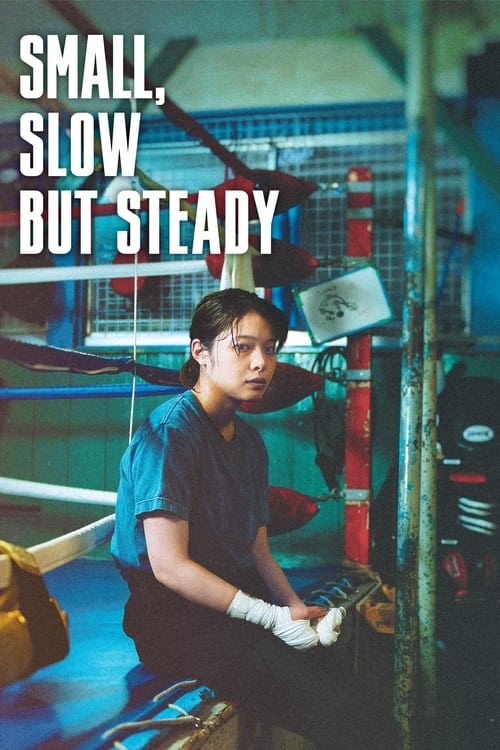
The world Keiko lives in is one of constant deafening noise. In most scenes, trains rattle by, or heavy traffic is flowing in the background. An aural bombardment that juxtaposes her reality of a world without sound. A seemingly quiet place that nothing is able to penetrate or disturb. Yet her inner life is far from serene and silent. Beneath the stoic exterior, a different, grueling hum is present, as the baseline of an internal struggle – constantly questioning past decisions, current circumstances, and expectations of life. Thought patterns that can turn into vicious cycles that reinforce themselves the longer they go on.Boxing practice is her chance of escaping this deadlock – a glimpse of hope. To adopt a strict routine that grounds the everyday and leaves no space for anything else. A few hours a day without thinking. An activity demanding every last bit of attention. A new rhythm for life like the cadence of her daily mit drills – allowing muscle memory to take over and overwrite the racing mind. It's the peace that comes with habitual actions. Letting repetition push her forward: Run ten miles, two sets of shadowboxing, three sets of rope skipping. Rinse and repeat. Until something moves. A small change that doesn't even register. A happy thought. A few minutes without worry. An unconscious smile. Little things that slowly shift the outlook on life. Even if you don't notice it yourself, the people in your life will, and it can mean the world to them.
Sound of Metal meets Million Dollar Baby, but without any emotional power. It's funny how this indie drama was ranked among both the best and worst movies last year by Japanese publications, and it makes perfect sense now.Thematically Small Slow But Steady is obviously significant, since it documents a deaf woman's journey to becoming a pro boxer. It's understated to the core, running almost like a documentary without any visible attempt to elicit tears from the audience. The naturalistic snapshots of Keiko's pretty uneventful life do have their charms, since they peer into the real experiences of being deaf as a young woman in Japan.Having said that, Small Slow But Steady never provides an outlet for the slow-burn story to truly soar. It's good for what it's worth, even though both the story and style leave a lot to be desired. Maybe a more mainstream approach is more suited for the sub-genre.
Os filmes do Sho Miyake são tão adoráveis, apesar de seus personagens passarem por conflitos profundos, existe um certo tipo de tranquilidade e beleza que envolvem a obra, tornando-a bastante comovente e linda de apreciar. Geralmente, os dramas que acontecem de forma mais interna causam impactos de jeitos diferentes, nem sempre são visíveis, mas existem como uma dor silenciosa. É muito triste quando chega um momento da vida que você não se vê mais sendo digno de conquistar algo, à medida que o tempo passa, isso pode se agravar ainda mais, fazendo com que nunca acreditemos em nossa real capacidade, Kaiko apesar de ser surda, passa por esse tipo de conflito, mas tenta seguir firme, mesmo que quase todos à sua volta não conversem com ela usando língua de sinais, a questão se complica ainda mais porque ela deseja lutar boxe de forma profissional, e sua condição se torna uma barreira maior do que ela poderia imaginar. A obra em si não fala apenas sobre como pessoas com deficiências enfrentam mais dificuldades que a maioria, mas também sobre como é difícil ter forças para continuar, Sho Miyake tem seu próprio estilo visual, que, apesar de ser bem cotidiano, possui momentos bastante intimistas, ele consegue alcançar um certo tipo de equilíbrio, nos fazendo imergir nas lutas que também acontecem no dia a dia.“ Não pense que pode ler minha mente ““ Falar não faz uma pessoa ser menos sozinha “