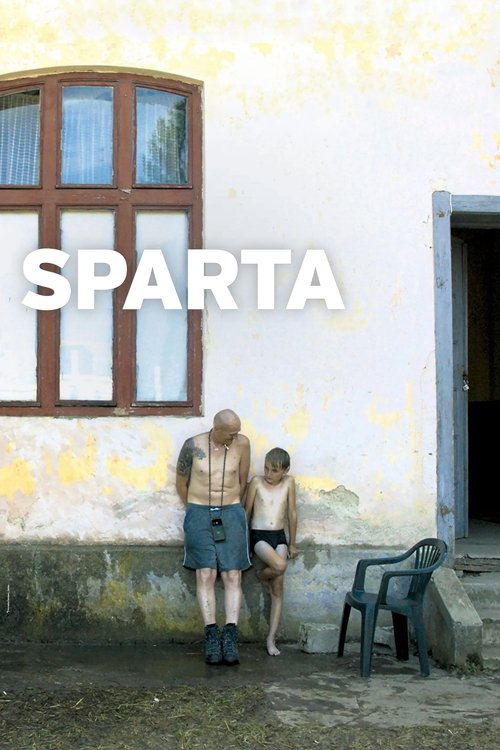
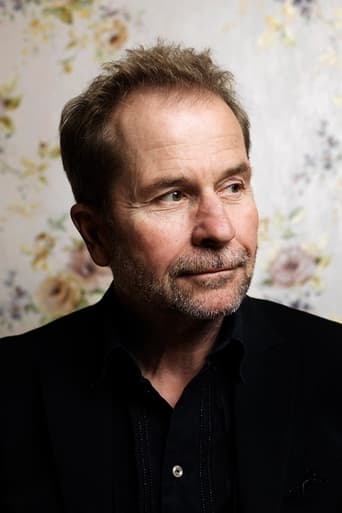



Ulrich Seidl has a problem. a problem with Cancel Culture. Now you gotta be cautious with using this word because according to the left discourse this term is coined by the right-winged opponents. i learned that recently when friends of mine - university activists - explained that to me. they are currently fighting a teacher of ours who spoke out against doing first steps of transitioning already in the pre-teens. they are calling him a fascist because right wing media is using his commentaries for their propaganda purposes, also a fascist publisher is distributing one of his books on their website. i had several classes with this (old white) man and can say: i’m pretty sure he’s equally anti-fascist as my friends and me.Ulrich Seidl now didn’t say anything wrong. he’s accused of creating an abusive atmosphere on the set of Sparta, letting children act under wrong assumptions. the biggest german news outlet came out with those accusations after conducting own research as they claim. following that, Seidl's film was un-invited to the Toronto Film Festival, premiered without him in San Sebastian and finally made it to Hamburg, where he - for the first time in public - took a stand on things. He was about to receive the Douglas Sirk award for his life achievement, but the ceremony was abandoned, his film was shifted from the biggest cinema hall to the smallest venue the festival has to offer. i got one of the last seats in the place.Seidl is touched by the audience reactions after the film. not exactly standing ovations but that would have been not appropriate in the face of the accusations, it seems this must be the major feeling. however it feels like everyone is on the same page in this theatre. Seidl explains his point of view, in the core of his speech sharing the story that in the last 4 weeks he went from family to family who participated in the film to show the finished product in their living rooms, trying to grasp their impressions. they were overall positive he claims. all good, case solved you could think. in the end it’s a matter of how much trust you have into this artist i guess, how much you believe him.Seidl might be a difficult director on set (just so many big names have been/still are, one could argue). he surely made some enemies along all those years. his artworks ain’t easy to digest and he always had the problem that his gaze could be interpreted as sarcastic and cynical instead of gentle and tender. for the second point brought up against him, he explained carefully why the alienation between him and his Romanian objects of desire was happening (covid, long post-production phase, missing communication). as we see though, there’s a lot of reasons why accusations against him could be conducted or constructed in the first place, apart from the actual case made against him here.Sparta now is a really gentle and tender - and not at all cynical, which makes this entry out of all of Seidl's oeuvre you could attack the oddest choice - view on the problem of pedophelia. there’s literally not much more to say then whispering a „Bravo!“ into the air after the screening. you can sense the deep research invested in the piece. Georg Friedrich is stellar. the ambivalence of his character is uneasiness inducing, gut-wrenching, heartbreaking - a scenario only great films are able to create. to combine this with neoliberal realities, also not shying away from criticising whole mentalities, and finally creating the specifically historical backdrop of german/austrian moulding - as done in the brother film Rimini - is an huge surplus of course.so why does this attack on Seidl happens in this very moment, with this very film - one that, as outlined, is kind of the worst example for the critique on his style of filmmaking? my answer would be this: society is still not ready to handle the taboo theme of pedophilia. in times where moral judgements are cheaper to get than a bubble gum at the petrol station, such a dark, ambivalent, distress causing topic is not able to be delivered in such a complex way for a mainstream (arthouse) audience. child abuse has to be called out and is - so to say - „not negotiable“. period. don’t bother with background analysis, historic accuracy or psychological explanations.a campaign that was insinuating that „children were harmed“ during production makes up exactly this type of propagandistic image, where the theme of the movie blurs into the movie itself. was this maybe even shot by defenders of pedophilia? this is what gets transported on a superficial level of the discussion, and the fact that the initiators of the trouble have most likely no problem with this image says it all. what remains is an hypocritical act of double standards and pre-judgement that is unparalleled - one that hurt a great filmmaker as much a the general trust in good journalism. needless to point out how much damage has been done, making Sparta - involuntarily, through the handling of it - a remarkable landmark of recent tendencies of our times.