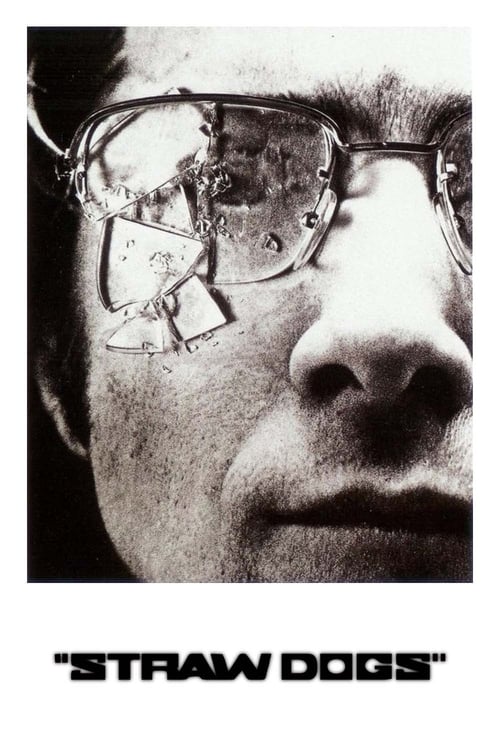
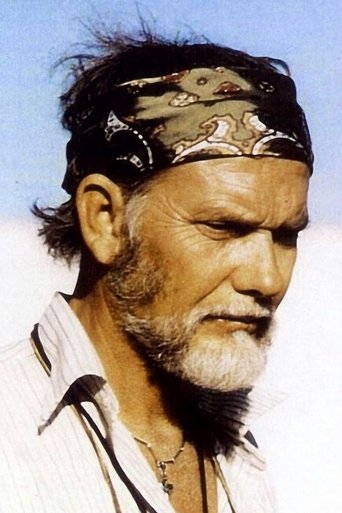
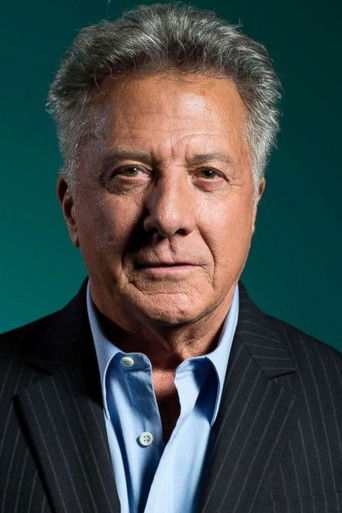

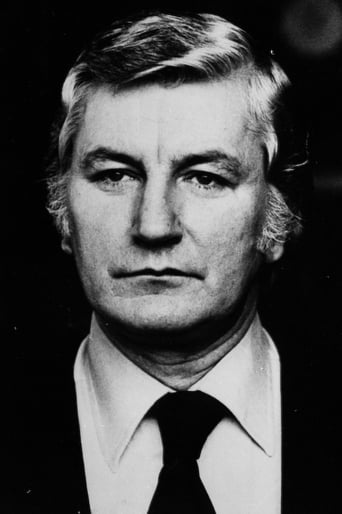
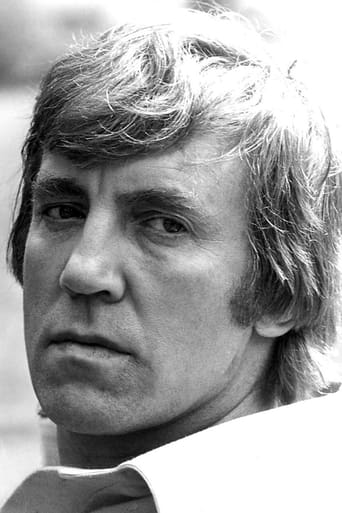

"I rise up against all those that hide or ignore the social and moral aspects of violence. It's part of our existence; it's within us. I recognize that I am a violent man. I believe that human being must try, at any price, to recognize and track down the violence brewing within him. This is also one of the artist's roles. The most dangerous people in our society and any society are those who ignore their inner potential for violence."— Sam PeckinpahArguably one of the most troubling exploitation powder kegs to ever achieve some form of artistic canonization, Straw Dogs was an admitted for-hire gig for Sam Peckinpah where he took what he viewed as a “rotten” novel with a solid siege action-thriller climax and violently bent it to his own will. Generating an equally engrossing and stomach-churning portrait of meek and cowardly American intellectual/pacifist who flees his home country to his wife’s isolated, rural British village and is instead forced to reckon with living in even closer, claustrophobic proximity to a patriarchal society dominated by male hostility and locate the violence within himself in order defend his wife and home. At the time this was interpreted (not unfairly) as a broadly reactionary/fascist sentiment, a suggestion that masculine redemption is only achieved through righteously brutal subjugation, though the idea of it being labeled a “fantasy” seemed a little far-fetched. Peckinpah always took a lot of shit for how he went about aestheticizing violence, which in his opinion was often too glossy and digestible, and by exaggerating, stylizing it, slowing it down and showing it all in gross nose-rubbing close-up made us feel the impact and severity of it. The contradiction of that being that his action setpieces (especially in his westerns) were often beautifully staged and photographed, and cathartically visceral releases of entertaining spectacle, and yet also disgusting and punishing and difficult to watch at times. For some that’s just pure hypocrisy, for others (including me) that’s a fascinating and suitable approach to expressively realizing the idea of a character being awoken to the violent animal within them, whether or not you think the film thinks that awakening is a “good” or “bad” thing. I get that the film on some level stacks the sympathetic cards in favor of the dorky American blasting evil British rapists with a shotgun, but personally the lingering on all the corpses and carnage and the bitter irony of how dark, lonely and contemplatively quiet that ending is leans firmly in the latter.Where things get undeniably ickier is how all that disturbing, territorial western action-thriller violence interacts with domestic drama/gendered commentary. In what starts out as a very 70s view of a troubled marriage between a boring grown-up academic and his much younger, sexually liberated wife; her childishly dissatisfied with him choosing to work all the time in her father’s stone cabin farmhouse instead of spending time with her, him jealous of all the leering attention she’s receiving from the local working-class hicks she grew up with. The two of them even having some very old-school gender role/rape culture type of arguments about this, him arguing maybe she should wear a bra, her hitting back with the fact that if he were more of a man and could hammer a nail they wouldn’t even be on their property at all. Leading to a fermenting air of resentment and primitive sexuality/violence that climaxes on what can only be described as one of the most (at best) problematically ambiguous or (at worst) legitimately misogynistic depictions of rape that has ever been put on screen. Susan George I think does her best to find the complex shades in what she’s being asked to sell in her performance, but what that includes is on some level accepting, enjoying and maybe even desiring her own brutalization and destruction. It’s an incredibly uncomfortable sequence to watch, in some ways entirely deliberately (the camera lingering on the violating physicality of the act and briefly cutting away to the husband’s aimless and ironic attempts at catching prey of his own, only to cut right back), in others... maybe a little revealing of how Peckinpah consciously or unconsciously thinks about women.Regardless, it’s hard to argue against the fact that this is one of the more effectively and miserably bleak portrayals of manhood as beastly and cruel and driven by ownership of property (and women?), that Dustin Hoffman is incredible in the role of mild-mannered coward turned sweaty animalistic murderer, and that the final siege sequence itself is anything but one of Peckinpah’s finest and most influential setpieces. All the foggy dutch angle exteriors of the house, the rapid cutting of banging and shattering as the mob of locals try to force their way in, and the pure controlled hysteria of sweat, dirt and slow-motion bodily harm as he starts to gruesomely firepoke, shotgun and bear trap them to death. I do think there’s some completely valid interpretations that have led to the controversial reputation this has, but I think even if we were to assume the worst with what Peckinpah is saying here and how much of it he personally believes, it’s still important to reckon with art like this and acknowledge that it means something for those beliefs to be conveyed with intentionally sickening, angry (maybe even a little guilt-ridden) ugliness. Full discussion on ep 390 of my podcast SLEAZOIDS.