
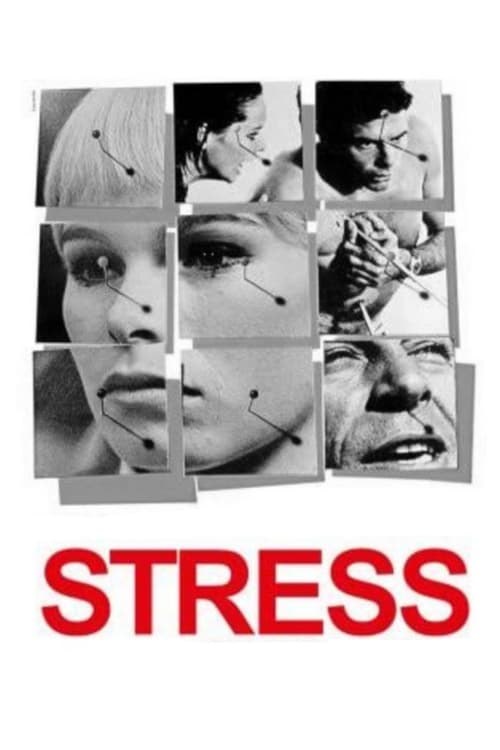
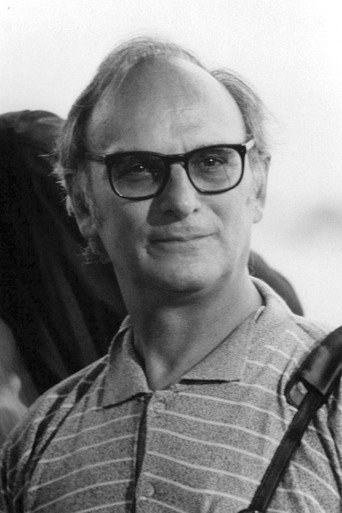




Although Spanish director Carlos Saura was an exact contemporary of other New Wave filmmakers (he was just a month older than François Truffaut), his best films seem to be in conversation with older directors, such as Ingmar Bergman, the Italian Neorealists, and of course his unofficial mentor Luis Buñuel. The films he made in the manner of his New Wave peers — and Stress-Es Tres-Tres is by far the most New Wave of his films I’ve seen to date — paradoxically come across as more derivative. The “road trip” narrative, the use of pop music on the soundtrack, the trendy but psychologically troubled characters, even the bilingual pun in the title — all have been treated to better effect by other filmmakers. What Saura is doing here isn’t bad by any means; it’s just not what inspired his best work.Wealthy businessman Fernando Cebrián, his wife Geraldine Chaplin, and their friend Juan Luis Galiardo are driving from Madrid to a coastal property Cebrián wants to develop and hopes Galiardo will oversee. Along the way, they stop several times: to help out at an accident, to visit Cebrián’s aunt (Porfiria Sanchíz), and to swim and fish. Instead of enjoying their time together, however, the trip brings to the surface festering resentments among all three. Despite his professional success, Cebrián isn’t happy, and he envies the unmarried Galiardo’s freedom. His grumpiness and growing suspicion of Chaplin’s feelings for Galiardo are annoying Chaplin. For his part, Galiardo may not be quite as happy-go-lucky as he seems. If Chaplin wants to use him to make Cebrián jealous, he wants something out of it, too.Saura initiated this project in order to play around with free-form techniques of filmmaking then in vogue. Apparently, his goal was to juxtapose the modernization many young Spanish men like Cebrián were ostensibly embracing against the socially conservative values they still held. The results are interesting but not as compelling as Saura’s treatment of the same tensions elsewhere, such as in Peppermint Frappé. Cebrián is ultimately just kind of an @sshole, which may have spoken more directly to the lived experiences of married couples negotiating the transition to consumer capitalism in Spain but which doesn’t offer much insight or drama beyond that.Spoilers in this final paragraph: The most notable exception is the climax, where Cebrián fantasizes about killing Galiardo with a speargun. As a protégé of Buñuel, Saura certainly knew his Freud. When Cebrián imagines shooting Galiardo, memories of an image of Saint Sebastian alternate with two different fantasies of killing Galiardo. Are Cebrián‘s fantasies a safety valve for his jealousy, or is this a moment where Cebrián‘s own repressions irrupt into his consciousness? (Images of Saint Sebastian pierced by arrows have a long history of usage within the LGBTQ community.) The unsettling lack of resolution at the end — has Cebrián processed and let go of his anger and anxiety, or has he simply repressed their sources even further? — is the best part of the film.









