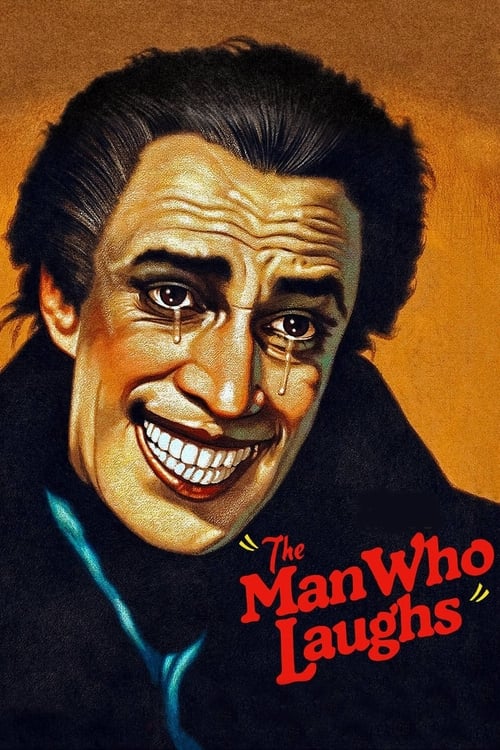
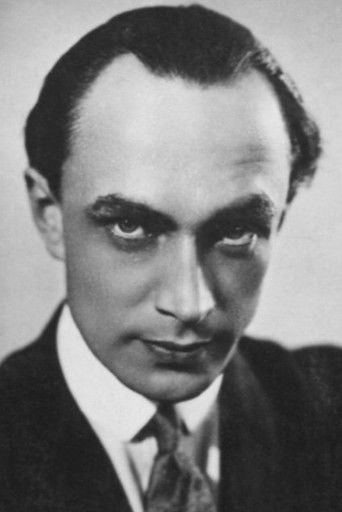



Some have called this a horror movie, but to me, this film was nothing more than brutally sad. It is the story of a man altered cruelly as a child such that the society he is in will only accept him as a sideshow attraction. He makes a living there. He has a good heart, even as a child (he rescues a baby from the arms of her dead, frozen mother). He is a decent man, despite being tormented by his disfigurement.Conrad Veidt plays this man with a skill only the old silent stars had. Using only his eyes (as his mouth is stretched into a hideous grin), he conveys every emotion modern actors can't even get across with their full bodies and voices. And that's really the key to how great the silent era films could be: its limitations forced the directors and performers and whatnot to use their imaginations, to find inventive ways, to do whatever they could to create the stories they wanted to tell. There are so many accolades these days for computer graphics and the wonders they bring us, but I will take the cheeziest of old school effects any day. Even without flashy effects, though, just seeing this film's depiction of the man who laughs was enough to choke me up a bit.