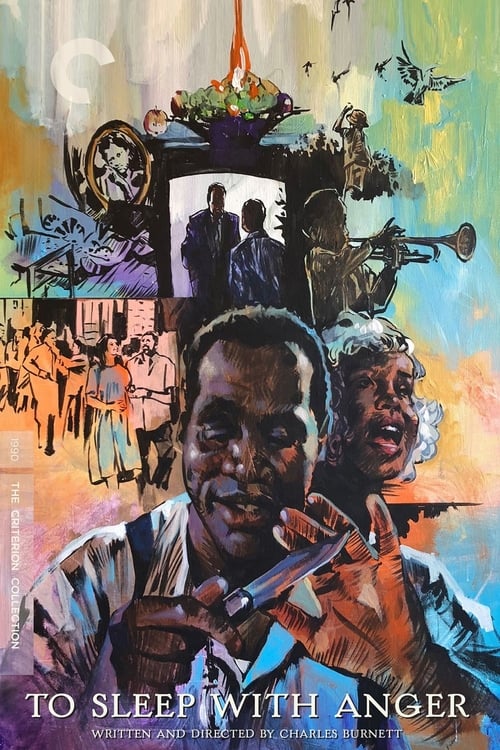


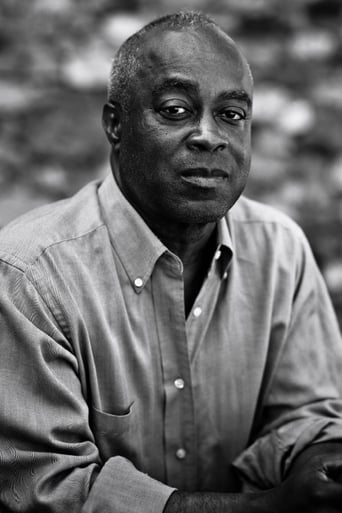
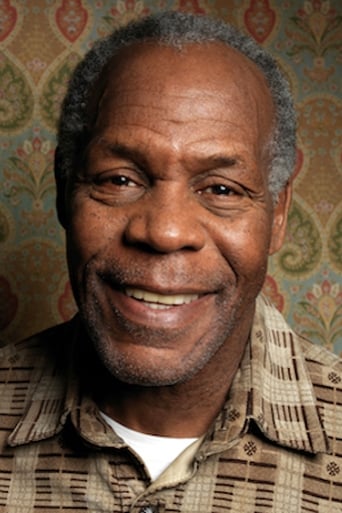



man, this movie rules. it's bizarre to me how underseen this one is outside of movie geeks, and even, among them, totally underrated. not that this state of affairs is totally inexplicable. "magical realist dark comedy about the great migration" is a sort of tough sell, even if directed by charles burnett, who, in my opinion is one of the country's greatest living filmmakers. it's also probably the case that burnett is unlucky enough to be a visionary who was ahead of his time; it's not too hard imagine a movie like To Sleep With Anger becoming more of a critical hit and popular success if it were released in 2019. thank god for criterion -- a restored version was definitely needed, and hopefully their release will get this movie the attention it deserves.a few more notes:-- I love the tense slow boil of this movie, the way the threat of violence and chaos feels like it's roiling beneath the surface. much of that is owed to, or at least, requires, danny glover's subtle, bravura performance as harry mention -- a seemingly genial southern gentleman who is actually a menacing, luciferian manipulator and instigator. he's like a character out of a flannery o'connor story (if she wrote black characters as interesting as this) or a coen brothers movie (ditto). (no shade, I love all three of them). -- magical realism might not be exactly the right word, perhaps a better one would be "spiritual realism" a term which I made up right now, which I'm not going to look up to see if it has a different meaning, and which I think describes (again) the sensibilities of both o'connor, the coens, and this movie. burnett's version is as equally steeped in voodoo as it is in in christianity. -- like I said, the movie takes as one of its subjects the 20th century migration of black americans out of the south to the west and to the north, particularly urban centers like chicago and (like the clan in the story) los angeles. one of the central tensions in the story is between the older generation of who made the trek, the middle generation who remembers it, and the assimilated younger generation. this is a classic theme of the immigrant narrative, but I personally haven't seen it often at all in movies made about black americans. burnett's treatment of this tension is even-handed and nuanced.-- I'm not sure how I feel about the ending, and I can't say much more about that without spoiling it, though I love the closing shot.