Mood
Ρώτα το Mood

Σκηνοθεσία Mikio Naruse

Οι Πλανόδιοι Ηθοποιοί

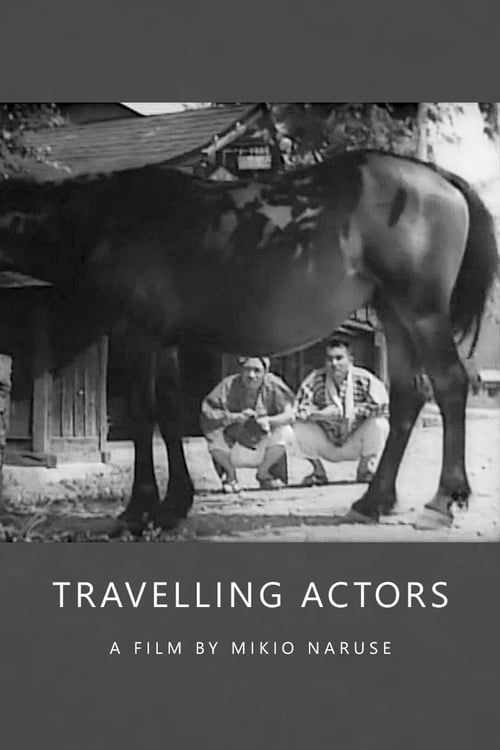
Travelling Actors

Αργή κωμωδία

Η ταινία απεικονίζει έναν θίασο πλανόδιων ηθοποιών καμπούκι που ταξιδεύει στην ύπαιθρο της Ιαπωνίας, αντιμετωπίζοντας κωμικές και υπαρξιακές συγκρούσεις όταν η τέχνη τους απειλείται.

Letterboxd

Πού παίζεται

1

Η «Οι Πλανόδιοι Ηθοποιοί» παίζεται σε 1 σινεμά στην πόλη Λος Άντζελες — επόμενη προβολή Σάββατο 25 Ιουλίου στις 13:00 στο Los Feliz 3 Theatre.

Σάββατο, 25 Ιουλίου

Χειμερινό

Ώρες προβολών για την Οι Πλανόδιοι Ηθοποιοί

Οι Πλανόδιοι Ηθοποιοί

Find more films like Οι Πλανόδιοι Ηθοποιοί

Showtimes in your city.

Download on the App StoreGet it on Google Play

Συντελεστές

6

Κριτικές θεατών

comrade_yui5.0

the pride of two professionals in a repudiated profession. it is an underreated text to help us understand naruse's dramaturgy -- each half of the horse costume is like the classical cinema, where separate components combine to give the impression of nature's unobtrusive unity. if the result is not perfect, it can nevertheless be animated by the spirit of strong conviction and practiced talent -- the greatness of this comedy is the uncanny gap that all performances must cross, which is helped by our willingness to participate in the creation of a world that is briefly elided by the camera -- in the suspended guise of acting, a true essence emerges which requires fakery to express its inner nobility.

Avirup

So so good. A gem of a character study which seems simple the first time but its layers become clear when you observe it more closely, a Naruse trait to present something that deceptively simple like this which has more than what it initially seems like. The way Naruse observes the pantomime actor sort of living in their own fantasy world, thinking he's indispensable, overestimating their value to the troupe and their art but the fantasy naturally comes crashing down quickly in the real world; obviously the way everything plays out in light, funny manner but underneath the lightness, it's such a sad film. Also there's a touch of Fordian grace with its unhurried rhythms, observations of mundane moments and most of the gags . The ending both funny and brilliant, man finally becomes a horse and the horse is free.

Arsaib Gilbert4.0

[Favorites of 1940s]At a key moment in Travelling Actors (Tabi yakusha), when a drinking session leads the great character actor Fujiwara Kamatari to lament how the audience has failed to appreciate his contributions to the kabuki play he's part of—as the front end of a pantomime horse, and so dedicated to his art that he's developed equine characteristics—he might as well have been referring to how supporting actors are generally received in his actual profession. After all, while they remain an invaluable part of movie history, the careers of such performers are known to begin and end without any fanfare. Not unlike John Ford, Naruse Mikio had a tendency to cast less distinguished members of his stock company in leading roles, and Fujiwara gets a rare opportunity to shine in this geidomono or "traditional arts" project, at the time a refuge of sorts for filmmakers who wanted to avoid making 'national policy' films (Mizoguchi also made a few of these during this period). But this ostensibly benign and playful effort still managed to draw the ire of the authorities and was severely cut as a result. It's possible that the motif of the horse's "act" ended up inviting an objectionable allegorical reading or two, though the relatively muted moment in which the actors watch a draftee heading off to war managed to survive. Largely shot on location—for someone who’s said to have preferred the studio, it is remarkable how many Naruse films are shot as such—Travelling Actors still remained one of Naruse’s favorites and happens to be among his better films of the forties.

Συχνές ερωτήσεις
What is Travelling Actors about?+

The film follows a group of wandering kabuki performers who face personal and professional crises when a real horse threatens to replace the two actors who portray the pantomime horse in their routine.

Who directed Travelling Actors?+

Travelling Actors (1940) was directed by Mikio Naruse, a preeminent Japanese filmmaker known for his focus on the struggles of the working class and the quiet melancholia of ordinary life.

    We use cookies to personalize your experience and analyze traffic. You can opt out at any time.