


Just a moment...Enable JavaScript and cookies to continue
Χρησιμοποιούμε cookies για να προσαρμόζουμε την εμπειρία σου και να μετράμε την επισκεψιμότητα. Μπορείς να εξαιρεθείς όποτε θέλεις.
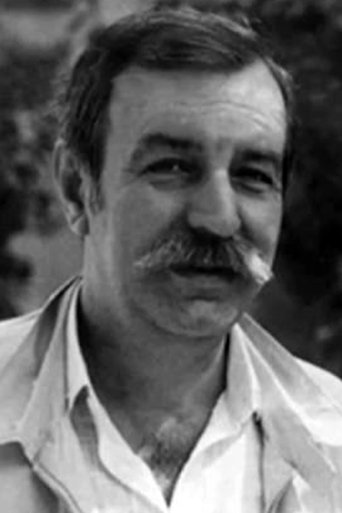
Σκηνοθεσία Dušan Makavejev
WR: Mysteries of the Organism
Θρυλικό, τραχύ δράμα
Το σουρεαλιστικό αυτό κράμα ντοκιμαντέρ-μυθοπλασίας ξεκινάει ως σπουδή στη ζωή και το έργο του αμφιλεγόμενου στοχαστή και ψυχολόγου Βίλχελμ Ράιχ, για να εξελιχθεί στη συνέχεια σε μια αυτοσχέδια εξιστόρηση της σεξουαλικής απελευθέρωσης μιας νεαρής Σλάβας καλλονής. Συνδυάζοντας πολιτική και σεξουαλικότητα, η ταινία του Μακαβέγιεφ, η οποία απαγορεύτηκε στην πατρίδα του, είναι παιχνιδιάρικη και ταυτόχρονα τολμηρή· αναμφίβολα, ένα art-house διαμάντι.
Δεν υπάρχουν προβολές της «Τα Μυστήρια του Οργανισμού» στο Λος Άντζελες σήμερα.

Προβολές για Τα Μυστήρια του Οργανισμού, ενημερωμένες κάθε πρωί
Διάλεξε σινεμά και πάρε υπενθύμιση πριν κατέβει.


Just a moment...Enable JavaScript and cookies to continue

This is one of the most wonderful films I've ever seen. It has all of the elements I like to see in cinema; experimental editing, unique imagery, challenging themes, and sex. I love seeing movies that present sexual acts in artistic ways, and Makavejev is one of the best directors for this (Sweet Movie is another film I absolutely adore, although it doesn't reach the heights of perfection that Makavejev does with this film). The film not only contains a lot of beautiful and artistic sexual scenarios, the movie also has a fantastic sense of humour. I loved the montage editing between Stalin propaganda and a mental institution, which really emphasized Makavejev's hatred towards Stalin and communism. The film is very Marxist (or even anarchist) in the ideological themes it portrays, and several scenes even have the characters getting didactic, calling out for sexual and social revolution. The film is both beautiful and political, and I can't help but wish that more films today attempted to challenge their audience in the way that Makavejev's do. They just don't make them like this one anymore.

"Comrade lovers, for your health's sake, fuck freely!"Women Film Editors #149: Ivanka VukasovićConsider: sexual expression as liberation from state oppression. Denial of pleasure only leads to the promotion of fascism - you know it, I know it, Wilhelm Reich knew it!Three movies in and I definitely feel that I'm on Dušan Makavejev's creative wavelength; I get his sense of satire, the impetus to connect sexual and sociopolitical ideologies in examinations of radical thought, the affinity for mixing documentary realism with surreal, experimental touches. (I'd give the edge to Love Affair and The Coca-Cola Kid as stories I'm more likely to revisit, though.) He ambitiously weaves together numerous strands:- reevaluations of Reich's sexological studies, the invention of the supposed "orgone energy accumulator" (which inspired the technology seen in the films Barbarella and Sleeper), the burning of thousands of Reich's books in a hideous act of American censorship and his eventual imprisonment;- footage of Alexander Lowen's patients demonstrating "bioenergetics" exercises (I'm slightly suspicious of how much that sounds like a cult, but the fact that he titled his 2004 autobiography Honoring the Body is a delight);- scenes of Jackie Curtis walking through Times Square and reminiscing about her sexual experiences (she holds up a photo of Gary Cooper as her ideal man);- Tuli Kupferberg wandering through NYC in a soldier's uniform as his confrontational music and performance art play on the soundtrack;- "plaster caster" artist Nancy Godfrey applying her skills to Screw magazine co-founder Jim Buckley's erection;- Stalinist propaganda in Soviet film clips circa the 40s;- and, most memorably, the fictional narrative concerning free love practiced by a group of young Yugoslavian and Russian people (Milena Dravic, Ivica Vidovic, Jagoda Kaloper, Zoran Radmilovic, Miodrag Andrić), who debate Communist philosophies and ultimately reach a grim conclusion that mirrors Reich's own treatment by the US authorities.The combination of all components by Makavejev and Vukasović remains admirable in its daring, work as thought-provoking now as it was half a century ago. Maybe the farcical Belgrade segments could have benefited from more focus on Reich's concept of orgastic potency and a contemplation of satisfying quality alongside sheer quantity of events (Reich estimated that every person has approximately 4,000 orgasms in a lifetime; it's worth mentioning that he specifically researched heterosexual sexuality and I also wouldn't exactly call it good science to follow his line of thinking that asexual folks or those who otherwise don't engage in sexual activity for whatever reasons are necessarily neurotic), but it still seems hard to argue too much against any film that posits the joys of sex as both a powerful act of rebellion and a tool for revolution. Orgasmic commitment: a true government-toppler!Note: I haven't had a better laugh in my viewing habits this week than during the brief Criterion interview with Makavejev discussing British TV censorship of WR, which compelled him to use "digital intervention" to cover up sexually explicit material. That large goldfish doesn't hide a thing, but watching it swim across the screen sure is fun."Restore to every individual the right to love! Freedom for the individual is freedom for all!"Women Film Editors: A Journey
Πρόκειται για έναν σουρεαλιστικό συνδυασμό ντοκιμαντέρ και αφηγηματικής μυθοπλασίας που εξετάζει τις θεωρίες του ψυχολόγου Wilhelm Reich σχετικά με τη σεξουαλική απελευθέρωση και τη σχέση της με την κομμουνιστική πολιτική στη Γιουγκοσλαβία του 1971.
Σκηνοθετήθηκε από τον Σέρβο κινηματογραφιστή Dušan Makavejev το 1971, ο οποίος είναι γνωστός για τον ριζοσπαστικό και προκλητικό κινηματογράφο της αντικουλτούρας.
Ναι, κέρδισε το Βραβείο Interfilm και το Βραβείο Luis Buñuel στο Φεστιβάλ Καννών του 1971, καθώς και το βραβείο καλύτερης σκηνοθεσίας στο Διεθνές Φεστιβάλ Κινηματογράφου του Σικάγο.