
Aesop
Writing
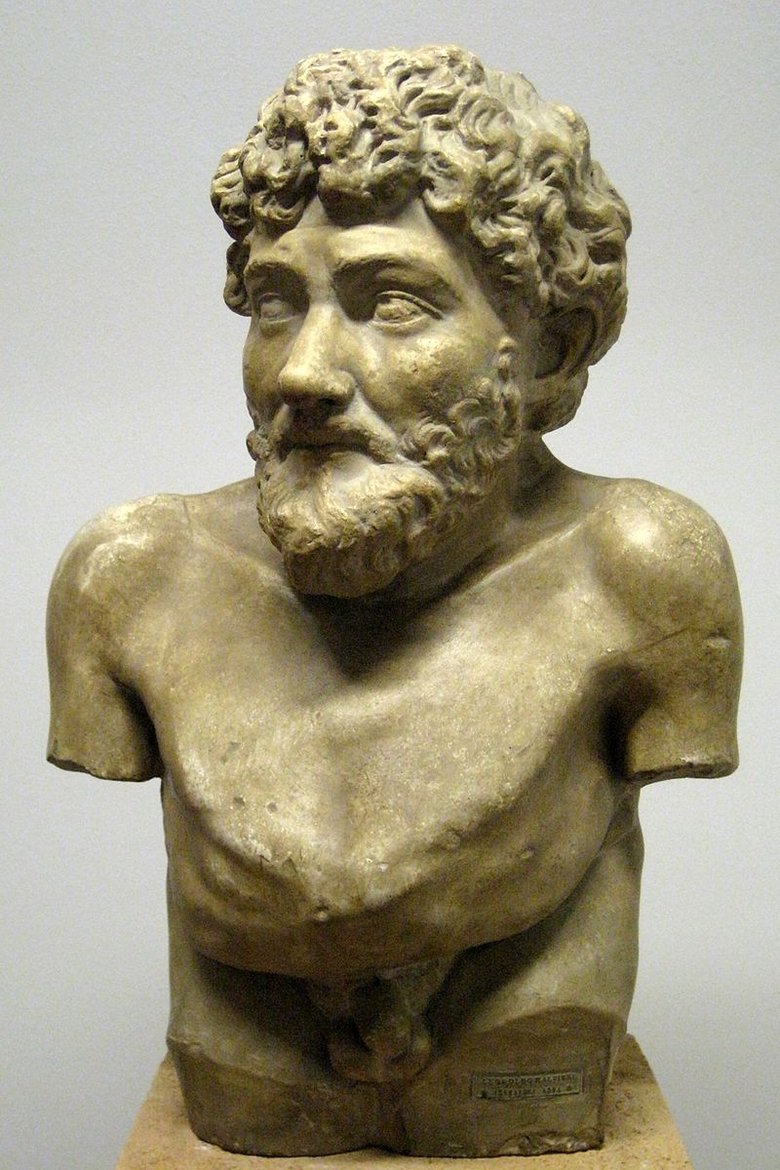
Aesop was an Ancient Greek fabulist or story teller credited with a number of fables now collectively known as Aesop's Fables. Although his existence remains uncertain and (if he ever existed) no writings by him survive, numerous tales credited to him were gathered across the centuries and in many languages in a storytelling tradition that continues to this day. Many of the tales are characterized by animals and inanimate objects that speak, solve problems, and generally have human characteristics. Scattered details of Aesop's life can be found in ancient sources, including Aristotle, Herodotus, and Plutarch. An ancient literary work called The Aesop Romance tells an episodic, probably highly fictional version of his life, including the traditional description of him as a strikingly ugly slave (δοῦλος) who by his cleverness acquires freedom and becomes an adviser to kings and city-states. Older spellings of his name have included Esop(e) and Isope. Depictions of Aesop in popular culture over the last 2500 years have included several works of art and his appearance as a character in numerous books, films, plays, and television programs. 620 BCE - 564 BCE
Παραστάσεις με Aesop που παίζονται τώρα
Στη σκηνή τώρα3
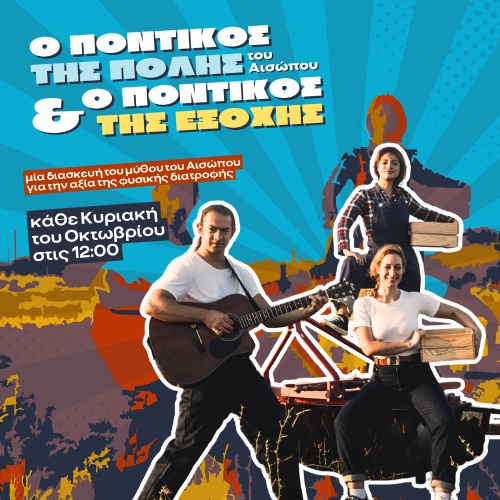


Φιλμογραφία Aesop
Φιλμογραφία20
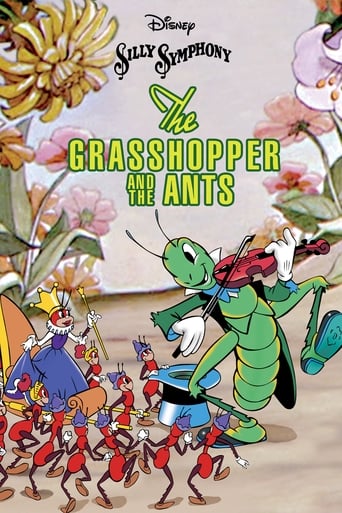




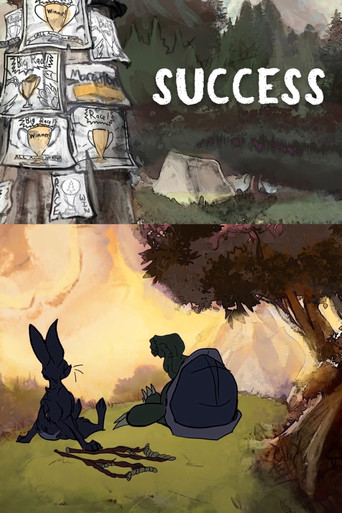

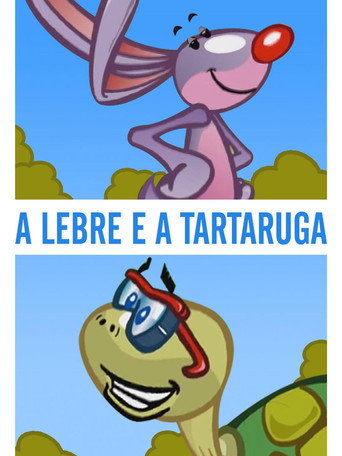





Μάθε πότε βγαίνει η επόμενη ταινία: Aesop
Κάνε follow και θα σου πούμε μόλις φτάσει στα σινεμά.


Συχνές ερωτήσεις
Ποιος είναι ο Αίσωπος;+
Ο Αίσωπος ήταν αρχαίος Έλληνας μυθοποιός και αφηγητής στον οποίο αποδίδεται η δημιουργία της παράδοσης των ηθικών μύθων με ανθρωπόμορφα ζώα.
Για τι είναι γνωστός ο Αίσωπος;+
Ο Αίσωπος είναι γνωστός για τη δημιουργία θεμελιωδών ιστοριών όπως Η Χελώνα και ο Λαγός και Ο Ψεύτης Βοσκός, οι οποίες έχουν εμπνεύσει πολυάριθμες κινηματογραφικές και θεατρικές διασκευές.
Τι είδους έργο δημιουργεί ο Αίσωπος;+
Η κληρονομιά του Αισώπου περιλαμβάνει αλληγορικές μικρές ιστορίες και μύθους που έχουν σχεδιαστεί για να μεταφέρουν σαφή ηθικά διδάγματα μέσω χαρακτήρων ζώων.
Με ποια πολιτιστική παράδοση συνδέεται ο Αίσωπος;+
Ο Αίσωπος έχει τις ρίζες του στην αρχαία ελληνική προφορική αφήγηση και στην κλασική μεσογειακή λαογραφία.