
Aesop
Writing
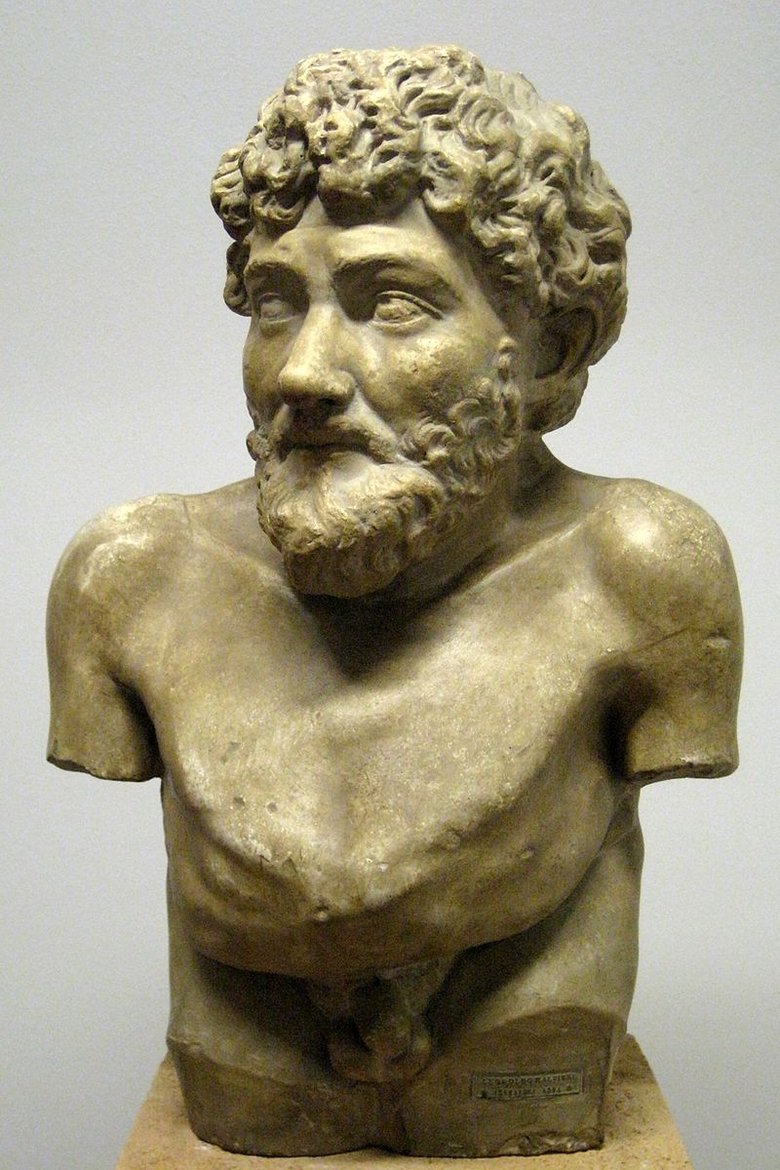
Aesop was an Ancient Greek fabulist or story teller credited with a number of fables now collectively known as Aesop's Fables. Although his existence remains uncertain and (if he ever existed) no writings by him survive, numerous tales credited to him were gathered across the centuries and in many languages in a storytelling tradition that continues to this day. Many of the tales are characterized by animals and inanimate objects that speak, solve problems, and generally have human characteristics. Scattered details of Aesop's life can be found in ancient sources, including Aristotle, Herodotus, and Plutarch. An ancient literary work called The Aesop Romance tells an episodic, probably highly fictional version of his life, including the traditional description of him as a strikingly ugly slave (δοῦλος) who by his cleverness acquires freedom and becomes an adviser to kings and city-states. Older spellings of his name have included Esop(e) and Isope. Depictions of Aesop in popular culture over the last 2500 years have included several works of art and his appearance as a character in numerous books, films, plays, and television programs. 620 BCE - 564 BCE
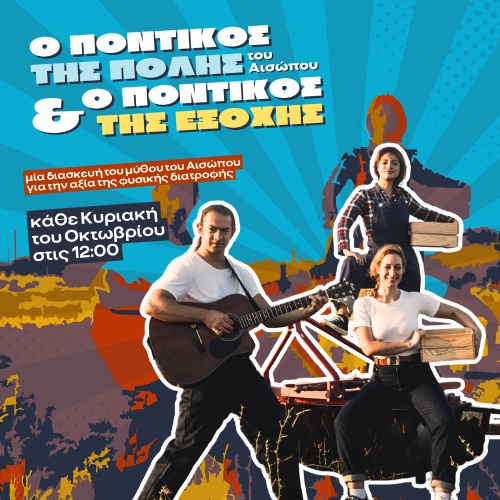
Aesop plays on stage now
On stage now3

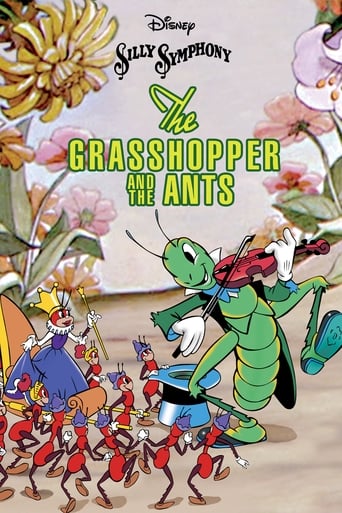
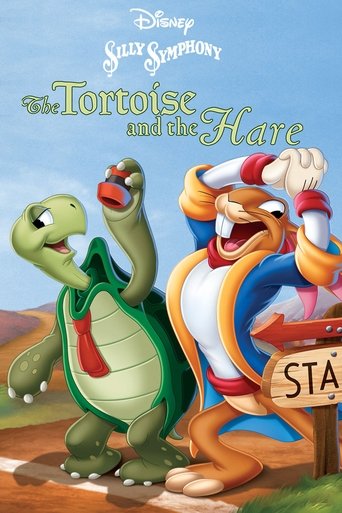
Aesop filmography
Filmography20


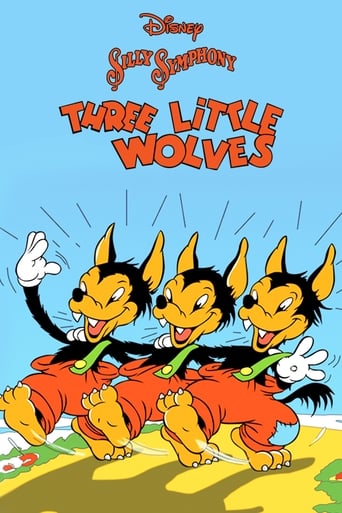
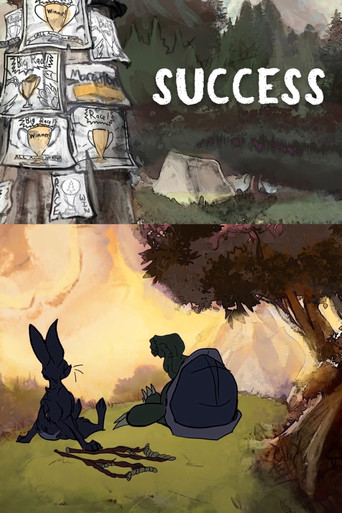
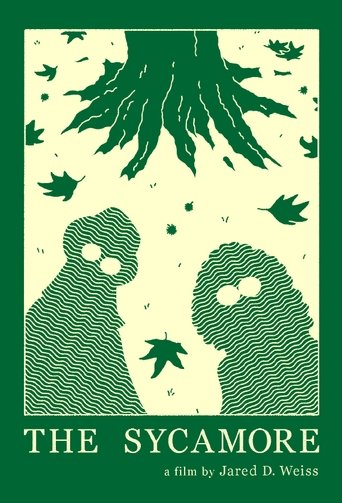
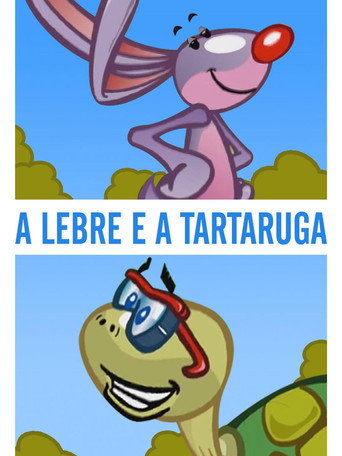
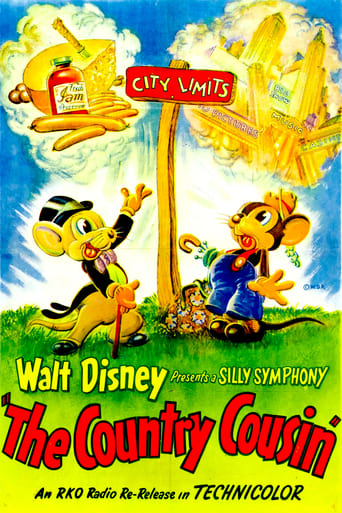
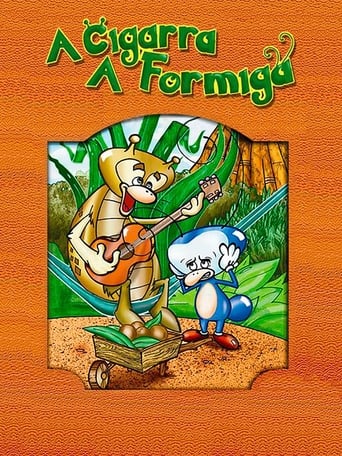
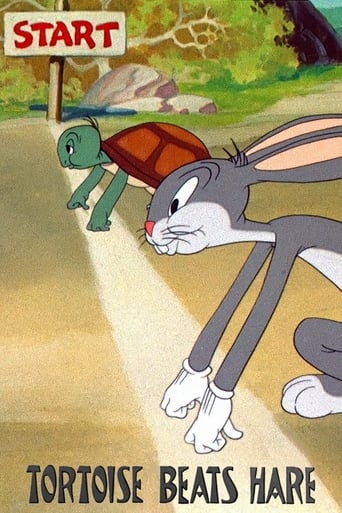
Know the day Aesop's next film opens
Follow once, we'll tell you when it reaches cinemas.


Common questions
Who is Aesop?+
Aesop was an ancient Greek fabulist and storyteller credited with originating the enduring tradition of moral fables featuring anthropomorphic animals.
What is Aesop known for?+
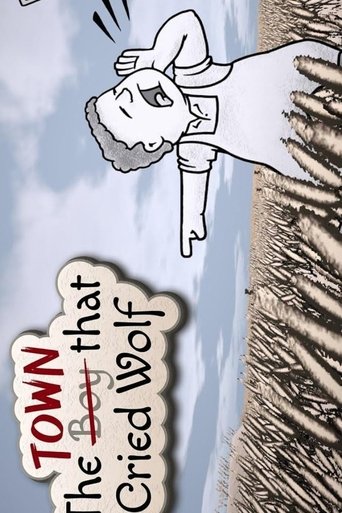
Aesop is known for creating foundational tales such as The Tortoise and the Hare and The Boy Who Cried Wolf, which have inspired numerous cinematic and theatrical adaptations.
What kind of work does Aesop make?+
Aesop's legacy comprises allegorical short stories and fables designed to convey clear moral lessons through animal characters.
Which cultural tradition is Aesop associated with?+
Aesop is rooted in ancient Greek oral storytelling and classical Mediterranean folklore.