Σινεμά
ΕΛ
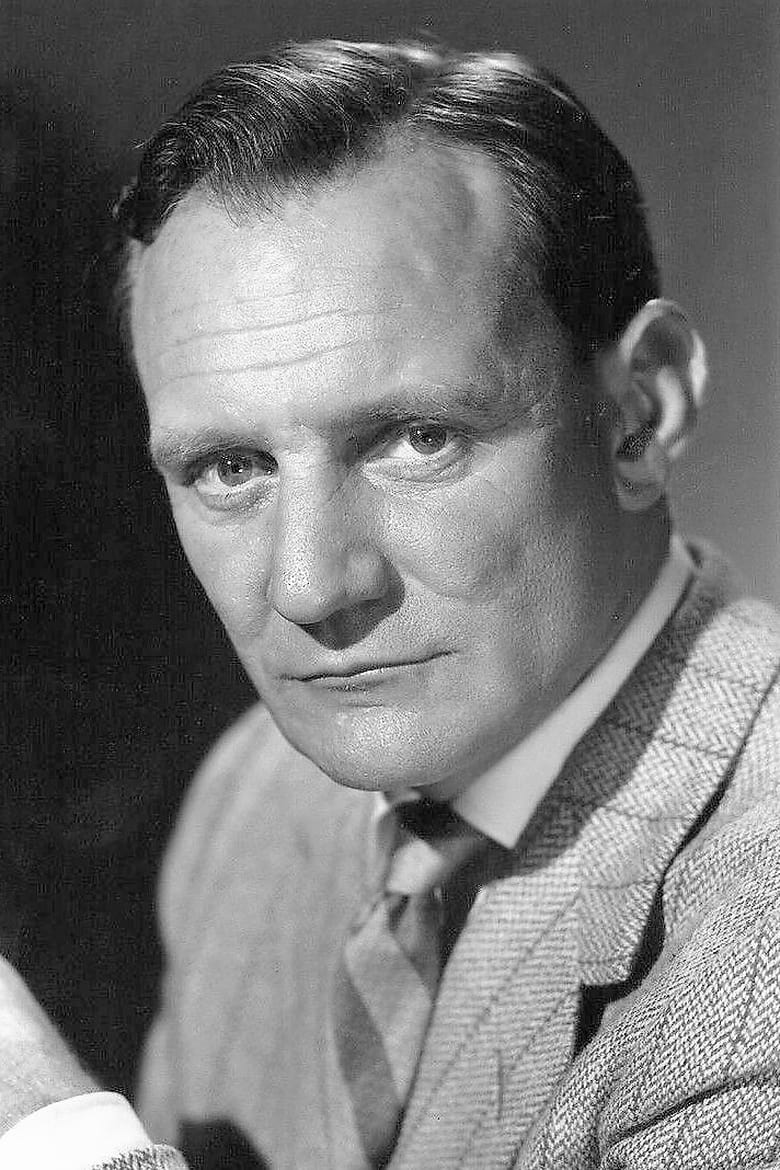
Trevor Howard
Ηθοποιός
Trevor Howard (29 September 1913 – 7 January 1988) was a British actor. He was born in Cliftonville, Kent, England, the son of Mabel Grey (Wallace) and Arthur John Howard. He was educated at Clifton College (to which he left in his will a substantial legacy for a drama scholarship) and at the Royal Academy of Dramatic Art (RADA), acting on the London stage for several years before World War II. His first paid work was in the play Revolt in a Reformatory (1934), before he left RADA in 1935 to take small roles. Although stories of his courageous wartime service in the British Army's Royal Corps of Signals earned him much respect among fellow actors and fans alike, files held in the Public Record Office reveal that he had actually been discharged from the British Army in 1943 for mental instability and having a "psychopathic personality". The story, which surfaced in Terence Pettigrew's biography of the actor, published by Peter Owen in 2001, was initially denied by Howard's widow, actress Helen Cherry. Later, confronted with official records, she told the Daily Telegraph (24 June 2001) that his mother had claimed he was a holder of the Military Cross. She added that Howard had an honourable military record and "had nothing to be ashamed of".
Φιλμογραφία Trevor Howard
Φιλμογραφία101

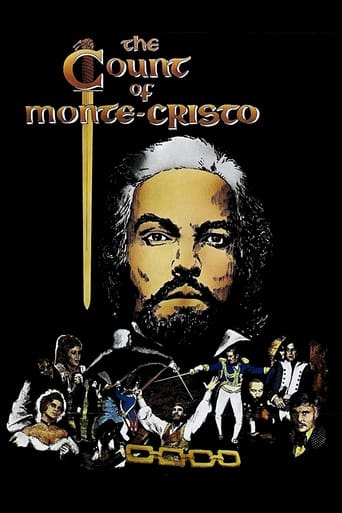
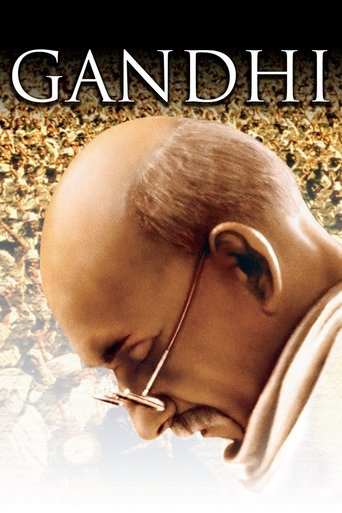
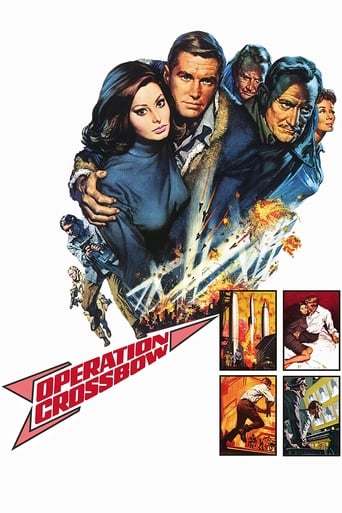
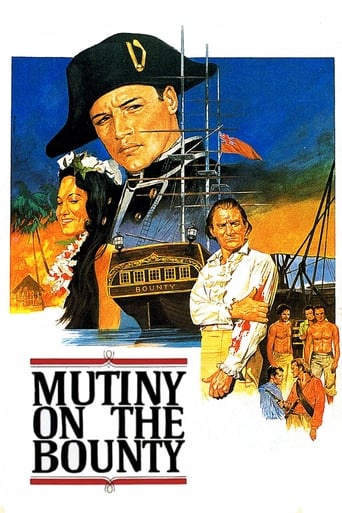







Μάθε πότε βγαίνει η επόμενη ταινία: Trevor Howard
Κάνε follow και θα σου πούμε μόλις φτάσει στα σινεμά.


Συχνές ερωτήσεις
Who is Trevor Howard?+
Trevor Howard was a distinguished British stage and screen actor who worked extensively from the 1940s through the 1980s, gaining prominence for his roles in postwar British cinema.
What is Trevor Howard known for?+
He is widely recognized for his intense, stoic performances in films such as Brief Encounter, The Third Man, Mutiny on the Bounty, and his portrayal of Judge Broomfield in Gandhi.
What kind of work does Trevor Howard make?+
He primarily appeared in British prestige dramas, war films, and historical dramas, often portraying stoic military officers or troubled gentlemen. Explore his full filmography on Mood.