




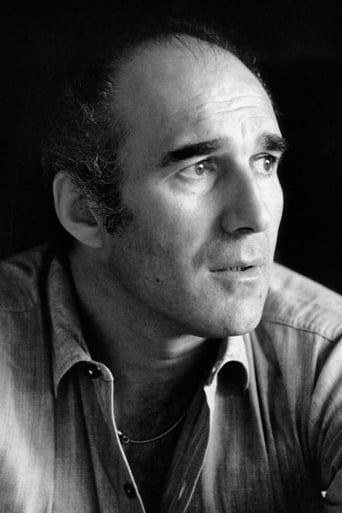
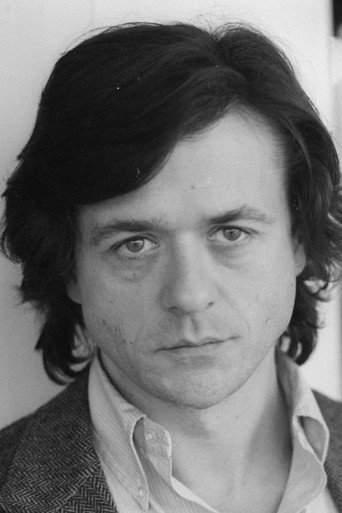

There's a haunting sense of unreality to Youssef Chahine's Adieu Bonaparte. It is a film rooted in an historical event — Napoleon's invasion of Egypt in 1798, and the subsequent uprising in Cairo — full of the thudding of cannon and the violence of battle, and yet it is built around fleeting, tiny moments between men, and the drifting presence of Napoleon (Patrice Chéreau, who gives a widely praised performance), who seems to stand outside of his own time, and somehow aside from events.It is a strange film but an effective one, hypnotically beautiful and jarringly intimate, one which refuses to fully side with or condemn anyone in the sea of sides, agendas, and arguments. With a focus on a one-legged, intellectual French general named Cafarelli (a heartbreakingly great Michel Piccoli), who is on the scientific, esoteric side of the invasion, the film cannot help but show sympathy for his perspective, but he is also deeply flawed, a impulsive, sometimes angry man who loves two Egyptians brothers (Mohamad Atef as the shy, monolingual Yehia, and Mohsen Mohieddin as the bilingual, curious Ali, who becomes very close with the Frenchman) while also repeatedly showing his inability to see their nation as anything more than a mass of mysterious people.The brothers grant Chahine a tool whereby he can explore Egypt's response to the French presence, as a third one (Ahmed Abdelaziz) never wavers in his violent opposition to the invaders, while Ali and Yehia wrestle constantly with their positions, struggling to understand whether they can call an invader a friend, and yet maintain their loyalty to their nation. It is clear there is no right answer to the challenges any of them face, merely the hope of finding a position with which one can live.All of these attachments and anxieties play out in a sun-drenched city and its often dark, cool passageways and homes, with an emotional intensity that sometimes calls to mind another sunbaked French film about a gay military man: Claire Denis' later Beau Travail. I suspect Adieu Bonaparte is a film that requires rewatching to fully understand it but, at least at first contact, there's something hypnotic about its look, disorderly nature, and naked emotions.