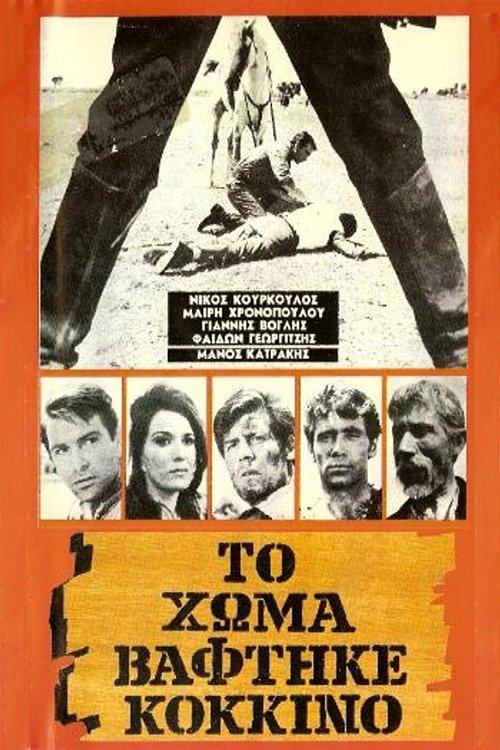


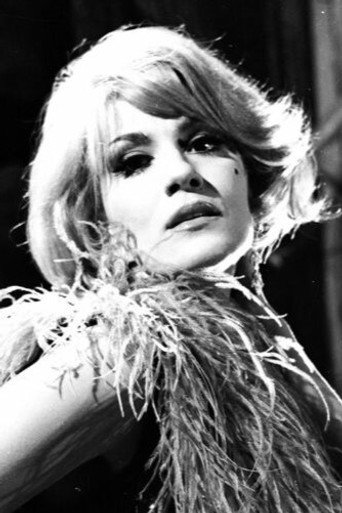
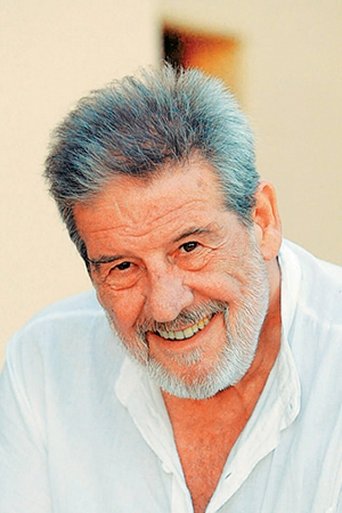
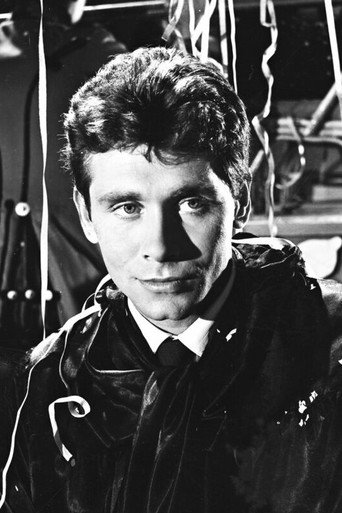

Throughout the 1960s only two Greek directors made a dent on the world cinema stage, Mihalis Kakkogiannis and Vasilis Georgiadis. Kakkogiannis' Zorba the Greek, was an international success with Anthony Quinn's Zorba becoming the cinematic embodiment of Greek ideals. Georgiadis' accomplishments were fleeting by comparison. His films The Red Lanterns (1963) and Blood On The Land (1966), both received Best Foreign Language Film nominations at the Academy Awards, only to disappear into obscurity shortly after.Released in 1966, just before the 67' military coup which enforced tough restrictions on film content. Blood On The Landis a rare Greek Western, centring on the growing conflict between peasants and wealthy-estate owners during the early 20th century. This clash is contrasted with the familial drama of the wealthy Hormova brothers, Odysseus (Nikos Kourkoulos) and Rigas (Giannis Voglis), who are ideological opposites. In the hands of a lesser screenwriter, it would've been easy to distil the films narrative into a simple paradigm of 'Good vs. Evil' but Nikos Foskolos opts for moral complexity. Sydney Pollack once said, "Good movies should be two sides of a good argument". It seems Foskolos believed that too. He doesn’t take sides, instead leaving the audience to decide who is morally just. Had this film been made a year later during the dictatorship, you can be assured that not only would it have had a definitive moral stance but it also would've glorified the peasants suffering.Blood On The Land is a near-perfect collision of sight and sound. The score by Mimis Plessas is almost operatic, perfectly complimenting the rocky terrain where cinematographer Nikos Dimopoulos masterfully moves his camera. The performances from the leads can be self-conscious at times, with both Kourkoulos and Voglis playing within type, though this is a common problem with popular Greek Cinema of the 1960s.
Two rival brothers vie for the same woman against the backdrop of peasant revolts in their Greek homeland. In Thessaly in 1907, a man incites the poor farmers to take over the land they work for the benefit of the landowners. Odysseus (Nikos Kourkoulos), the son of one such landowner (Manos Katrakis), refuses to clash with the farmers.
Where to watch
1Blood on the Land is showing in 1 cinema in Athens — next screening Wednesday 2 September at 20:15 at Cine Paris.
Wednesday, 2 September
Cast & crew
6What people say
Rigas or the Bear?
Perhaps the only Greek western, it's surprising this film hasn't resurfaced as a rallying call for rethinking homelessness and aiding refugees in Greece.Greece's international submission to the 38th Academy Awards in 1966. Nominated.Mixing the return of Odysseus and the biblical parable of the prodigal son: 'Two Brothers, Lost Son, Loving Father'. This all takes place in 1907 around Thessaly (also a location in the Odyssey).This is a story of a prisoner's rehabilitation, a homeless population, forced labor agreements, and a refugee camp.Without directly referencing the complex politics, this film seems to be using western motifs to depict Eleftherios Venizelos ("the maker of modern Greece"). The plot's complex fiction and real world parallels get a bit confusing, the film ends with a quote from Venizelos: "Slaves could not free slaves".But it sure looks great. Faidon Georgitsis and Zeta Apostolou making out in a bathing barrel is charming. Feuding brothers Giannis Voglis and Nikos Kourkoulos bring that machismo swagger.
What is Blood on the Land about?+
Set in 1907 Thessaly, the film follows two brothers torn apart by their opposing views on land ownership as peasant farmers revolt against wealthy landowners.
Who directed Blood on the Land?+
It was directed by Vasilis Georgiadis, an acclaimed Greek filmmaker known for his Oscar-nominated works in the 1960s.
Has Blood on the Land won any awards?+
The film was nominated for Best Foreign Language Film at the 38th Academy Awards. Discover more screenings on Mood.