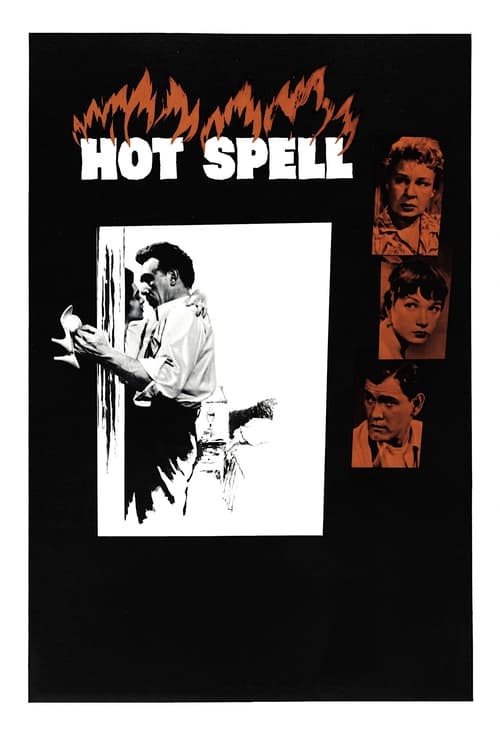




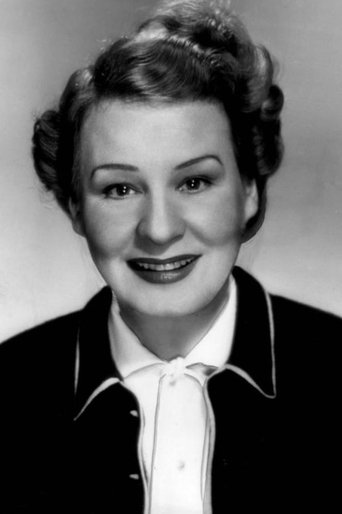
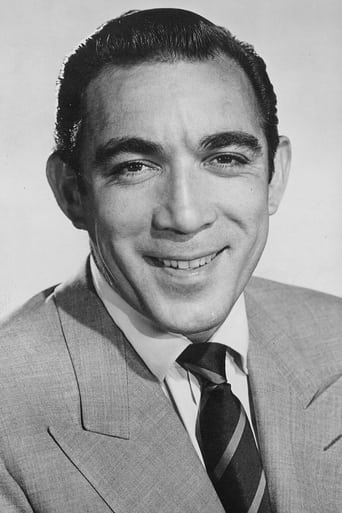

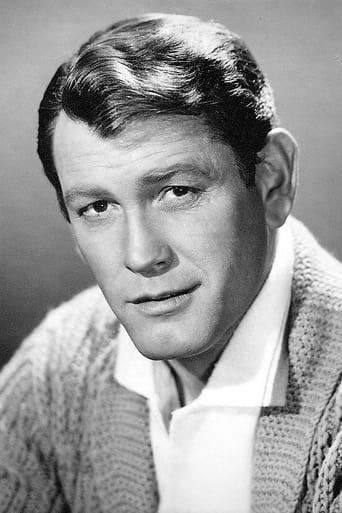


Based on an unproduced play written by Lonnie Coleman from his own novel, Hot Spell still bears the weight of the stage directions on the page, with its limited locations and claustrophobic spaces opened up along one wall toward a watching audience. One of Hal B. Wallis' mid-1950s melodramas about people he called "beaten, unkempt, and depressing," the film fits in well with the traditions of the cycle, proudly upsetting Paramount execs, who professed their dismay at the fact that, in these films of Wallis', "even the young people ... were unattractive, morally if not physically."*Focused on a single night in the life of the Duval family of New Orleans, the film (directed mostly by Daniel Mann, but with a little cleanup work by George Cukor, after Wallis fired Mann late in filming) lays out the agonizing ways in which the family's five members are slowly destroying one another. The family's most obvious villain is Jack (Anthony Quinn), a man who has genuine affection for his family, but also a determinedly wandering eye, and who has recently fallen in love with a young woman who, he claims, considers him "her whole life." Quinn is excellent as Jack, easily revealing the character's deep insecurities, particularly during a wrenching pool hall visit with his naïve youngest son (Clint Kimbrough as Billy), and enabling us to feel sympathy for his inarticulate longing for change, despite the pain he causes his family as he pursues it.Billy, a recent high school graduate, is deeply sensitive (though no one outright says it, there's certainly a coded suggestion that he could be gay, and that his father suspects it), and can barely handle sitting at dinner with his family without falling apart. Their cruelty, selfishness, and willful ignorance are wearing him down, a boy who seeks nothing more than emotional safety and honesty, and people upon whom he can rely. Eventually, Billy gets so desperate that he simply runs away, joining the Air Force not because he thinks the military is a good place for him, but rather because it will get away from the agony of being surrounded by his family.Billy has two older siblings, Buddy (Earl Holliman), an arrogant, ambitious jerk who works for their father and wars with him incessantly, and Virgina (Shirley MacLaine, in an early role), a girl who alternately wants her family to stay together, quiet and grimly pretending to be happy, and wants everything out in the open, regardless of the consequences. She is also deeply in love with her older, skeevy boyfriend Wyatt (played by Warren Stevens, so I think we all know why I'm here), giddy with the hope that he'll ask her to marry him soon.So used to being the glue that holds her family together that she has learned to overlook her own pain is Alma (Shirley Booth), Jack's long suffering wife, and the mother to the three kids. Alma is forever cheerful, determined to use her own thoughtfulness and enthusiasm to convince her family to love and respect one another, busily visiting each child at work to give them the gifts she's bought for the to give their father that night, encouraging Virginia's dreams of marriage, and bending over backward to pretend her husband is the loving, thoughtful man she had hoped to marry, 20 years earlier.It's obvious from the start that the family and the film are heading toward an explosion, but the way they get there is what matters. All of the performances — including Stevens as the boyfriend and Eileen Heckart, who is hilarious as Alma's only friend, Fan — are impressive, and nearly every scene reveals more about the characters and their relationships, deepening both the tension in the story and our appreciation of the grim reality they have come to see as acceptable.There are a number of powerful scenes but, alongside the one mentioned above between Jack and Billy, what stands out most vividly is the final conversation between Virginia and Wyatt. Full of joy and adrenaline from the off-screen physical intimacy in which they've just engaged, Virginia giddily tells Wyatt about their shared future, one in which she waits for him to finish medical school without making a single demand, supporting herself and waiting, eager to "be there for you, whenever you want me." Breathlessly, she tells him "I just want to be near you."Every inch of Virginia's fantasy mirrors the one her mother held so close when she married her father, and it's one to which Alma still clings, two full decades later. The fact that Virginia has spent her entire life in a household built around a mother who does nothing but sacrifice and close her eyes to the wrongdoings of those around her, and yet still fantasizes about her own future as a selfless wife, devoted to a man little interested in her, is chilling evidence of the power of patriarchal messages, the same ones so fully absorbed by Virginia's mother, father, and older brother, and the ones that are slowly stripping her less traditionally masculine baby brother of every ounce of his certainty and confidence.Had it ended after about 70 minutes, an argument could be made for the near-greatness of the very modest Hot Spell, in its examinations of the American family, and the forces that threaten it from within and without. Unfortunately, it runs nearly an hour and a half, and those final 15 are so ham-fisted, simplistic, and entirely without subtlety that they threaten to destroy everything that has come before. I'd almost recommend just turning it off after the first 70 minutes are over — nothing new is going to be learned, really, and the events that are ahead are better left unseen. (You know, it's kind of like leaving a baseball early, when your team is still ahead: they might lose after you're gone, but they won the game you saw, and that's what matters.)*The better known and more successful films Wallis produced with these characteristics include The Rose Tattoo, Wild is the Wind and, one could argue, The Rainmaker.