Existentialism is just the topping of this pessimistic, black-and-white cake. Kaurismäki knows that the genre of the source material he adapted is drama, but when did some splashes of humor hurt anyone, especially if you have a very rich character development justifying your directorial plot management?Even if that was not enough, we are offered two sides of a tragedy: the one that comes from the ingratitude towards art when such profession is your profession, and the one that comes with the package called life. Whereas I agree that art in general is a greatly under-appreciated profession, La Vie de Bohème suggests between lines that the true art in this life is the art of living and facing such aforementioned tragedies.96/100
"I love you, you know, but life is hard"Buenísima película, hermosa y emotiva."La Vie de Bohème" es la película con la que más pude conectar del director, contando una historia sobre relaciones de amistad y de pareja, logrando una emotividad muy buena al contar con personajes sensacionales.Sinopsis: Tres artistas sin dinero se hacen amigos en el París actual: Rodolfo, un pintor albanés sin visa, Marcel, un dramaturgo y editor de revistas sin editor, y Schaunard, un compositor posmodernista de un ruido aborrecible.La historia me encantó, pude conectar mucho con ella. La trama mezcla muy bien el romance, drama y la comedia, complementándose de una manera memorable y teniendo un desarrollo que encima logra ser entretenido. Me quedo más que nada con los momentos románticos y la relación de amistad de los tres hombres protagonistas, quienes van ayudándose entre sí y preocupándose el uno por el otro para tratar de seguir adelante con sus vidas. Además, los pequeños toques de comedia son muy efectivos, aunque me quedo con el drama que nos llega a regalar algunas escenas en las que podes llegar a emocionarte tranquilamente, como su final, el cual es bastante memorable.En cuanto a los personajes, éstos son buenísimos. Marcel es un poeta parisino que es desalojado de su habitación después de que no puede pagar el alquiler, y mientras deambula por las calles conoce a Rodolfo, un pintor de Albania que también es pobre y encima está en el país ilegalmente. A su vez, también conocen a Schaunard, un compositor irlandés que alquila la antigua habitación de Marcel. Los tres son personajes que me encantaron y tienen un desarrollo sensacional individualmente, pero también resaltan en cada escena que comparten juntos, teniendo una buena química entre ellos y mostrando una relación de amistad que te crees en todo momento. De ellos mi favorito fue Rodolfo, quien a su vez entabla una relación amorosa con Mimi, una francesa de la que se termina enamorando hasta que diversas circunstancias de la vida se les interponen, haciendo que su amor sea más difícil de lo que creían.En otros aspectos destaco el trabajo de Aki Kaurismo en guion y dirección, ésta película resalta más que nada por su apartado visual en blanco y negro, algo que no había visto en las otras cintas del director que vi y que acá queda fantástico. Además, el guion es muy bueno y se me hizo muy fácil poder conectar con la historia y personajes. Por otro lado, las actuaciones son magníficas, principalmente las de Matti Pellonpää, André Wilms, Kari Väänänen y Evelyne Didi, quienes son los que más salen en la historia y otorgan interpretaciones espectaculares, todos tienen muy buena química.En conclusión, una gran película que es una tragicomedia muy sólida, con personajes que entablan relaciones muy importantes para sus vidas y se nos hace fácil conectar con ellos y las situaciones que atraviesan. La recomiendo.
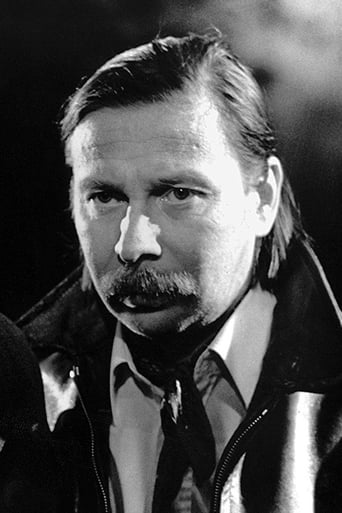
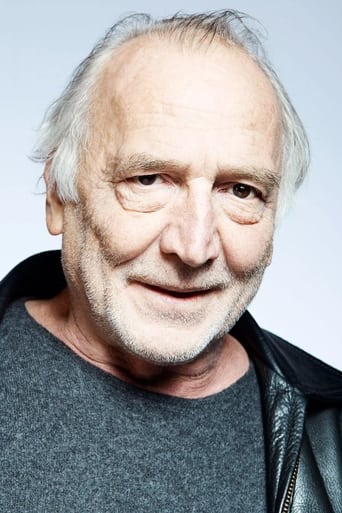
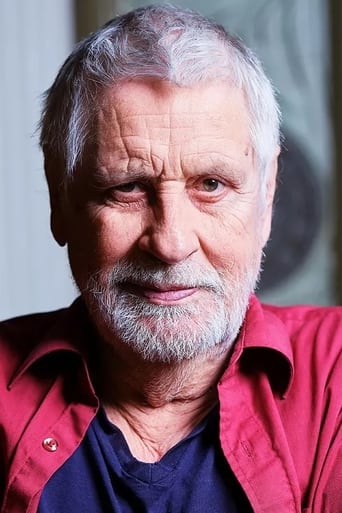
Wow. This has to be one of Aki’s best works. Crime and Punishment was brilliantly made (and, remarkably, that was his directorial debut), and Juha is a masterful tragedy — not to mention a magnificent revival of the silent film. But it’s in La Vie de Bohème (Bohemian Life), based on Henri Murger’s story collection, that Kaurismäki’s passion for the subject is felt most strongly.Beautifully shot in black and white, the film explores the intertwined lives of three artists living in Paris: a French playwright, Marcel Marx (André Wilms); an Irish composer, Schaunard (Kari Väänänen); and an Albanian painter, Rodolfo (Matti Pellonpää). Together, they struggle to maintain a certain decency in their lives — whether that involves tricking their landlord or borrowing a customer’s jacket (Jean-Pierre Léaud, grandiose as Rodolfo’s portrait model) for a couple of hours without the latter noticing. They don’t demand much; in fact, their friendship is more than enough to ensure life goes on fairly well.At this point, a new character appears: Mimi (Evelyne Didi), a barmaid. Rodolfo falls in love with her, and from there on, things begin to change — and not for the better. The Albanian is sent back home, and when he returns six months later, everything is different. Can old bonds be restored? Can the situation return to the way it was?Kaurismäki takes his time to make us acquainted with his characters — hence the unusually long running time. Most of his films run to 70 minutes, 80 tops; this one is 103 minutes long — and that’s why the film hits us hard when it has to. Having followed their combined fates since the beginning, we feel as though we know them — a fact that makes the sucker-punch epilogue even more devastating.La Vie de Bohème represents a successful transfer of Finnish mentality and attitudes to a timeless Paris — you never stop to think there’s anything that doesn’t belong. It’s all so perfect, in both its sad and happy moments.—Aki Kaurismäki: Ranked