


that girl hiding a knife in her beehive hairdo… like that’s cunt
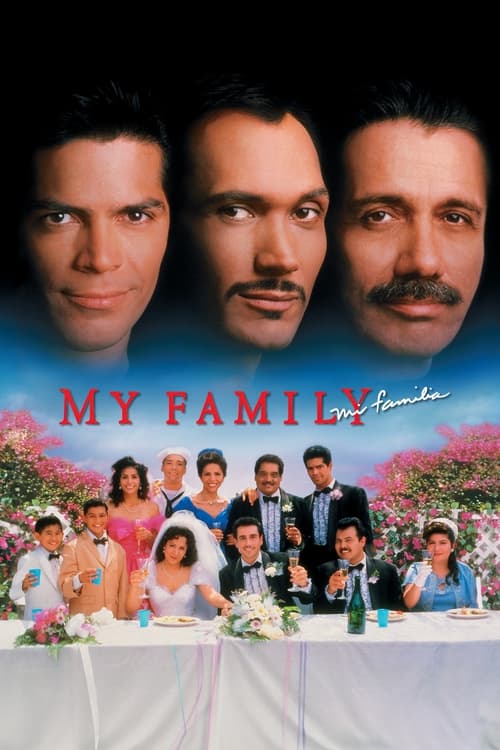
Traces over three generations an immigrant family's trials, tribulations, tragedies, and triumphs. Maria and Jose, the first generation, come to Los Angeles, meet, marry, face deportation all in the 1930s. They establish their family in East L.A., and their children Chucho, Paco, Memo, Irene, Toni, and Jimmy deal with youth culture and the L.A. police in the '50s. As the second generation become adults in the '60s, the focus shifts to Jimmy, his marriage to Isabel (a Salvadorian refugee), their son, and Jimmy's journey to becoming a responsible parent.
My Family isn't screening in cinemas right now.
Follow the film in the app to get notified when showtimes are added.
My Family showtimes, refreshed every morning
Pick your cinema, get a nudge before it leaves screens.
that girl hiding a knife in her beehive hairdo… like that’s cunt

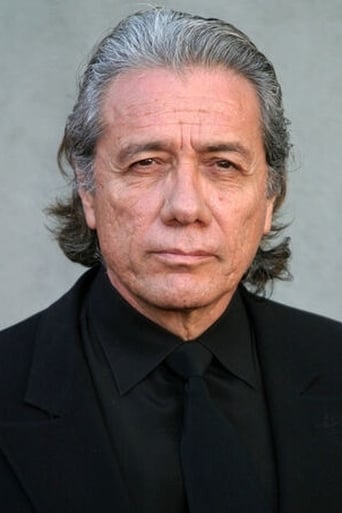
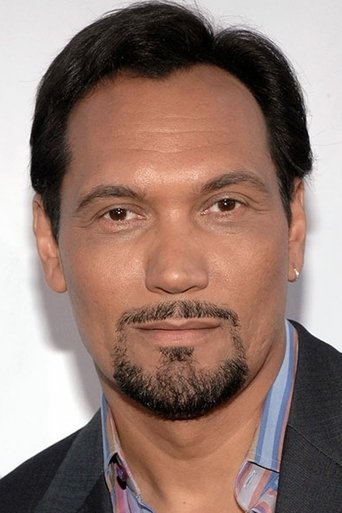
A keystone of Chicano cinema, starting with the presence of Edward James Olmos. Set in East LA, the spiritual center of the Mexican-American experience. You've got the immigrant narrative. You've got gangbangers. Big family celebrations and relatives in prison. Religiosity and superstition. Politics. The struggle to live in a society that tells you to assimilate but then refuses you when you do. Gregory Nava has a sweeping vision that might not be deep enough from character to character, but wide enough that this is going to feel familiar to almost all people on some level, and especially Latinos. As a representative sampling of an entire culture's experience in America over the course of decades, these are idealized archetypes more than real people. Jose (Eduardo Lopez Rojas) and Maria (Jenny Gago) are embodiments of the immigrant's drive to make it, Chucho (Esai Morales) is the pachuco demanding his seat at the table, Jimmy (Jimmy Smits) is the product of the system, etc. This actually works in the film's favor. Those that have grown up with the real world versions of these characters know full well that they're a lot less likely to end up at a dinner table contemplating how lucky they've had it. But the fact that these are ideals, something of an aspirational model, played by actors who uniformly invest their parts with a soul, makes it feel right that things can turn out well. Even for Chucho, the most tragic character, who makes the most of his borrowed time. One aspect of the experience that's portrayed here that I haven't seen a lot of in film is the way that marrying into an anglo family is tacitly viewed as a form of social mobility. No one mentions it, but the look on Jose's face when his daughter Toni leaves her vocation as a nun and brings home new husband Scott Bakula conveys all of the unspoken discomfort that surrounds that idea. It gets further brought home when Memo (Enrique Castillo), the family's "pride and joy" who's become a successful lawyer, comes by the house with his white Bel-Air fiancé and her parents. There's a weird, buried impulse in a lot of Latino families to both associate success with how white you can become, but to also recoil from it, embodied by little Carlitos' display of the contempt that the rest of the family has psychologically buried. Struggles with interracial marriage isn't somehow unique to Latinos, but it comes out in a unique way in America. Not quite as shocking to oldheads as a black/white pairing, but also not really okay with a lot of people for a long time in this country's history. Making it a thing that happens a lot but is rarely confronted or discussed. There's a lot that's well-observed here, and man I can listen to Edward James Olmos say stuff all day. Jimmy Smits stands out as the hard vato with a legitimate grudge and some heart under all the anger, and Esai Morales brings a lot of life to his doomed pachuco. Elpidia Carrillo doesn't get a whole ton of screen time, but her parts of the story as Jimmy's wife, Isabel, are the most personal and the most bittersweet scenes in the film. She packs a lot into her brief role, as befits someone as accomplished as she is. Unapologetically melodramatic, which describes the lives of quite a few people I know in the real world. Both epically told and intimate. A really good initial station for those looking to get acquainted with the portrayal of Mexican-Americans on film.The 11s: Chicano Film

isabel and jimmy deserved better😭
The film chronicles three generations of the Sanchez family as they navigate life, identity, and the immigrant experience in East Los Angeles.
Gregory Nava directed this 1995 film, a prominent voice in Chicano cinema who also directed El Norte.
The film is a work of fiction, though it is deeply grounded in the real cultural experiences and history of Mexican-American families in the 20th century.