


Art = Contemplation = Ideas = Thought = Creation = Energy = Vitality = Life.Art = LifeAn equation rarely solved better than in this film.
We use cookies to personalize your experience and analyze traffic. You can opt out at any time.
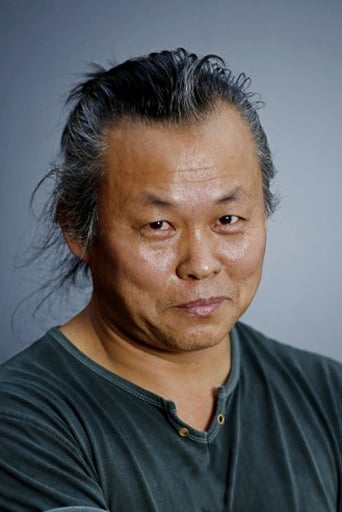
Directed by Kim Ki-duk
봄 여름 가을 겨울 그리고 봄
An atmospheric, acclaimed drama.
An isolated lake, where an old monk lives in a small floating temple. The monk has a young boy living with him, learning to become a monk. We watch as seasons and years pass by.
Spring, Summer, Fall, Winter... and Spring isn't screening in cinemas right now.
Follow the film in the app to get notified when showtimes are added.

Spring, Summer, Fall, Winter... and Spring showtimes, refreshed every morning
Pick your cinema, get a nudge before it leaves screens.


Art = Contemplation = Ideas = Thought = Creation = Energy = Vitality = Life.Art = LifeAn equation rarely solved better than in this film.

Didn't you know beforehand how the world of men is? Sometimes we have to let go of the things we like. What you like, others will also like.Deep in the foothills of rural South Korea, off a winding dirt road exists a path. You might miss it if you werent looking. Walking this path takes you down into a vast lush valley where a small lake rests encircled by steep jungle and rocky cliffs. Silently bobbing in the middle of the lake is a floating temple where an old monk lives and prays with his young apprentice. In Spring, Summer, Fall, Winter and Spring we observe these two monks for many days, seasons, and years. Don't fall asleep just yet, because this film is one of the most beautiful, engaging and intellectually stimulating films ever made. In my cinematic travels I've never encountered a film that was such a perfect blend of nature and spirit. It accomplishes this through the examination of human change that comes from the passing of seasons; and the shifting currents of life itself. We as humans tend to remember specific phases of our lives and what the natural world around us looked like during them. Summer excitement. Winter depression. Its within this idea that Spring, Summer, Fall, Winter and Spring plants its roots.Spring: The opening of the film. Birth. New life. Our virgin eyes and ears are blissfully introduced to the beautiful natural setting in which the film will take place. The viewer follows the young monk as he wakes up, and explores the fresh misty landscape. Marveling at the animals and wildlife. We learn how delicate even the smallest life can be, and how everything living in the world affects us. Themes of discovery and beauty are highlighted in this phase. Summer: In this phase the plants are in full bloom, mating season is in high gear, and the hot sun glistens off the quiet lake. A few years have passed and the young monk is now a teenager. Two women travel to the temple in search of the old monks healing prayers. Love blossoms and emotions run high. This phase captures the fun, heat, and heartbreak of all young summers; all set in front of a natural world that has exploded with lushness and humidity. Fall: The end of the previous summer phase brings the first "twist" to the story. And fall brings the second. The young monk is now a young adult and a leave of absence from the temple into the modern world has exposed him to great sin. He returns and experiences the repercussions of death and mistakes. Fall is a time of passing over, and harvesting of lessons. The slowly decaying environment symbolizes a loss of innocence and appreciation for the natural world, and it wounds us as viewers deeply; we may not even know why at first as the young monk is a character of few words whom we really dont know that well. This is the first major tonal shift in the film and eases us into the next phase. Winter: Loneliness, cold, waiting. The winter phase is the most mediative. The monk, now an adult man returns to the temple to find it long abandoned. He lights a candle inside and waits for the rebirth of spring. This is a period of reflection as the natural world takes a rest from the cycle of life. Suffering and self healing make up this phase. Winter for a lot of people is a time where we construct a new version of ourselves to be reborn in the Spring, and the film plays with this in a brilliant manner. And Spring: The final phase of the film brings everything full circle in the most beautiful of ways. The film has multiple changes in plot and the circumstances in which everything comes full circle here are for you to find out yourself. The subtle changes in character and plot drive the film and here the film wraps up beautifully. Setting a new cycle and putting in motion the eternal circle of life and death. Spring, Summer, Fall, Winter and Spring is such a monumental spiritual achievement, and by using such little. Its easy to be captivated by just the mere images this film provides; the Temple on the lake being one of the most visually exciting and emotionally diverse settings in all of film. Its a hard film to review since it heavily relies on its small plot shifts, but spoiling those would ruin many fantastic moments. But even if there were no words or plot, the film would still be a profound cinematic achievement just for the amazing natural world on display. And instead of being a puzzle (which it easily could've been) its more of a lesson or exercise in understanding the human condition and its relationship to nature. I've never seen a film underline the emotional changes of the seasons so well and I don't think I will for a long time. Korean film or not. Can spring get here already? I think I'm gonna go live in the woods behind my house for a while. I think there used to be a pond back there....

Can someone please untie this rock from my back? It's getting pretty heavy.
It follows the spiritual journey of a monk living in a remote, floating temple across different seasons of his life.
It was directed by Kim Ki-duk in 2003, a South Korean director recognized for his distinctive visual style.
The film features very little dialogue, relying primarily on visual storytelling and the natural environment. Full schedule on Mood.