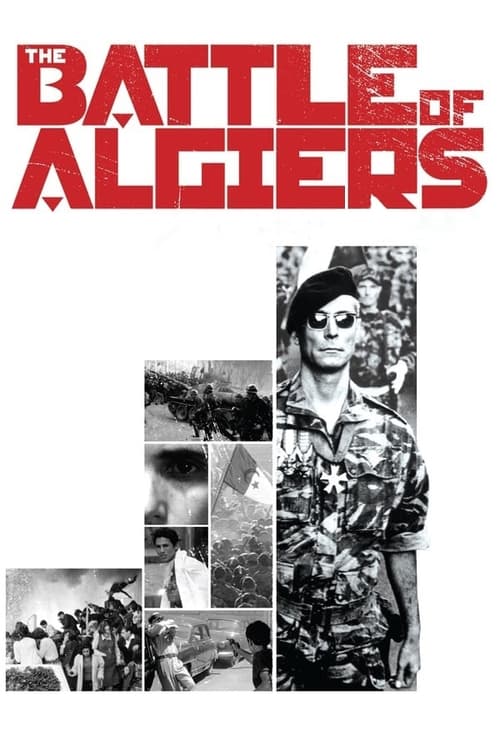
"You just have to pull the trigger...""... If your answer is yes, you have to accept the consequences."A harrowing work of blunt, unglamorous political instruction and conviction, and one of the great pieces of armed revolutionary cinema. A claustrophobic, maze-like, and yet clear-eyed depiction of on-the-ground human suffering under brutal colonial rule as well as a thrilling, grit-textured newsreel procedural documentation of organized guerrilla resistance that’s so authentic it was studied by both left-wing and right-wing groups for possible insights into their opponents. It takes a very real, overwhelming geopolitical situation and realizes it in the POV of human eyes and ears (the constant machinery of the sound design in helicopters, loudspeakers, guns, etc vs. the wails of the people) that very effectively capture the act of witnessing, and material solidarity and ideological martyrdom that are all necessary to see the anti-imperial project through to the end.Obviously there is a lot of incredible detail to unpack, but the sequence that stands out is of the three Algerian women planting bombs in the French district. Up until this point in the film Pontecorvo methodically avoids humanizing the French colonists in both character and framing (reserving warmth and close-ups for the Algerian people, reducing the military to the malicious, clinical presence it historically was), but briefly in this scene, we see the evocative flashes of French civilians singing, dancing, eating, laughing; we've entered the perspective of these women as they acknowledge that, in the name of liberation, of life, they're about to slaughter. Yet Pontecorvo doesn't frame this for simplistic hypocrisy but a much more complicated, tragic acceptance inherent to the use of force and achieving political goals under violent conditions.Full discussion on episode 35 of my podcast SLEAZOIDS.
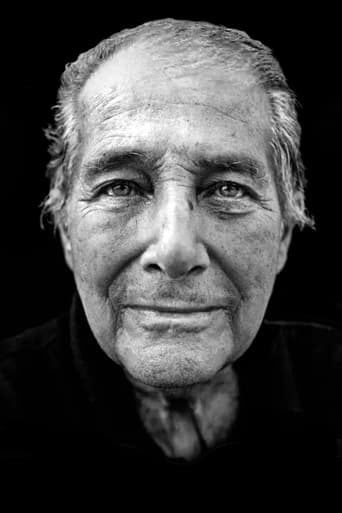
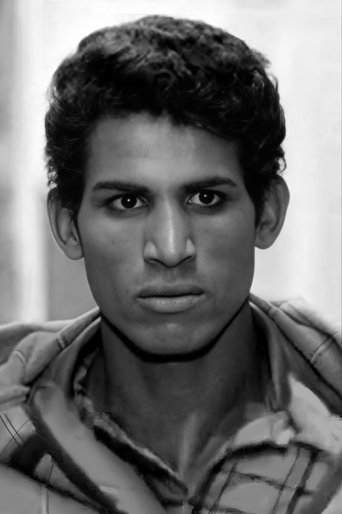
No bastard ever won a revolutionary anti-colonial struggle by dying for his country, he won it by making the strong armies of colonialism die for theirs. The best movie about guerilla warfare and counterinsurgency ever made. A film that unquestionably glorifies revolutionary violence while never romanticizing it. A movie so good the Pentagon screened it for their own "special operations branch" in 2003 because they thought the lesson was "win more hearts and minds" not "don't be an empire." Brutal, unsparing, and as close the real thing as is possible on film, given that almost the entire cast were non-professional actors, many of whom had fought for the FLN not even ten years prior. The guy who plays Djafar, Saadi Yacef, is still around and even has his own youtube account. (https://www.youtube.com/watch?v=Tg_b7CUvXdg)Also Col. Matthieu? Despite all the torture, is pretty cool. Can't lie, he's kind of nice with it.I just recorded an episode of the podcast Habibti Please on this movie, which should be out this weekend. Check it out to unlock another chamber of #MovieMindset. ---> www.patreon.com/habibtiplease
there’s a child hanging limp, carried from a ruined building. a furious mob marches into the streets, crowded together in a closed-off ghetto. a leader promises retribution. a woman darts nervous eyes in a café. she leaves a bag behind as she exits through the door. no one thinks twice about it. another child, eating ice-cream, looks at her as she passes. a bomb goes off.colonialist states are violent systems that breed more violence. citizens become collateral. revolutionaries find that they must go to lengths thought unthinkable to defeat the brutality of the behemoth before them. they can focus on rebuilding once the war is done. violence is not the end, it is a means to an end where people will be free.battle of algiers is interested less in the political forces behind the events of 1954 to 1957 than it is in the explosion that was created. it’s a piece of action, not exposition. of people, not faceless movements. and as such it never lets us forget that the structural creates the personal and children die because of unjust states.