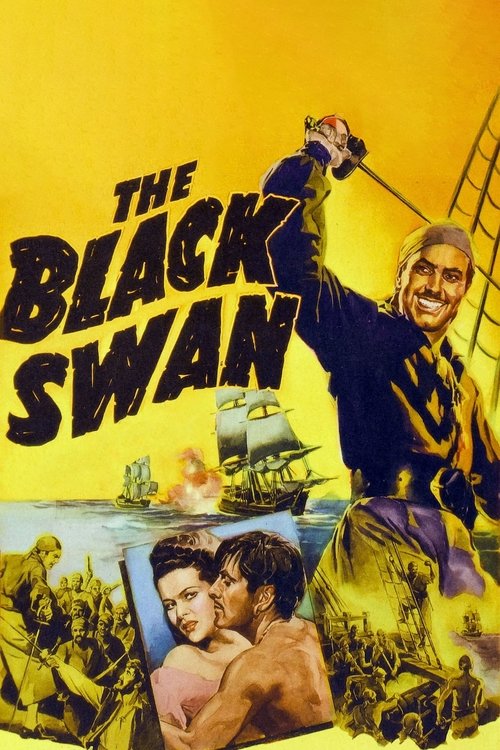
- O Nickel Odeon tem uma reputação famosa e o Mac-Mahon é quase identificado com uma seita. A partir de quais critérios vocês escolhiam os filmes?- No Nickel, éramos menos sistemáticos do que no Mac-Mahon. Tínhamos apenas um critério: que esses filmes tivessem algum interesse (diretor, tema, roteirista, gênero), que tivessem recebido críticas favoráveis, não importa de qual lado, de Kyrou a Truffaut. Programávamos filmes com uma rejeição absoluta de ideias pré-concebidas. Essa é, acredito, uma atitude que sempre segui. Na época, não éramos muitos. A cinefilia era dominada por capelas e clãs nos quais era preciso obedecer ordens. Vou dar um exemplo. Exibimos La nave bianca, um filme muito raro de Rossellini, e naquela noite colocamos no mesmo programa The Black Swan de Henry King, um ótimo filme de piratas com uma magnífica fotografia de Leon Shamroy. Pois bem, toda a gente dos Cahiers du cinéma, ou seja, a equipe jovem - porque penso que é algo que Rivette ou Truffaut, que já não estavam nos Cahiers, jamais fariam -, saiu da sala após o primeiro filme, preferindo o Rossellini, que não era um Rossellini importante, para dizer o mínimo, e recusando-se a ver um Henry King bastante regozijante, porque King, de quem eles não tinham visto nada, não era um cineasta cobiçado. Ele só seria reabilitado vinte anos depois. É um pouco esse estado de espírito que recusávamos no Nickel Odeon, ou quando nos tornamos assessores de imprensa com Pierre Rissient. "Les films des autres", entrevista com Bertrand Tavernier por Thierry Frémaux, Amis américains - entretiens avec les grands auteurs d'HollywoodPolítica dos autores hoje: um empecilho, uma viseira, uma forma de miopia institucionalizada, uma caricatura que basicamente serve de subterfúgio para não ter que lidar com filmes enquanto filmes, a cinefilia e a crítica atrelada ao autorismo como uma espécie de cultura elitista fechada em si mesma ao invés de uma atividade ligada eminentemente à prospecção e à reflexão estética (como ainda faziam os Cahiers dos anos 1960-1970, malgrado os seus limites e os seus erros - além do King, André De Toth, Richard Fleischer, William Wellman, Henry Hathaway, Mitchell Leisen, Joseph H. Lewis, para ficar apenas no cinema americano de que fala Tavernier). Política dos autores hoje: João Nicolau; ontem: Sofia Coppola; antes de ontem: Olivier Assayas. Cineastas que, enquanto cineastas, isto quer dizer enquanto criadores de formas, sem a inflação da "temática particular" e do "universo pessoal" (leia-se: o que a cultura da época, o zeitgeist, admite como tal), não valem meia pataca.Felizmente tem os Paul Vecchiali, os Pedro Costa, os Jean-Claude Biette, os Peter von Bagh, os Miguel Marías que entendem isso e veem bem mais longe.
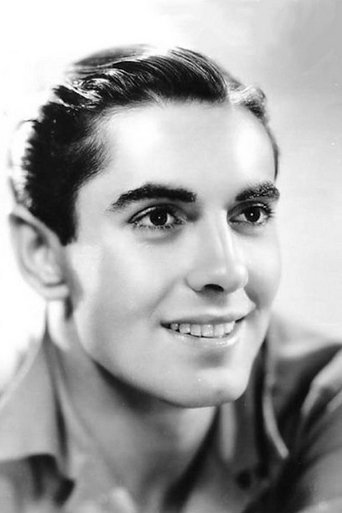
Wheres the ballet? Wheres Natalie Portman? WHERE ARE THE LESBIANS?! Smh so disappointing tyrone power aint even hot
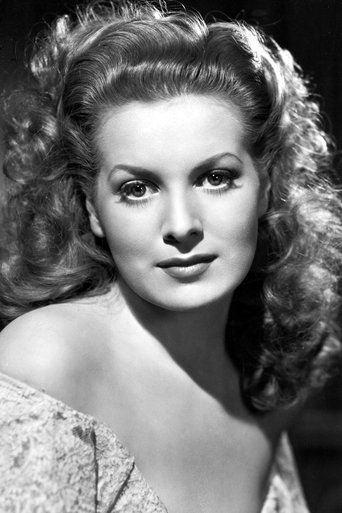
They always say that certain film genres come and go depending on what audiences want to see. Back in the 1930's, 40's, and even the 1950's, Pirate films were regular releases from the major studios, and although as time went on the swashbucklers, just like the Westerns, faded in popularity, some filmmakers tried to rejuvenate the genre by throwing money into big budget productions. If we ignore Richard Donner's The Goonies as a pirate film, it was decades before Renny Harlin's Cutthroat Island attempted to put pirate films back in the spotlight. Harlin certainly did that, but for all the wrong reasons, losing more money than a Bitcoin entrepreneur, and almost bankrupting Carolco Pictures, and we'd have to wait for a certain Captain Jack Sparrow and Disney to bring the glory days back to a genre that gave us so many classics back in the Golden Age of Hollywood. Ask most film fans about pirate films and they'd invariably mention The Pirates of the Caribbean franchise, Captain Blood, the various different Treasure Island adaptations, Spielberg's Hook, and possibly Vincente Minelli's musical, The Pirate? Fans of the Golden Age of Hollywood however would know plenty more titles, when swashbucklers were a huge draw, and in 1942, just two short years after Errol Flynn's turn in The Sea Hawk, director Henry King would bring us The Black Swan, a Technicolor swashbuckler starring Tyrone Power and the gorgeous Maureen O'Hara. Yet another film where there's a sprinkling of historical truth thrown into the mix, this has fictional characters mixing with genuine figures as we venture back to 17th century Jamaica and a thrilling tale of piracy and the Pirate Brotherhood trading blows and plundering Spanish ships. Laird Cregar's turn as reformed pirate Henry Morgan, appointed Governor of Jamaica here by King Charles II, lights the blue touch paper in terms of plot, with Morgan asking his former comrades to stop attacking Spanish ships following peace with Spain. His ousting of current Governor Lord Denby will create an instability that will see Morgan viewed with suspicion by both the citizens of Jamaica and his former pirate friends. His appeal to the Pirate Brotherhood to cease their activities causes division among, with Captain Leech, captain of the Black Swan the leading instigator in defying Morgan's call, setting a course of action that will see Morgan undermined in court. It'll be here that Power's Captain Jamie Waring will enter the fray, alongside O'Hara's Lady Margaret Denby, daughter of the ousted Governor, and the beginning of a love/hate relationship that will become the focal point of King's film. Treachery, collusion, love, and even a touch of kidnap, will bring this one to the boil, and in Power and O'Hara we have two leads who sizzle together. George Sanders' villain is joined by Anthony Quinn in a small supporting role as Wogan, and they do messy the waters for both the blossoming romance between Captain Jamie and Lady Denby, and Morgan's attempts to keep the peace. Technicolor really brings this one to life too as we get battling pirate ships, plenty of action, and O'Hara making my heart skip a beat as a 22 year old here. Power does the swashbuckling bit well too, but he isn't Errol Flynn, and despite looking the part, it was O'Hara who attracted most of my attention from the moment she appeared on screen. I do have one question though, one I've asked before about another film she did in 1942 where they dyed O'Hara's wonderful red hair a different colour. Here she's a brunette, and in To The Shores of Tripoli she had black hair, it begs the question, didn't anyone realise she was the "Queen of Technicolor"?