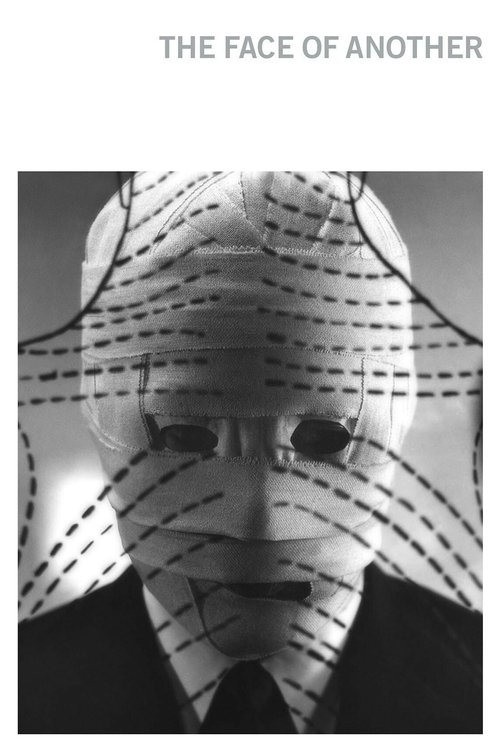




This film, like few others have done, transcends the medium into pure unadulterated art. Every tiny minuscule detail of the movie is crafted particularly to fit the genius of Teshigahara. Nothing is left to chance and all orchestrated together to create something higher than cinema. This is the nature of how multi-faceted artist, renaissance man, and one of Japan's greatest directors Hiroshi Teshigahara operates in his insane creative process.Exaggerations are well left behind, this film is meticulously designed to everything that the frame contains. The famous psychiatrist office for example, was completely designed, sculpted and decorated by a architect colleague of Teshigahara. The metallic sculptures of ears and modernistic setting with Da Vinci's Vitruvian Man and medical graphs drawn to windows and mirrors. How certain actors clothes contrast or supplement scenery and set designs. And most importantly the content of the shots that contain some of the most richest imagery and symbolism I have ever seen from a film.Teshigahara has a very heavy use of symbolism (many have used this as a criticism on his behalf) that makes the film's themes all the more deep in exploring the possibilities of discovery with repeated viewings. For instance, notice with the sub plot of the disfigured girl how war is a haunting fog on the brink of eruption. The use of Hitler's toned down speeches fills the background in her beginning scenes signifying a traumatic past during WWII and ultimately the knowledge that her scars most likely were caused during the bombing of Nagasaki. In fact there are clear uses of symbolism to suggest that with cuts in towards the end of blinding light followed by searing meat hung on hooks akin to Christian crosses and finally a apocalyptic sun at dusk that is reminiscent to the mushroom clouds of nuclear explosions.Of course this is just the tip of the iceberg with The Face of Another. The film does carry strange German symbols as well along with a German waltz written by the film's composer legendary Tôru Takemitsu, and a German bar with European crests as decor. Is this examples of post war Japan adapting more to western sensibilities or being that its German perhaps representative of ghosts lingering from WWII? Again, rich as a goldmine with how remarkably crafted the film is. Its main themes spawning from the character of Mr. Okuyama (played by a creepy Tatsuya Nakadai) a man who becomes cut off from society when his face becomes permanently scarred from a burning industrial accident.Okuyama's mentality and compassion may as well have been disfigured along with his physical injury. Disconnected from the world, he thrusts himself into a mental form of self exile, ridiculing himself and accusing those around him of silently judging his handicap. In turn slowly becoming the monster he mocks so willfully to match his appearance. From what I hear the film differs greatly from Kôbô Abe's original source material. From here in the film is when Okuyama visits his doctor/psychiatrist/confidant to form the conception of the mask. Supposedly in Abe's novel, the doctor only contained a small role in producing the mask and nothing more. In the film, his role is much larger and akin to a mad scientist type Okuyama being his Frankenstein creation. Purportedly though, Teshigahara himself has stated that the doctor is essentially part of Okuyama so his existence is left in question and up to the mind of the viewer. I can easily see this theory but am not sure if I totally accept it. There are also themes of other masks used in society such as alcohol and makeup that open doors to the conscience sense of morality and easily ignore it.There is a interesting theory to note regarding the internet (obviously not a true or legitimate theory but one I could not resist in bringing up with how unique of a spin it is on the film). This prophetic theory is essentially a man detached from society and uses a mask to veil his true identity. There is even a motif that reoccurs in the film with the use of windows and the camera filming characters behind them (very much so in the psychiatrist's office), this again represents a blockade to the character's inner thoughts, that we can only observe through a filter. Using this internet theory, it's like a computer screen. The faceless masses are those on the other side of the screen who we know are present but are always disconnected from, much like the protagonist who suffers from lack of personal connection, the computer works in the same way for us. The desire to reach out with artificial means but the inability to do so.Teshigahara incorporates a vast array of shots and edits to make a subdued chaos in his imagery. The cinematography and placement of the shots are simply impeccable. The stylistic technical choices provide just as much surrealism as the film's content (an open door to hair flowing in water like seaweed). The artistic marriage between Teshigahara and Abe in their four collaborations have conceived some of the greatest works in the history of cinema. With Woman in the Dunes widely considered both of their masterworks, I agree and conclude with saying The Face of Another is not far behind.