
Never thought I’d say this about a Peckinpah movie but…that was really nice? Like yeah full of really ugly stuff and bloody violence but also kinda nice!
We use cookies to personalize your experience and analyze traffic. You can opt out at any time.

A recently released ex-convict and his loyal wife go on the run after a heist goes wrong.
The Getaway isn't screening in cinemas right now.
Follow the film in the app to get notified when showtimes are added.
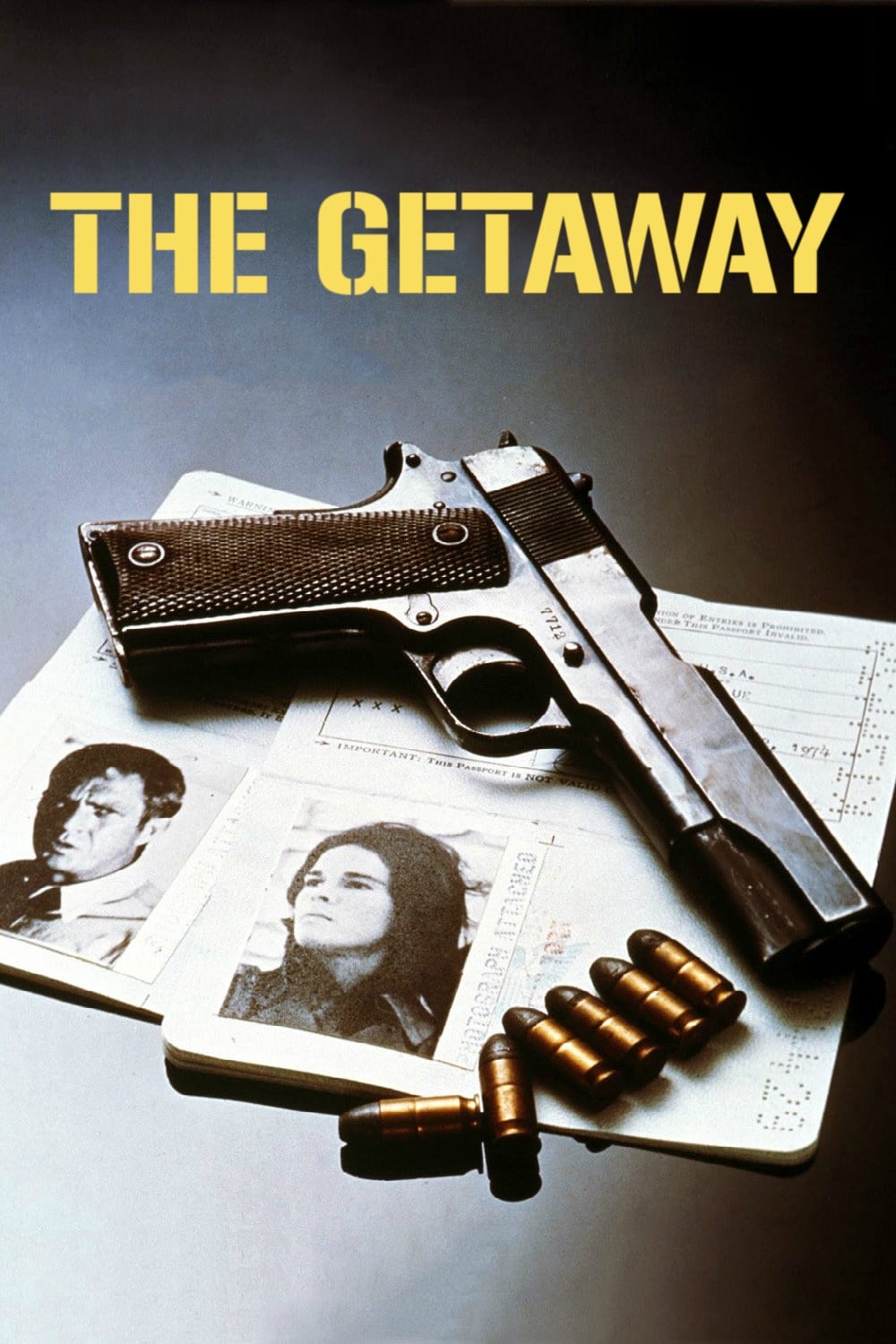
The Getaway showtimes, refreshed every morning
Pick your cinema, get a nudge before it leaves screens.


Never thought I’d say this about a Peckinpah movie but…that was really nice? Like yeah full of really ugly stuff and bloody violence but also kinda nice!

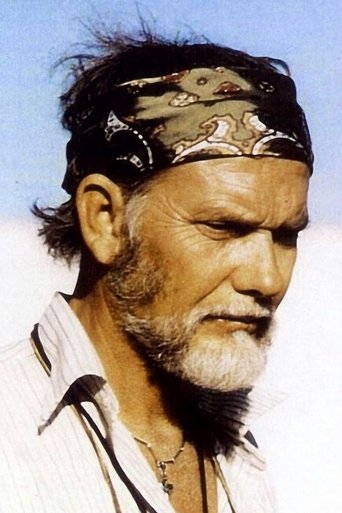
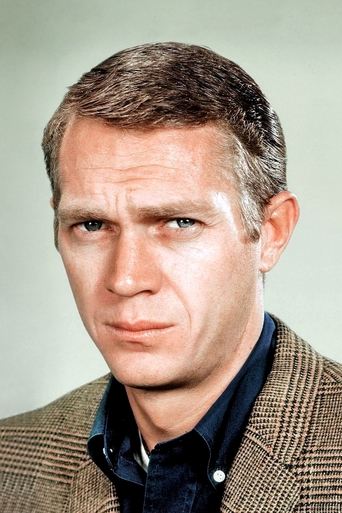
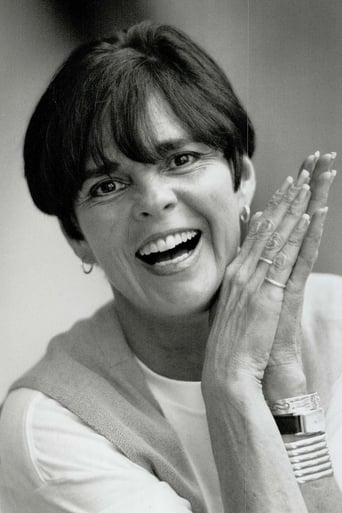
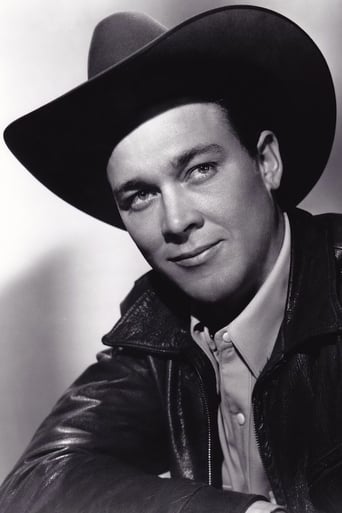
You can take Steve out of the car swerving through a crowded street and into a ball of fire, but you can’t take the car swerving through a crowded street and into a ball of fire out of Steve.Originally supposed to be directed by Peter Bogdanovich (lol what a different movie that would’ve been), The Getaway is what happens when Sam Peckinpah takes a stone cold script by man-on-the-run expert Walter Hill, adds in all of his usual stereotypes (violence, sexism, masculine rage), and taps Steve McQueen to lead the charge. It’s a pure metal story about a career criminal hired to rob a bank as his farewell job who then finds himself chased by cops and criminals alike after the job goes sideways. Accompanying him on his “getaway” is his wife, the quintessential definition of a ride-or-die chick and played by Ali MacGraw, turning this set of escapades into possibly what Peckinpah saw as a twisted love story. There are car crashes, both physical and bullet-infused mayhem, gratuitous slow-mo aplenty, and a midnight hour appearance by Slim Pickens who nearly steals the whole movie with his five minutes of screentime. It’s tough as nails and oozes Texas charm the whole way through, right up until its final bloody showdown at a fleabag hotel between our collection of scummy, morally reprehensible heroes and villains alike.At times it may seem devoid of Peckinpah’s usual subtext that compliments the violence, and perhaps that’s because McQueen actually somehow maintained the final editing rights (ending in a film that’s apparently very different than the novel on which it’s based). That being said, Peck still gets his chance to not-so-subtlety sneak in a controversial relationship between the wife of a kidnapped couple and her abusive kidnapper, something you just know he must’ve lobbied for to stick it to the politically correct talking heads. So much of this movie is just a shotgun blast of “fuck you” energy, and I am all here for it.The pacing might be the one other thing that sinks this film at times for me, and again I’ll have to resort to blaming McQueen. Regardless, it’s another damn good time made by two pillars of the “men are cool” genre.Best Films about (Somewhat) Organized Crime

there’s a moment towards the beginning of the film when mcqueen’s doc gets out of prison that i haven’t stopped thinking about. doc’s wife, carol, picks him up and the first thing he tells her is that he wants to go for a walk. eventually they arrive at natural public swimming area. doc, wearing a full three piece suit, gets out of the car and stops as he watches the people swimming and having fun. then it cuts to a shot of doc rope swinging into the water (it’s important to note that in the shot he is wearing dress pants and a white button up shirt.) peckinpah cuts back to doc standing on the hill and he’s smiling. then it cuts back to him clothed in the water now joined by his wife. they start to kiss. once more it cuts back to doc standing on the hill. he looks at his wife and smiles. at this moment, depending on one’s understanding of basic cinematic language, the spectator is lead to believe that this is a memory of a time they were there. however, peckinpah uses this to subvert how we think about cinematic language because doc begins to take off his suit jacket, vest, and tie before ultimately walking toward the rope swing. the film then cuts to the next scene and we realize that it wasn’t a memory, the cuts were showing us what was going to happen but in a grammatically bizarre way. so why do this? why not just show doc at the hill, smiling at the people, enjoying freedom, and admiring his beautiful wife and THEN show the conclusion to the sequence? because this is a man who has been in prison for 4+ years. and for those 4+ years, all he had to stay sane was imagination and visualization. now that he’s out of prison, the idea of freedom is not so immediate. his mind is not yet used to being able to just do a thing. instead, his instinct is to imagine himself doing it before realizing, “oh, i can actually do this now!” and i find this to be so fucking interesting! and yeah, it’s very possible that none of that was the intention and it was just a simple exercise in style… but man, if that’s the case, i like my read better lolanyway, there’s obviously a lot more to say about this film and this moment is very minute in the grand scheme of the movie but it was the only observation i had that felt particularly unique and worth sharing with all you wonderful people. hugs and kisses!!!! xoxoxoxo
After a prison release and a bungled bank heist, a man and his wife must evade both the authorities and vengeful criminals on a dangerous road trip through Texas. Stream The Getaway on Mood.
Sam Peckinpah directed the 1972 film, a definitive entry in the New Hollywood movement known for his trademark stylized, brutal action sequences.
Yes, the film is based on the 1958 novel of the same name by noted hardboiled crime writer Jim Thompson.