
Preston Sturges is the exact opposite of Ayn Rand.
Directed by William Wyler
An uplifting, critically acclaimed comedy.
In 1930s Budapest, naïve orphan Luisa Ginglebuscher becomes an usherette at the local movie house, determined to succeed in her first job by doing good deeds for others and maintaining her purity. Luisa's well-meaning lies get her caught between a lecherous businessman, Konrad, and a decent but confused doctor, Max Sporum. When Luisa convinces Konrad that she's married to Max, Konrad tries everything he can to get rid of the baffled doctor.
The Good Fairy is showing in 1 cinema in Los Angeles - next screening Sunday 22 November at 14:30 at Old Town Music Hall.
Next screenings: Sunday 22 November.
Full schedule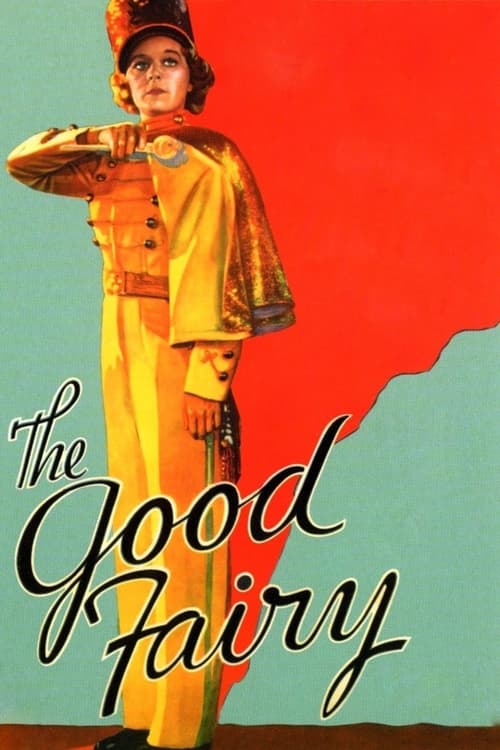
The Good Fairy showtimes, refreshed every morning
Pick your cinema, get a nudge before it leaves screens.
Preston Sturges is the exact opposite of Ayn Rand.

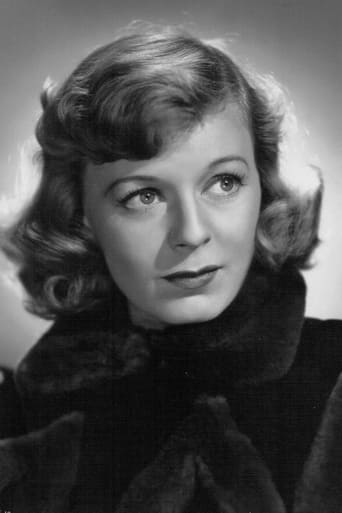
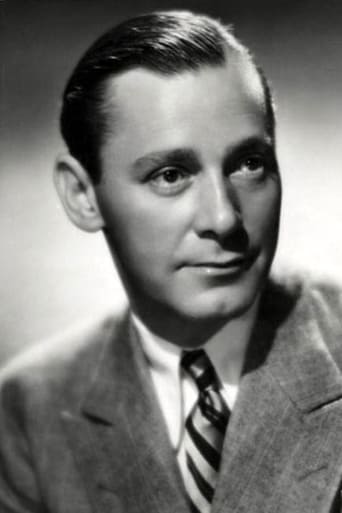
Herb Marshall absolutely losing it over being able to afford a pencil sharpener with a handle! And Margaret Sullavan crying into her genuine foxine! The Good Fairy brightened my day and half-cured my anxiety. Maybe I’ll have some analysis on Wyler & Sturges in the future, but today I just desperately needed this pure joy!

Preston Sturges liked Lubitsch so much he reportedly try to dedicate his first movie to him, so I can only assume he had a blast adapting the kind of Eastern European play that was his specialty and turn it into a much more American farce particularly in the back half. The scenes between Sullavan and Marshall are fantastic, but everyone is great in it. The movie is pitched as an intense series of self fictions duets and it does a great job at sustain them. William Wyler directed at the tail end of his more rewarding period and this has a light but serious touch that is very hard to pull.
An innocent orphan named Luisa tries to do good deeds in Budapest but finds herself caught in a tangle of complications involving a wealthy admirer and a confused doctor.
It was directed by William Wyler in 1935, a prolific filmmaker later famous for major award-winning dramas like Ben-Hur and The Best Years of Our Lives.
While not a major award winner, it remains a celebrated example of the witty, dialogue-heavy screwball comedy genre from the classic Hollywood era.