



12 years a slave more like 12 years of me fucking crying
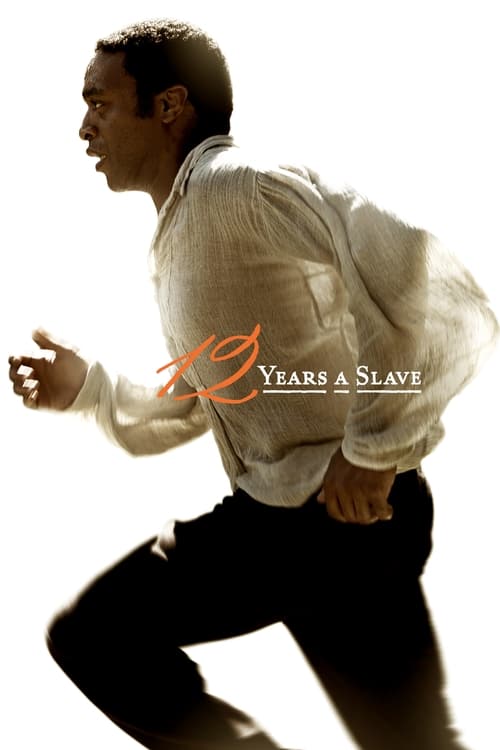
Noord-Amerika negentiende eeuw. Solomon Northup, een ontwikkelde zwarte man met een talent voor muziek, woont met zijn vrouw en kinderen in Saratoga, New York. Op een dag wordt hij ontvoerd en verkocht als slaaf.
12 Years a Slave draait op dit moment niet in de bioscoop.
Volg de film in de app om bericht te krijgen zodra er speeltijden bij komen.
Speeltijden van 12 Years a Slave, elke ochtend ververst
Kies je bioscoop en krijg een seintje voordat de film van het doek verdwijnt.


12 years a slave more like 12 years of me fucking crying

This was not what I was expecting and I mean that in the best way possible.What most of us probably have gotten used to is a sensationalist or manipulative approach in 'big' films that deal with 'big' subjects. And even though 12 Years a Slave has moments where it's guilty of this as well, its overall restrained and distancing, observing tone was something that caught me off guard. Slavery is a subject that deserves the reverence McQueen has given it. Just over a year after the Tarantino cartoon dealt with the same issues, we are now presented with a film that isn't intent on educating or enlightenment. It shows us what we know, slavery is an abhorrent and horrific part of our past, present and, most likely, our future. We know this and more importantly McQueen knows we know. And what he does brilliantly is use that knowledge to turn 12 Years a Slave into a staring contest. A contest that is very hard to win as it forces us to look into the eyes of Solomon Northop and despite everything that happens to him, he will not look away and it is through his eyes that we are forced to face the facts about one of the darkest pages in our race's history.There is a deliberate emotional disconnect in this film that at first frustrated me, but gradually as I let McQueen's textures, beautiful cinematography and calm and deliberate pacing take over I started to feel the full effects of the film. I was starting to feel uncomfortable. Not because I was learning anything new, not because I felt guilt, but because of that dry crack of the whip. The casual nature of the violence, the lack of embellishment around the brutal nature of possessing another human being were starting to get to me. McQueen draws power from a frustrating and sometimes infuriating restraint, something many filmmakers can learn a thing or two from. The bridge between the distancing director and the audience's emotional resonance is built by an outstanding performance from Chiwetel Ejiofor. Amidst a cast that brings their A-game, Ejiofor manages to carry over that same restraint that seems to possess the entire film, thus making his character painfully human. His eyes pour out Solomon's soul, managing to evoke hope, despair, longing and fear in the most haunting way imaginable. It is subtle, yet overwhelming. He is not there for us to connect to, to emphasize with as that is simply impossible. He seems to be there to say 'Look. Look at what we did.' And he makes damn sure we do just that as it is impossible to look away.For all its power, there are also a few problems. I felt the contrast between Solomon's early life and his life as a slave was a bit too simplistic and felt more like a device to enhance what the film is trying to achieve. It didn't need that. Another thing that did not sit well with me is the deus ex machina and far too obvious nature of Pitt's character. Again, it did not need to treat it that way. These are minor qualms though, even though they stand in stark contrast to all the correct choices (in my eyes that is) it makes.12 Years a Slave leaves no room for interpretation. It is what it is, a grim and brutal depiction of an awful slice of history. Or is it? There is one thing that instills the film with a sense of mystery for me. Time. 12 years. It just kept dancing around in my thoughts. What follows is pure speculation and interpretation on my part. If I were to dig up a picture of myself from 12 years ago and compare it to what I look like today, the passage of time would most definitely be apparent. If you look at Solomon at the start of the film and the end, spanning a period of 12 years, he has hardly changed. I felt that in a film as meticulously crafted as this one, that must mean something. The way I see it is that his absence of change symbolises his one constant factor, his unwavering desire to live, not just to survive, but to live. He waits, chooses his moments and he waits for a chance to be reunited with his family. His hope drives him, gives him energy and power. Throughout the horrors he endures we are given instances where his resilience wavers, only to be renewed when he finds small pleasures in a sea of woes. It is only when he actually is reunited with his family where we see the true passage of time. His children, grown up, a life behind them cause him to apologize for his appearance. And like his children, we see him still as he was in the beginning. Hope is a powerful thing. And when I look back at this film, for all its brutality and unflinching honesty, it is that sentiment that is truly inspiring, making this powerful film even more powerful than it already was.

That last scene = tears everywhere.
12 Years a Slave ([object Object], [object Object], 2013) is Noord-Amerika negentiende eeuw.
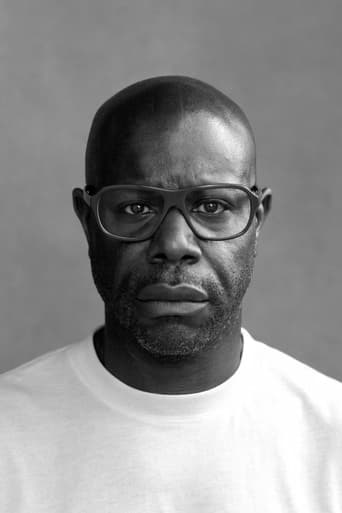
12 Years a Slave is geregisseerd door Steve McQueen.
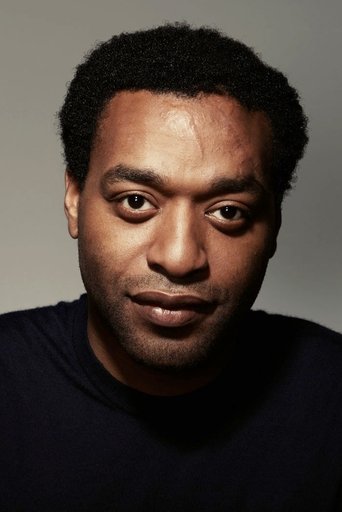
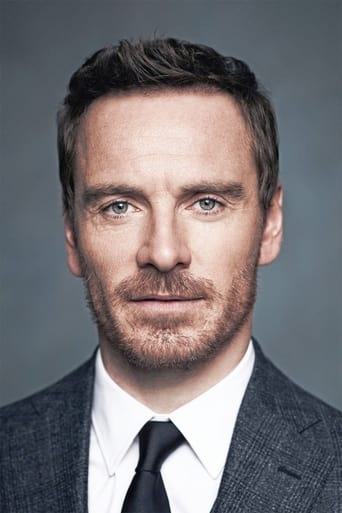
In 12 Years a Slave spelen Chiwetel Ejiofor, Michael Fassbender, Lupita Nyong'o, Benedict Cumberbatch, Paul Dano.
12 Years a Slave heeft een beoordeling van 4.2 op 5, gebaseerd op 763.634 beoordelingen.