



A sprawling historical drama that can be a bit difficult to follow, but remains engaging throughout.
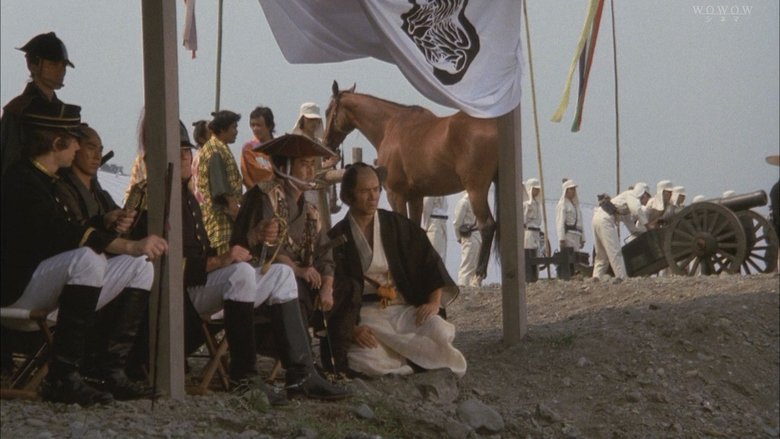
The film depicts carnivalesque atmosphere summed up by the cry "Ei ja nai ka" ("Why not?") in Japan in 1867 and 1868 in the days leading to the Meiji Restoration. It examines the effects of the political and social upheaval of the time, and culminates in a revelrous march on the Tokyo Imperial Palace, which turns into a massacre. Characteristically, Imamura focuses not on the leaders of the country, but on characters in the lower classes and on the fringes of society.
Eijanaika draait in 1 bioscoop in London - eerstvolgende voorstelling zaterdag 28 november om 15:00 in Institute of Contemporary Arts.
Volgende voorstellingen: zaterdag 28 november.
Volledig programma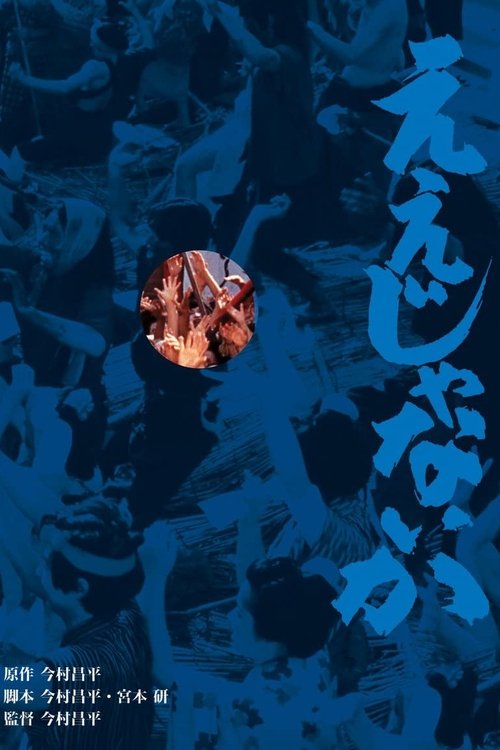
Speeltijden van Eijanaika, elke ochtend ververst
Kies je bioscoop en krijg een seintje voordat de film van het doek verdwijnt.
A sprawling historical drama that can be a bit difficult to follow, but remains engaging throughout.

I'm a fan of slow cinema & feel certain one of these days I'll stop being bored and learn to love Yasujiro Ozu.* Instead of finding his mise en scene precious, I'll view it as delicate and profound; instead of feeling stifled, my soul will open to the economies of human experience ... until then, I remain firmly on Team Imamura. Eijanaika's one of his best, up there w/Vengeance is Mine and Profound Desires of the Gods.** One of these days I'll also get around to a fuller appreciation of Imamura's teeming surfaces & clashing depths - until then, Criterion channel has a decent assemblage of his films still up. (Cinema retros seem harder to come by these days, but Imamura's overstuffed widescreen energy benefits greatly from the larger experience.)__________________________* Ouch, I corrected stupid mistake - apologies!** If I'm remembering correctly PT Anderson's The Master steals a fun bit from Eijanaika when a sailor, arriving home, embraces terra firma. The title translates to "why not," but at least on this view, "fuck it" seems truer to its odds-against, rebellious spirit.

A preemptive primer on the Meiji Restoration wouldn't hurt, because Imamura's not interested in history lessons, and would rather jump straight into the day-by-day chaos of the era rather than the broader historical sweep. Even at 2.5 hours the energy never flags--Imamura's like a sprinter who says fuck the finish line and just keeps running out the door--and the mise en scene is almost constantly overstuffed, bursting with peripheral motion and bold color contrasts (take your shibui and shove it). Depicts poverty and marginality at its most thrilling: everyone constantly hustling, scamming, scheming, having sex in cramped quarters so the neighbors can hear, getting into fights, committing petty crimes. Energy is everything in this filmic universe, and the fire that poverty lights under one's ass to get out there and make moves (your survival depends upon it) is one hell of an energy source. That this devolves into non-narrative bacchanalia at times is actually a strength: not only as historical-ish verisimilitude (?), but as the inevitable endpoint to Imamura's ecstatic ode to grime.
De film toont de carnavaleske sfeer en de sociale onrust in Japan in 1867 en 1868, leidend tot de Meiji-restauratie, en volgt personages uit de lagere klasse die meegesleurd worden in de historische stroom.
Eijanaika werd in 1981 geregisseerd door Shōhei Imamura, bekend om zijn rauwe verkenningen van de randen van de Japanse samenleving.
Eijanaika werd uitgebracht in Japan op 14 maart 1981.