

In the first five minutes evil conductor Ernest Borgnine pushes a man onto the railroad tracks and the train cuts him in half, and then Lee Marvin beats up a guy with a live chicken. Why isn't everyone talking about this movie all the time
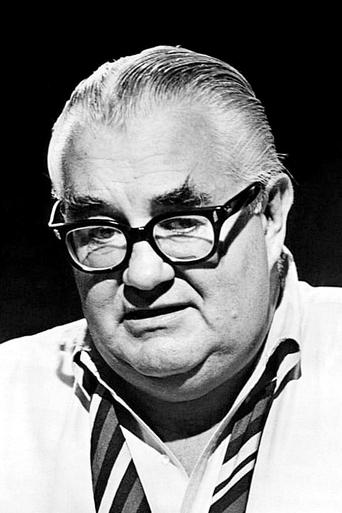
Geregisseerd door Robert Aldrich
Tijdens de depressie in de jaren 30 zwerven veel daklozen rond met behulp van de trein. Deze mensen worden 'hobos' genoemd. De sadistische conducteur Shack haat deze mensen intens en gooit hen het liefst al rijdend uit de trein.
Emperor of the North draait in 1 bioscoop in New York City - eerstvolgende voorstelling zondag 22 november om 17:10 in Metrograph.
Volgende voorstellingen: zondag 22 november.
Volledig programma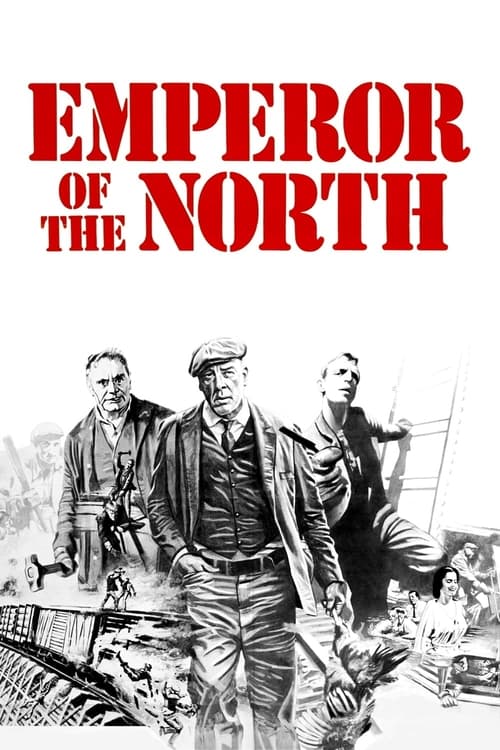
Speeltijden van Emperor of the North, elke ochtend ververst
Kies je bioscoop en krijg een seintje voordat de film van het doek verdwijnt.
In the first five minutes evil conductor Ernest Borgnine pushes a man onto the railroad tracks and the train cuts him in half, and then Lee Marvin beats up a guy with a live chicken. Why isn't everyone talking about this movie all the time

This is just good for the soul, a capitalist critique that doubles as just a straight-up action yarn with a totally unique setting and trappings. Lee Marvin hits a kid with a chicken.

"Country's gone to hell"I’m getting to the point where I feel like I have to write a book on Robert Aldrich—no filmmaker makes every cut, close-up, and gesture feel so violent, so alive in the DNA of his filmmaking. The more and more films I see I’m struck by his lack of a sense of decency he never he begins to consider. He’s a kid who sees a scab, picks at it, and then gets tweezers to pull back even more skin until blood is everywhere. His hobos versus railway men film here is an apotheosis of this: A big period piece picture taken over from Pekinpah in which the amorality of the depression leads to a set of games for men to prove their men, or just because they really like violence (I swore Borgnine’s eyes were going to pop out of his head). The sequences here are intense and haunting—there’s particularly one reel of an early morning game in which the fog is intensely thick (which makes it terrific to see on 35mm), and it goes on for like fifteen slowly ratcheted minutes with giddy delight. The later violent fights are both brutally alive and brutal to watch. Alain Silver writes, “The graphic brutality of the combat is most disquieting, both for its images and for its revelation that the game is far deadlier than the player let on.” But there is humor here too—the father-son dynamic between Marvin and baby face Caradine (and a nice kick to the resolution — “You got no class kid!”), the baptism scene, the chicken stealing scene that leads to the community of hobos. Aldrich has a twisted mind. The only morals here are pride, and these men go to whatever lengths to not prove their own worth, but make the other guy look like shit. North is much more potent here than the more political leaning Ulzana’s or Twilight’s (both truly exceptional pictures but for very different reasons). Yes. Aldrich endorses violence, and all the better for it.The title song is pretty god awful, however.
Hobo's tijdens de Grote Depressie ontmoeten een brute treinconducteur die zijn trein gewelddadig patrouilleert om te voorkomen dat iemand gratis meereist.
Het werd in 1973 geregisseerd door Robert Aldrich, een gerenommeerde Amerikaanse filmmaker bekend om zijn rauwe, anti-autoritaire cinema.
Het is geclassificeerd als PG in de Verenigde Staten.