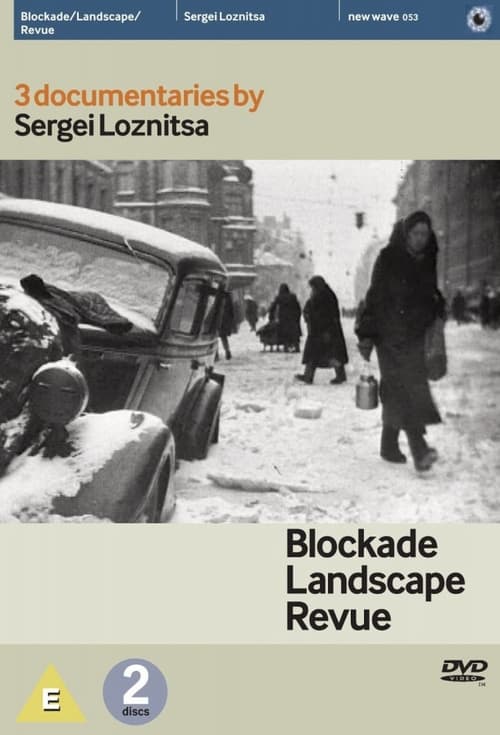


"Even more impressive was Loznitsa’s next film, Landscape. His first film in colour, it extended his formalist concerns through a series of virtuosic left-to-right pans around rural Russians, waiting at a village bus-stop. The uninterrupted circular motion introduces the precisely choreographed camera movement which would become a trademark, but the most important novelty compared to previous work was that the people on-screen were now given a voice. A soundtrack of multiple conversations, chattering about variously grim topics from alcoholism to neighbours beating their wives, was juxtaposed over the images without us ever being sure who is speaking, giving a dizzying sense that these utterances are coming from nowhere in particular, or may be internal thoughts. Again, the lack of young faces in the crowd was a reminder of mass migration to urban areas in Russia, making Loznitsa’s formal tour-de-force a Bruegel-ian, even at times Bosch-ian, canvas of a marginalised social underclass."cinescopeblog.wordpress.com/2015/12/11/masters-of-modern-world-cinema-sergei-loznitsa/