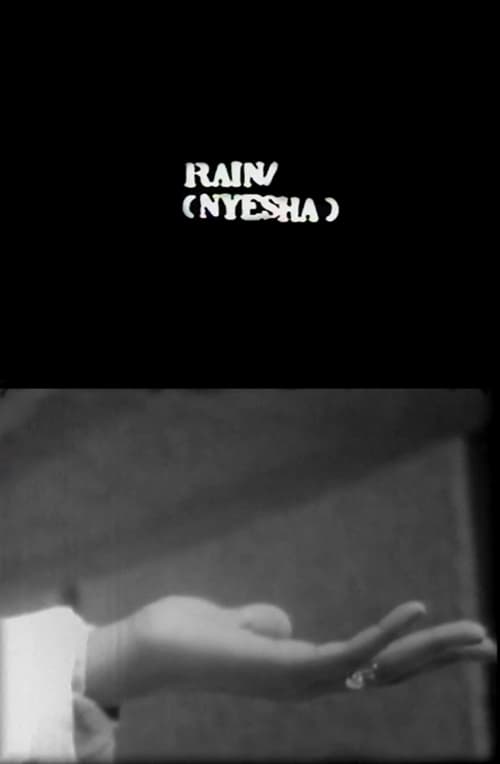
Director Melvonna Ballenger’s Rain (Nyesha) shows how awareness can lead to a more fulfilling life. In the film, a female typist goes from apathetic to empowered through the help of a man giving out political fliers on the street. Using John Coltrane’s song “After the Rain,” Ballenger’s narration of the film meditates on rainy days and their impact. The rain in this short film doesn’t signify defeat, but offers renewal and “a chance to recollect, a cool out.”
i’m not usually a fan of movies that are more message than plot so i was a little hesitant when it came to watching l.a. rebellion films for my class but i sort of vibed with this one. very much an amateur student film but in some ways that added to the charm. also, the first line of dialogue is literally “oh, i don’t feel like getting up today” and girl, that is so real!!
Sally Jane Black
Grainy invisible rain drops pierce umbrellas and storm clouds erupt with moods. "Don't they know it's gonna storm out here." From depression to anger, the weather simply emphasizes the narration, and the music merely emphasizes the rain.52 project: 33/52February count: 13/28
Marya E. Gates4.5
Rain as a metaphor for cleansing, renewal, and personal/political growth. Truly beautiful filmmaking.
Veelgestelde vragen
Waar gaat Rain (Nyesha) over?+
Rain (Nyesha) volgt een vrouwelijke typiste die overgaat van apathie naar empowerment, met de hulp van een politieke flyer-distributeur op een regenachtige dag in Los Angeles.
Wie regisseerde Rain (Nyesha)?+
Rain (Nyesha) werd in 1978 geregisseerd door Melvonna Ballenger als een vroeg studentenwerk aan de UCLA.
Wanneer werd Rain (Nyesha) in de VS uitgebracht?+
Rain (Nyesha) werd op 1 januari 1978 in de Verenigde Staten uitgebracht.