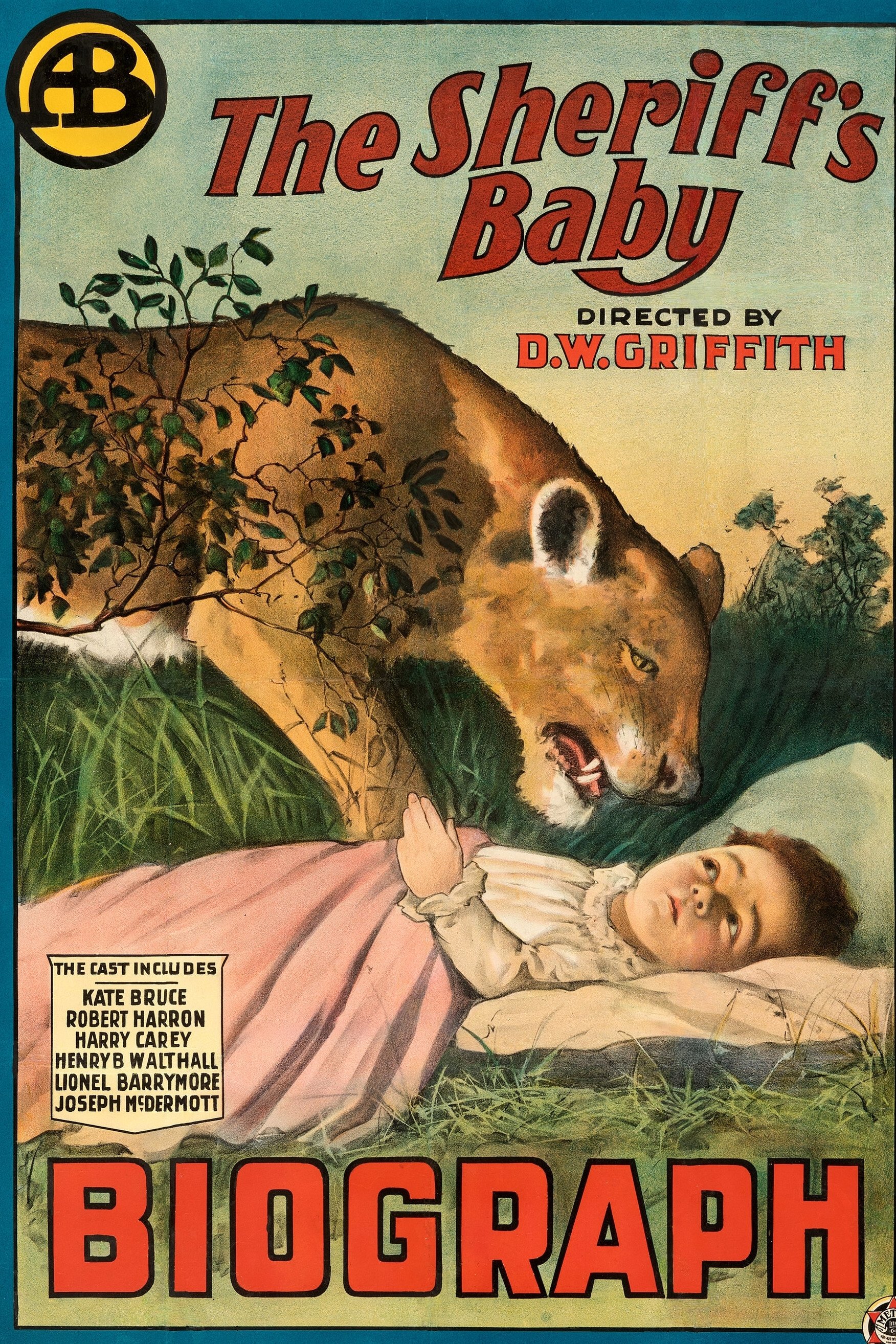


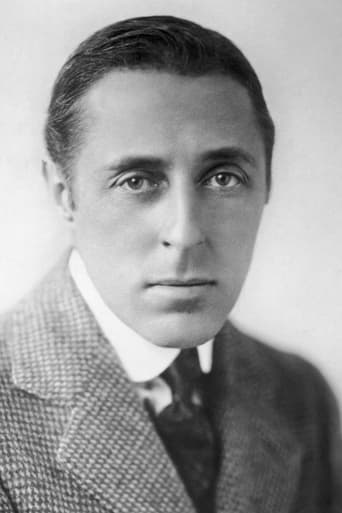
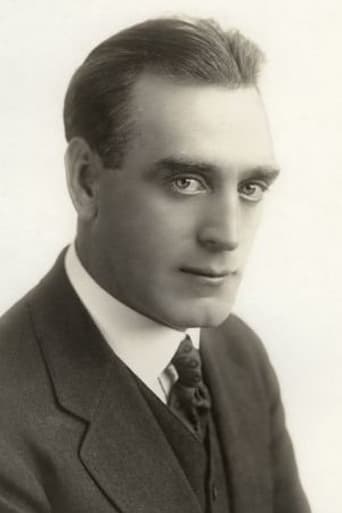
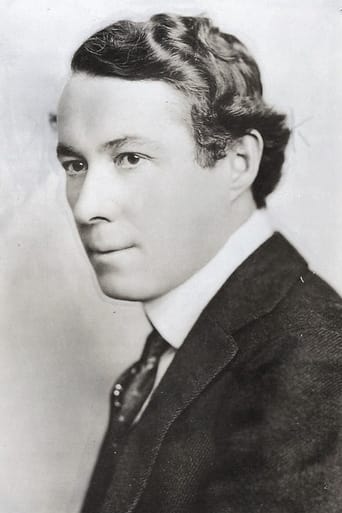
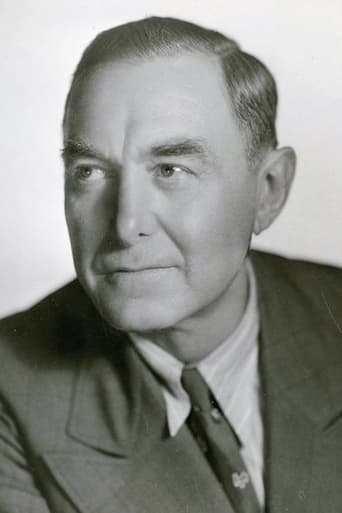
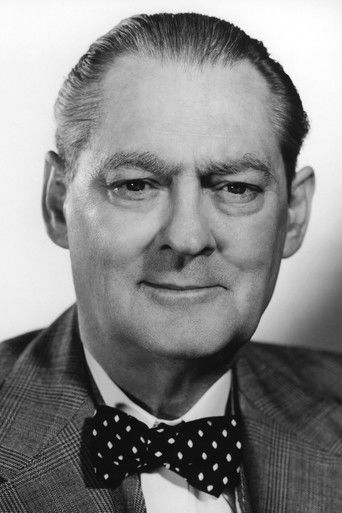

If you know any of the various adaptations of Peter B. Kyne’s novel The Three Godfathers, then this first, uncredited version directed by D.W. Griffith may be of interest. (Kyne’s story first appeared in the November 23, 1912 issue of the Saturday Evening Post, so it’s certainly possible that Griffith cribbed from it just a couple of months later.) Like the later, official adaptations, it tells the story of a trio of outlaws who rescue an orphaned baby after a botched bank robbery. Two of them die trying to save the tyke, but together, their efforts redeem the surviving third. It turns out that the baby’s father is the sheriff pursuing them. He’s so grateful at being reunited with his child that he lets the “good bad” man get away.Frankly, it’s not one of Griffith’s better films of the period. He indulges some of his worst instincts as a director, such as letting the camera linger on a closeup of the baby, convinced that its innocent cuteness is enough to retain viewers’ interest. The actors playing the baby’s guardians die — of thirst? — in the most exaggerated way possible. There’s also a random shot of a bear that doesn’t seem to serve a purpose apart from (perhaps?) emphasizing the dangers of frontier life.Still, film buffs will enjoy watching relatively young versions of Henry B. Walthall, Harry Carey, and Lionel Barrymore play the outlaws. Carey’s presence is particularly notable because he went on to star in two more silent adaptations of the same story. Moreover, John Ford’s 1948 adaptation is dedicated to his memory and costars his son Harry Carey Jr.