
Plato
Writing
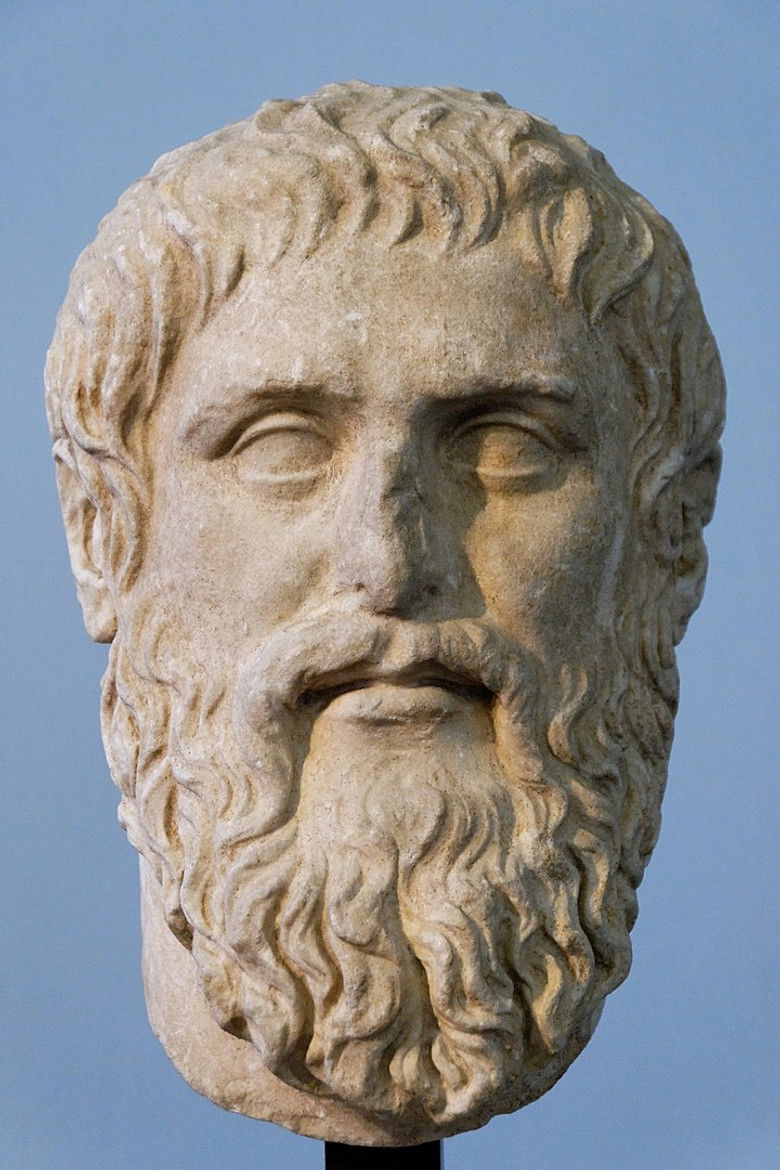
Plato (/ˈpleɪtoʊ/ PLAY-toe; Greek: Πλάτων), born Aristocles (Ἀριστοκλῆς; c. 427 – 348 BC), was an ancient Greek philosopher of the Classical period who is considered a foundational thinker in Western philosophy and an innovator of the written dialogue and dialectic forms. He raised problems for what became all the major areas of both theoretical philosophy and practical philosophy, and was the founder of the Platonic Academy, a philosophical school in Athens where Plato taught the doctrines that would later become known as Platonism. Plato's most famous contribution is the theory of forms (or ideas), which has been interpreted as advancing a solution to what is now known as the problem of universals. He was decisively influenced by the pre-Socratic thinkers Pythagoras, Heraclitus, and Parmenides, although much of what is known about them is derived from Plato himself. Along with his teacher Socrates, and Aristotle, his student, Plato is a central figure in the history of philosophy. Plato's entire body of work is believed to have survived intact for over 2,400 years—unlike that of nearly all of his contemporaries. Although their popularity has fluctuated, they have consistently been read and studied through the ages. Through Neoplatonism, he also greatly influenced both Christian and Islamic philosophy. In modern times, Alfred North Whitehead famously said: "the safest general characterization of the European philosophical tradition is that it consists of a series of footnotes to Plato."
Voorstellingen met Plato die nu spelen
Nu op het podium1
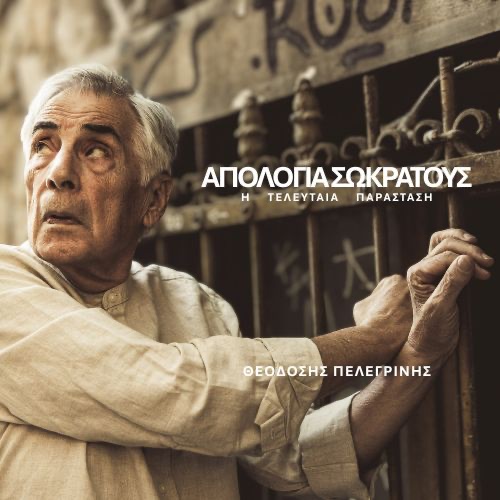
Filmografie van Plato
Filmografie10

Weet wanneer de volgende film van Plato uitkomt
Volg één keer, wij laten het weten zodra hij in de bioscoop draait.


Veelgestelde vragen
Wie is Plato?+
Plato was een oud-Griekse filosoof uit de klassieke periode en oprichter van de Platonische Academie in Athene, wiens fundamentele geschriften talloze filmadaptaties hebben geïnspireerd.
Waar staat Plato om bekend?+
Hij is vooral bekend als pionier van de geschreven filosofische dialoog en de theorie van de ideeën, waarbij zijn werken zijn vertaald naar filmprojecten zoals The Apology of Socrates en Death.