Cinemas
Gianni Amelio
Director
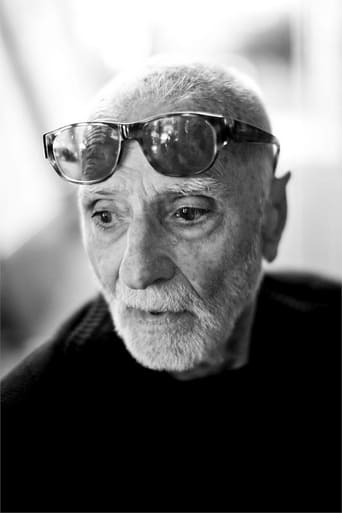
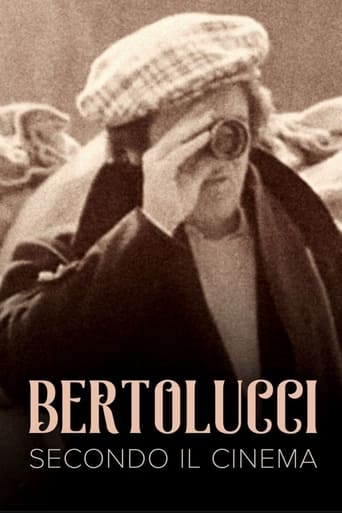
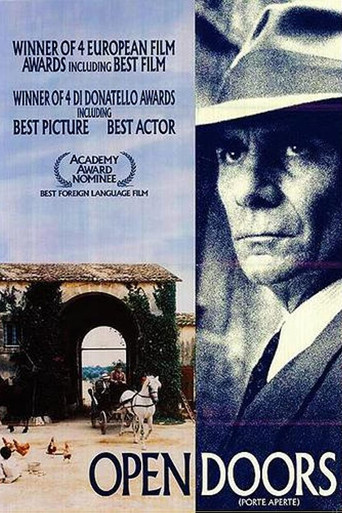
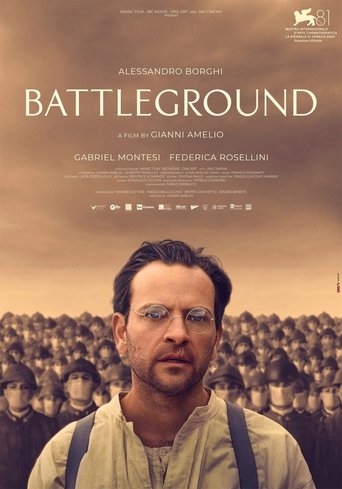
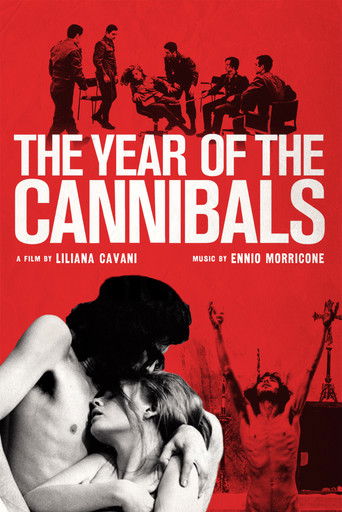
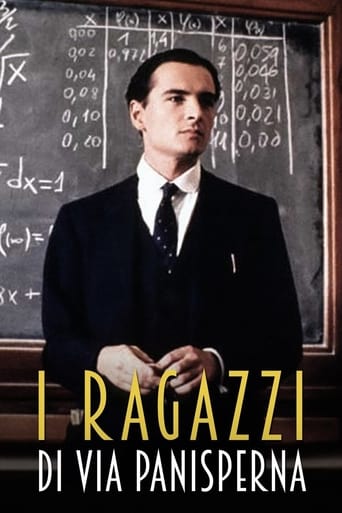
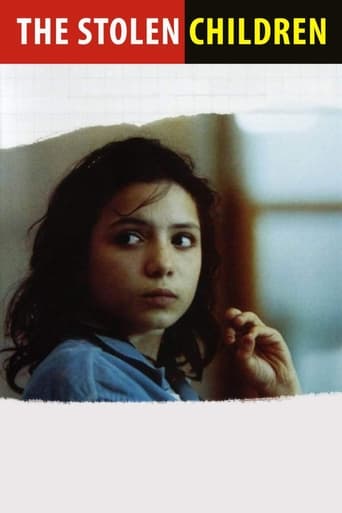
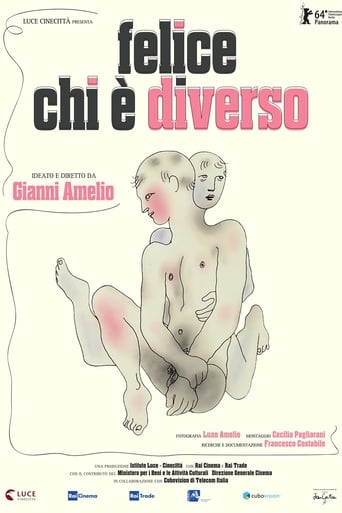
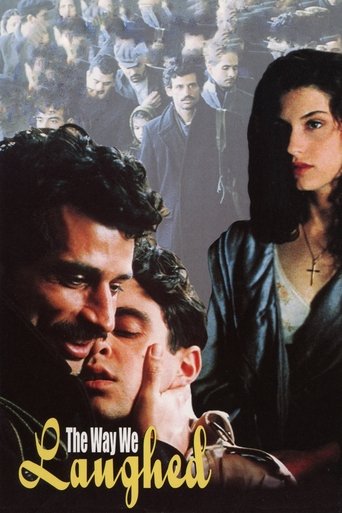
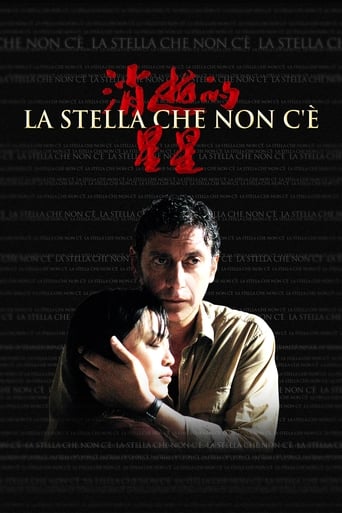
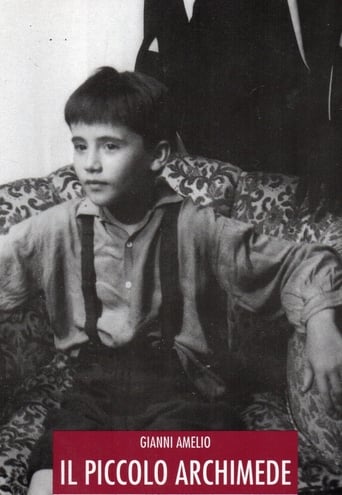
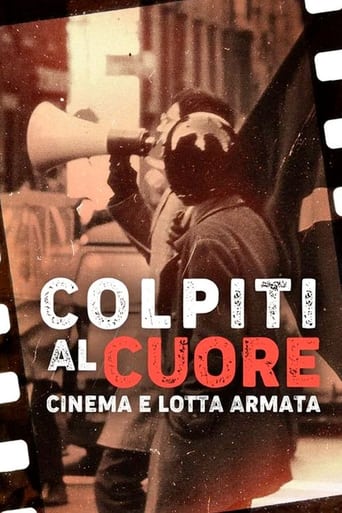
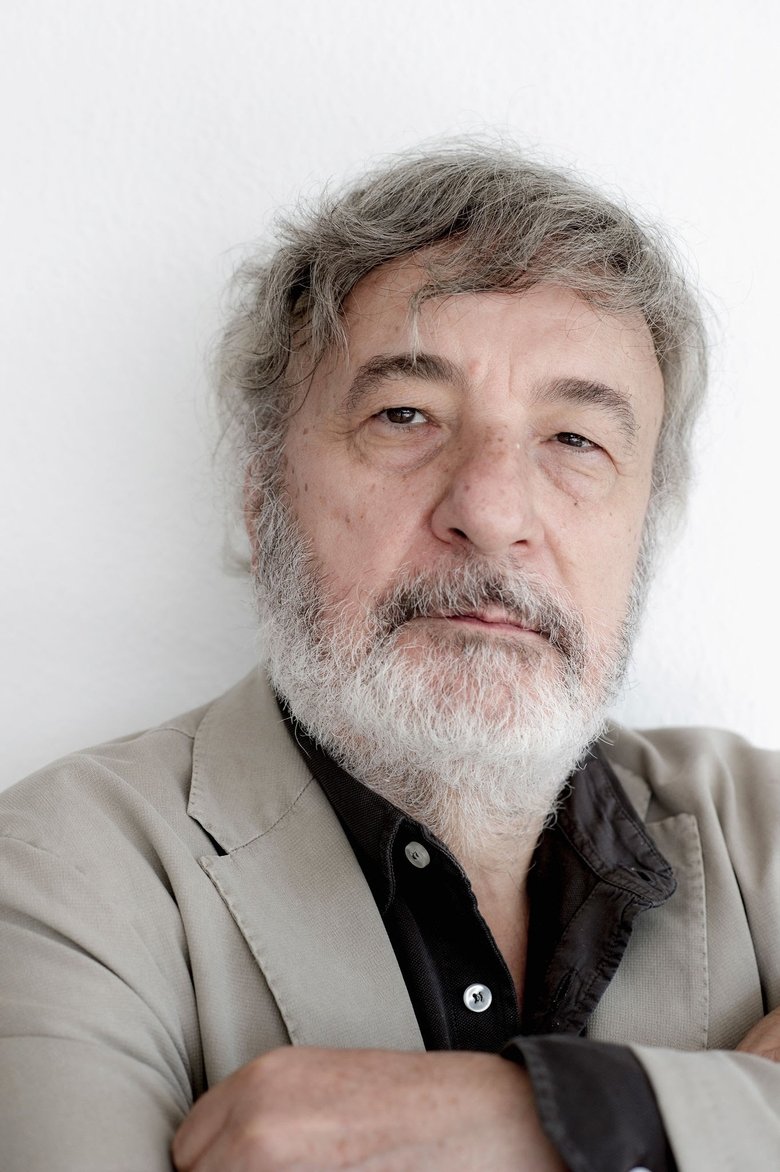
Gianni Amelio (born 20 January 1945; Catanzaro) is an Italian film director. His film "The Way We Laughed" (1998) won a Golden Lion at the 55th Venice Film Festival. Amelio was born in San Pietro di Magisano, province of Catanzaro, Calabria. His father moved to Argentina soon after his birth. He spent his youth and adolescence with his mother and his grandmother. The absence of a paternal figures will be a constant in Amelio's future works. During his university studies of philosophy in Messina, Amelio got interested in cinema, writing as film critic for a local magazine. In 1965 he moved to Rome, where he worked as operator and assistant director for figures such as Liliana Cavani and Vittorio De Seta. He also worked for television, directing documentaries and advertisements. Amelio's first important work is the TV film "Sun City", directed in 1973 for RAI TV and inspired to Tommaso Campanella's work. This was followed by "The Cinema According to Bertolucci" (1976) a documentary about "1900" shooting, and the thriller "Special Effects" (1978). Two years later he directed the mystery "Death at Work" (1978), which won prizes at Locarno and Hyères festivals. "The Little Archimedes" of 1979 was also critically acclaimed. In 1982 he debuted for cinema proper with "Blow to the Heart" (1982), about Italian terrorism, presented at the Venice Film Festival. In 1987 Amelio released "Via Panisperna Boys", about the lives of 1930 Italian physicists such as Enrico Fermi and Edoardo Amaldi, which won the award for best screenplay at the Bari Film Festival. 1989's "Open Doors", featuring Gian Maria Volonté, confirmed Amelio's status as one of Italy's best film directors and won a nomination as Best Foreign Film at 1991 Academy Awards. The film received also four Felix, two Silver Ribbon, four David di Donatello and three Golden Globes awards. Also successful was "The Stolen Children" in 1992, which won the Special Prize of Jury at the 1992 Cannes Film Festival plus two Silver Ribbon and 5 David di Donatello. In 1994 "Lamerica", about Albanian immigration in Italy, repeated the fate and the success, with 2 Silver Ribbons and 3 Davids. Four years later, "The Way We Laughed" won the Golden Lion at the Venice Film Festival. Amelio gained another Silver Ribbon as best director for "The Keys to the House", inspired to a novel by Giuseppe Pontiggia, of 2004. Amelio was a member of jury at the Cannes Film Festival in 1995. In 2006 he released his eighth feature film, "The Missing Star", featuring Sergio Castellitto. From 2009 to 2012 he has been director of Torino Film Festival, Turin. Amelio came out as gay late in life, shortly before the release of his 2014 documentary "Happy to be Different".
Gianni Amelio filmography
Filmography36






Know the day Gianni Amelio's next film opens
Follow once, we'll tell you when it reaches cinemas.


Common questions
Who is Gianni Amelio?+
Gianni Amelio is a veteran filmmaker and screenwriter who began his career in television before rising to prominence in European festival circles.
What is Gianni Amelio known for?+
He is recognized for his socially conscious narratives, exemplified by works such as The Stolen Children, which won the Jury Prize at Cannes, and his Venice Golden Lion-winning film, The Way We Laughed.
What themes appear in his work?+
His filmography frequently examines paternal absence, political history, and the experience of marginalized individuals in society.