Cinemas
EN
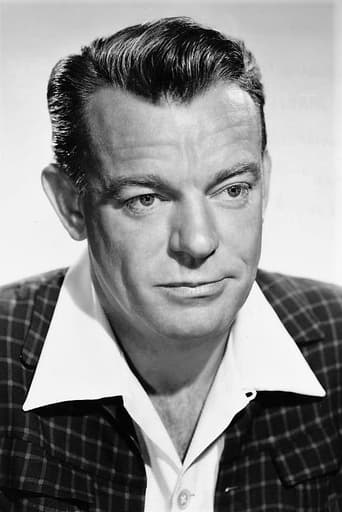
Ethel Clayton
Actor
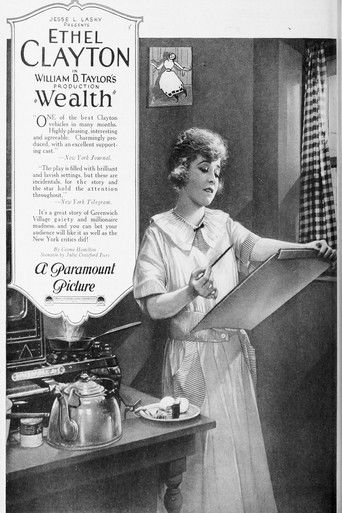
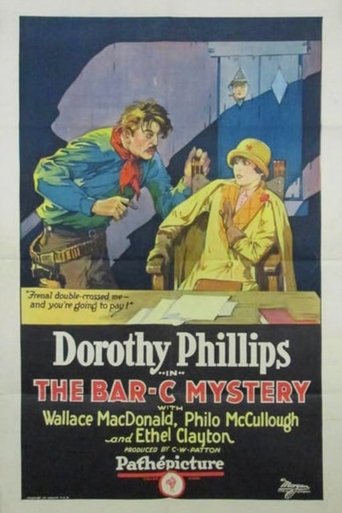
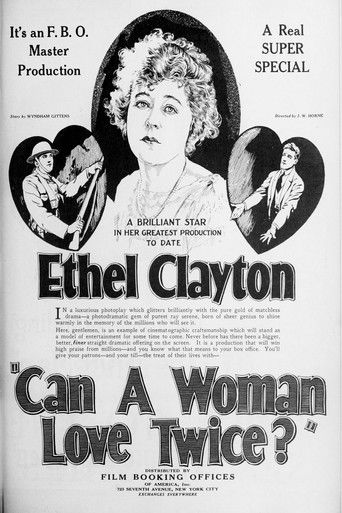
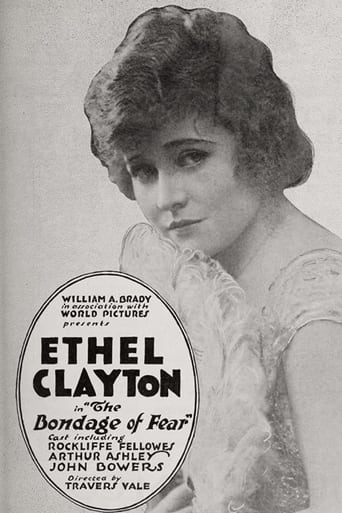
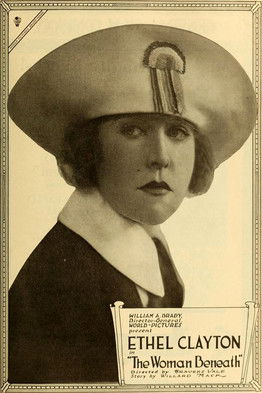
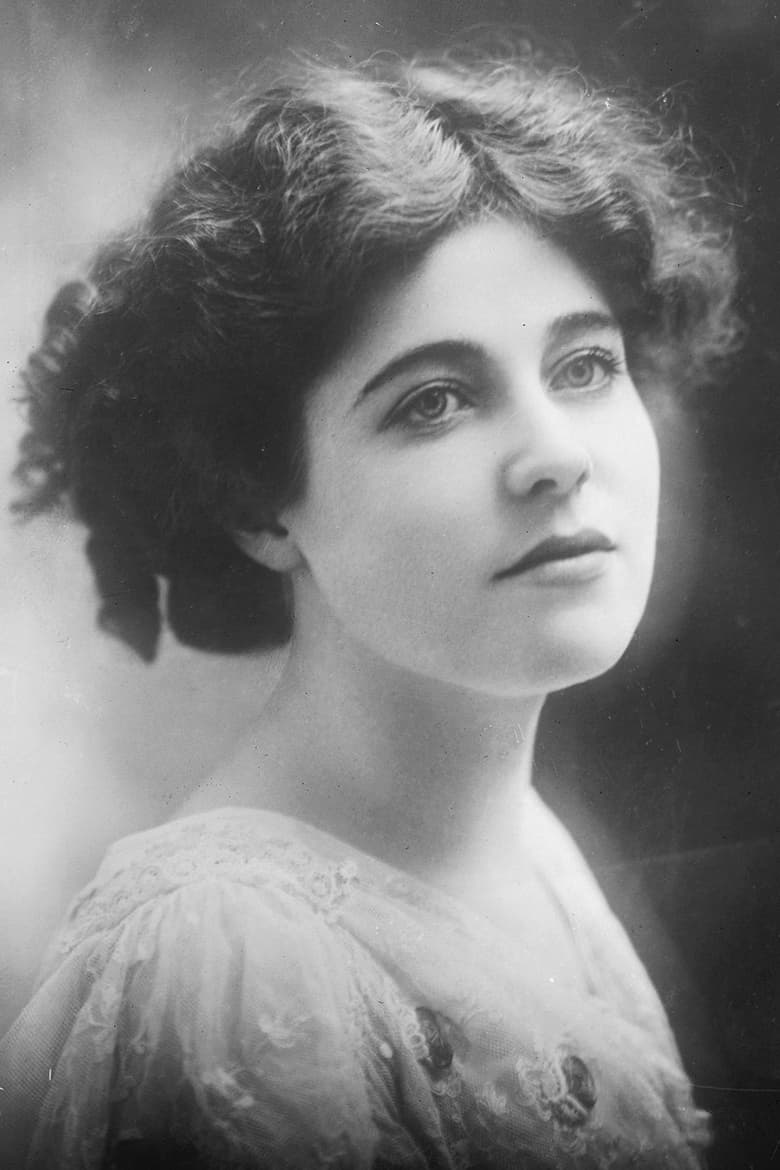
From Wikipedia Ethel Clayton (November 8, 1882 — June 6, 1966) was an American actress of the silent film era. Clayton's screen debut came in 1909, in a short called Justified. She jockeyed her early film appearances with a burgeoning stage career. Her pretty blond looks were reminiscent of the famous Gibson Girl drawings by Charles Dana Gibson. On the stage she appeared mainly in musicals or musical reviews such as The Ziegfeld Follies of 1911. These musical appearances indicate a singing talent Clayton may have possessed but went unused in her many silent screen performances. In 1912 she appeared in "The Country Boy" on stage at the Lyceum Theatre in Rochester New York and made her feature length film debut in For the Love of a Girl. The film was directed by Barry O'Neil. She was cast with Harry Myers, Charles Arthur, and Peter Lang. She was also directed by William Demille, Robert G. Vignola, George Melford, Donald Crisp, Dallas M. Fitzgerald, and Clifford Sanforth. Like many silent film actors Clayton's career was hurt by the coming of sound to motion pictures. She continued her career in small parts in movies until she retired in 1948. Her screen credits number more than 180. Clayton was first married to actor-director Joseph Kaufman until his death in 1918 in the Spanish Influenza epidemic. She later married silent film actor and former star Ian Keith twice and they divorced twice. In both cases Clayton cited cruelty and excessive drinking. Clayton and Keith were first married in Minneapolis in 1928 and first separated on January 13, 1931. Ethel Clayton died on June 6, 1966 at St. John's Hospital in Oxnard, California, aged 83. She was buried at Ivy Lawn Memorial Park in Ventura, California. For her contributions to the motion picture industry, Ethel Clayton has a star on the Hollywood Walk of Fame.
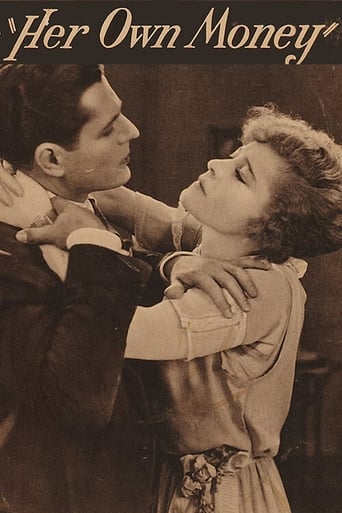
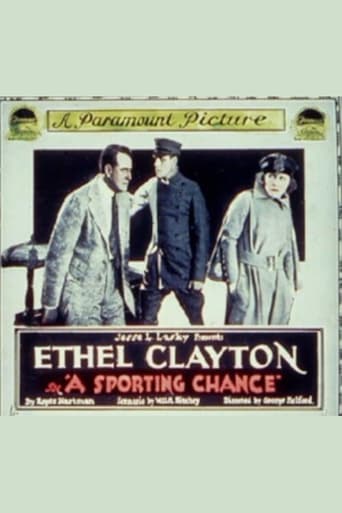
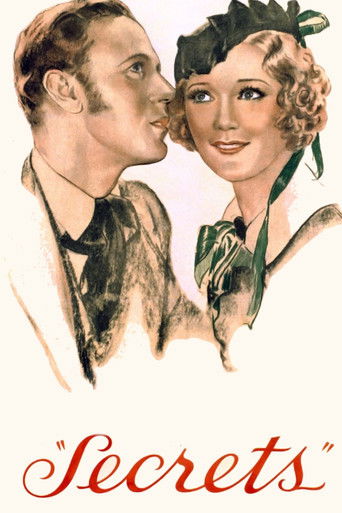
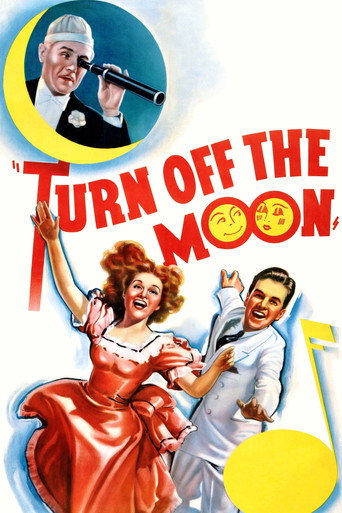
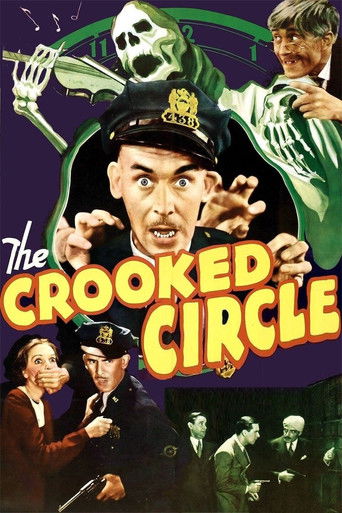
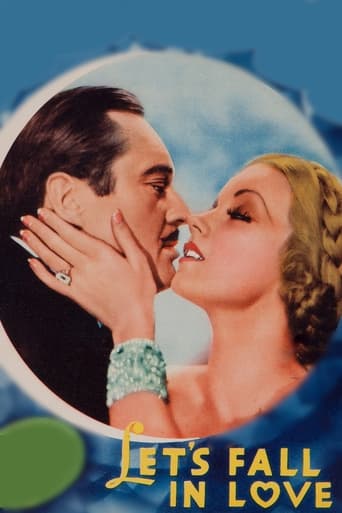
Ethel Clayton filmography
Filmography106
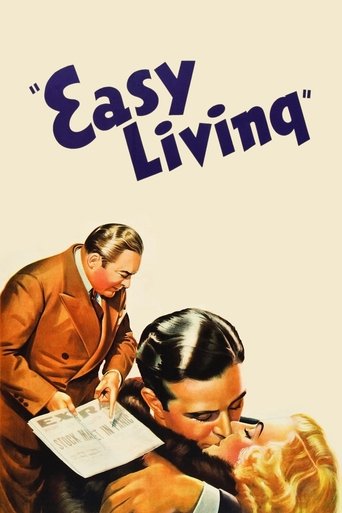
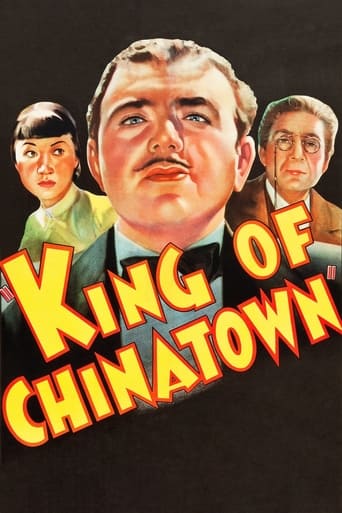
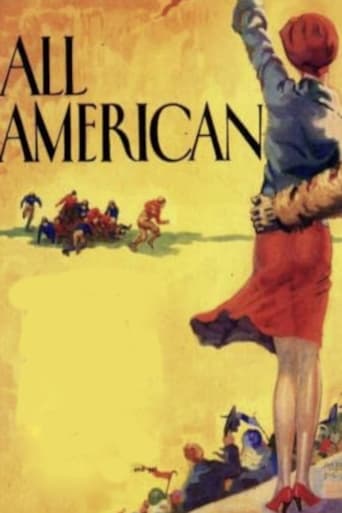

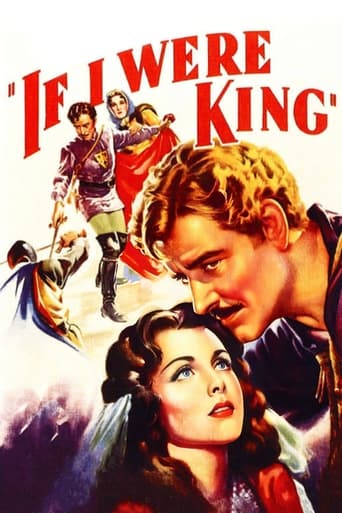
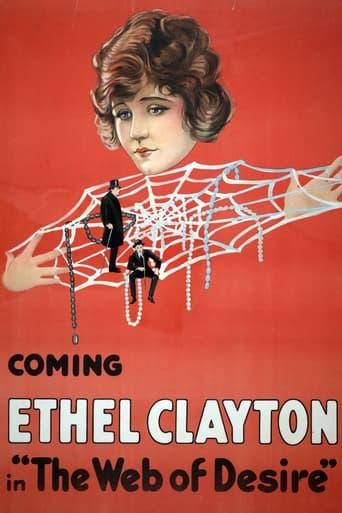
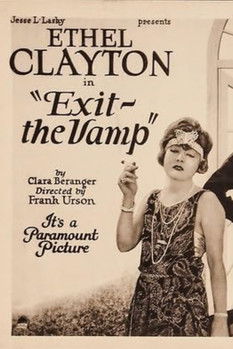


Know the day Ethel Clayton's next film opens
Follow once, we'll tell you when it reaches movie theaters.


Common questions
Who is Ethel Clayton?+
Ethel Clayton was an American performer who rose to prominence during the silent film era, known for her transition from stage musicals to a prolific screen career with over 180 credits.
What is Ethel Clayton known for?+
She is primarily recognized for her leading roles in silent motion pictures and her later supporting work in classic Hollywood studio productions.
Where can I find her work?+
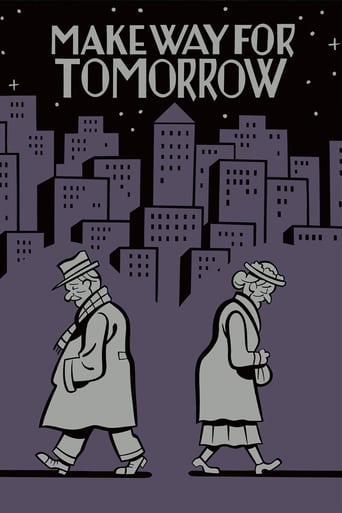
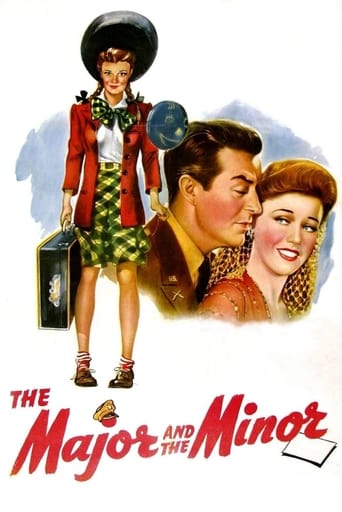
Many of her silent-era films are held in archival collections, while her later sound-era appearances can be found in films such as The Major and the Minor and Make Way for Tomorrow.