Cinemas
EN
Mario Martone
Director
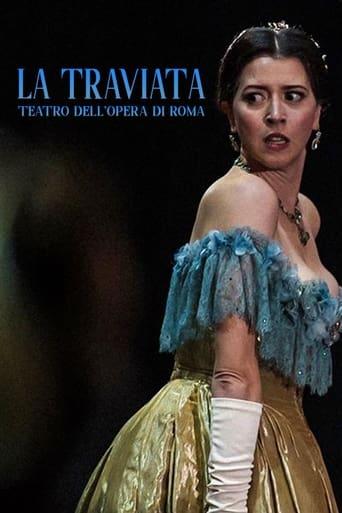
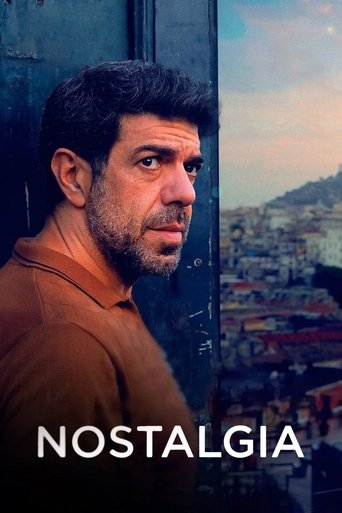
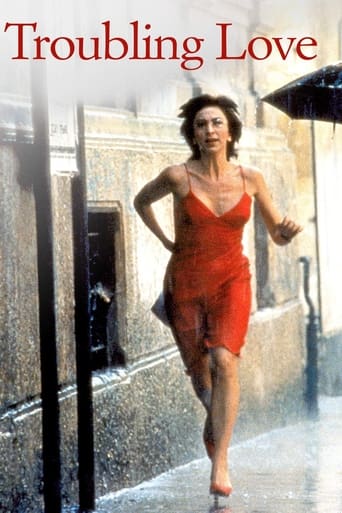
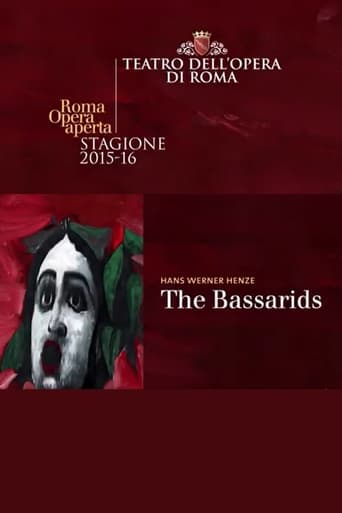
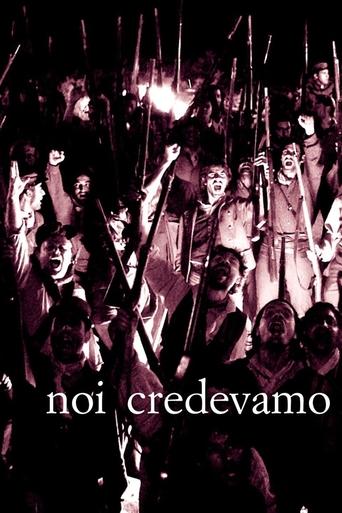
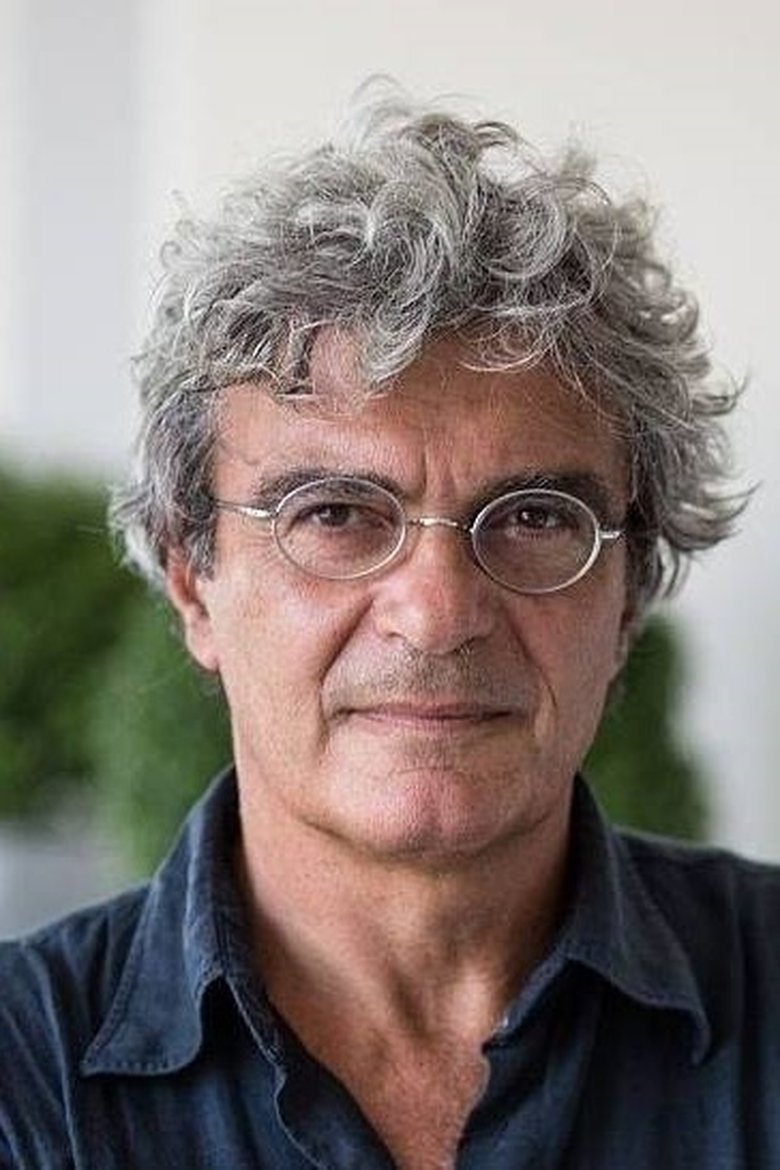
Mario Martone (born 20 November 1959; Naples) is an Italian film/theatre director and screenwriter. He has directed more than 30 films since 1985. His film "Troubling Love" (1995) was entered into the 48th Cannes Film Festival. His film "We Believed" (2010) competed for the Golden Lion at the 67th Venice International Film Festival. His film "Nostalgia" (2022) entered into the 75th Cannes Film Festival for the first time in 24 years. He was the stage director for Lorenzo Ferrero's opera Charlotte Corday, which was premiered at Teatro dell'Opera di Roma on 21 February 1989.
Mario Martone filmography
Filmography80

Know the day Mario Martone's next film opens
Follow once, we'll tell you when it reaches movie theaters.


Common questions
Who is Mario Martone?+
Mario Martone is an acclaimed Italian film and theater director born in Naples, recognized as a pivotal figure in the 1990s Neapolitan New Wave alongside contemporaries like Paolo Sorrentino.
What is Mario Martone known for?+
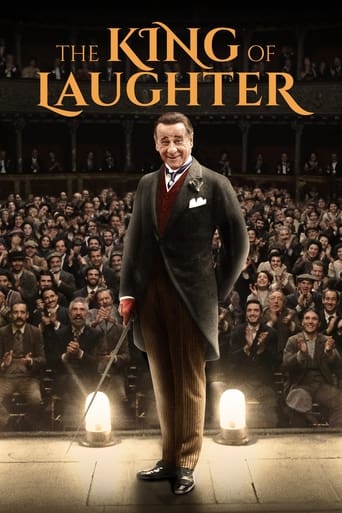
He is known for his extensive filmography including Nostalgia, The King of Laughter, and Death of a Neapolitan Mathematician, as well as his background in experimental theater.
Which theater company is Mario Martone associated with?+
He founded the Falso Movimenti theater company in 1977, which served as the foundation for his stylistic approach to bridging theatrical performance and cinematic storytelling.