William Sylvester
Actor
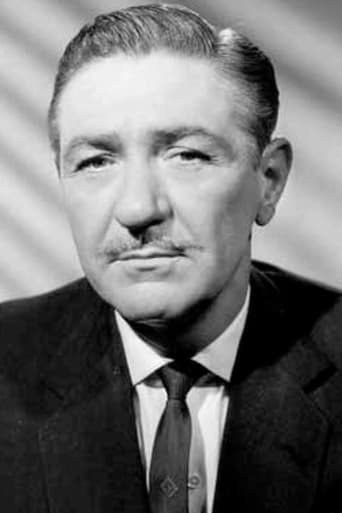
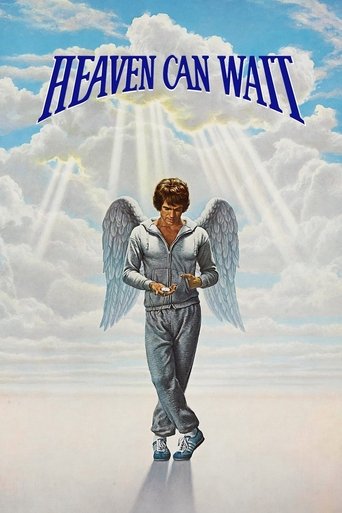
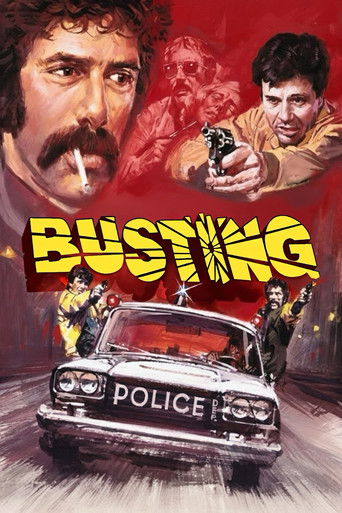
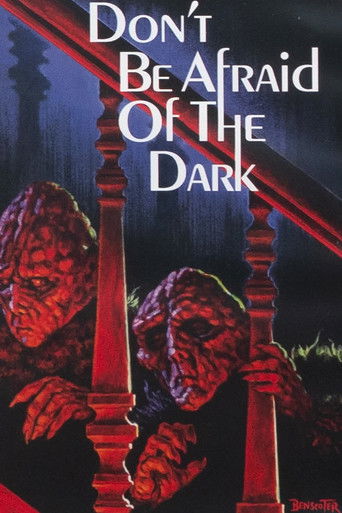
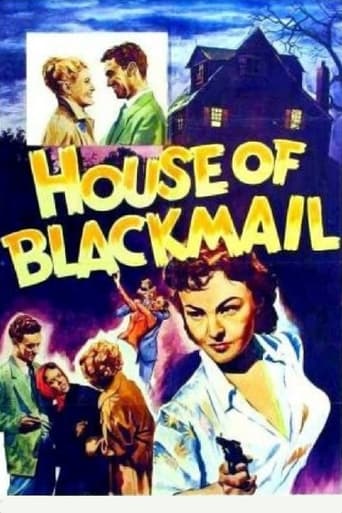
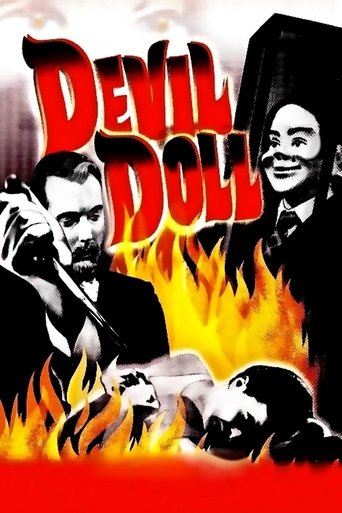
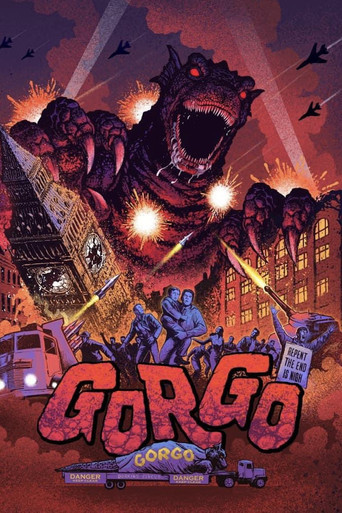
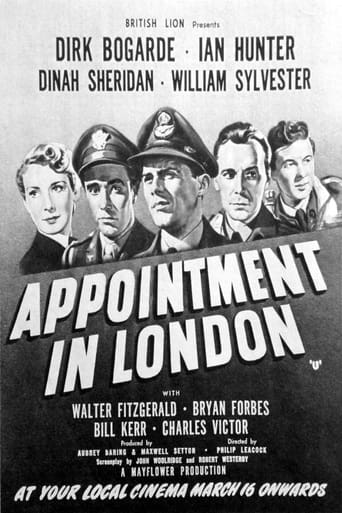
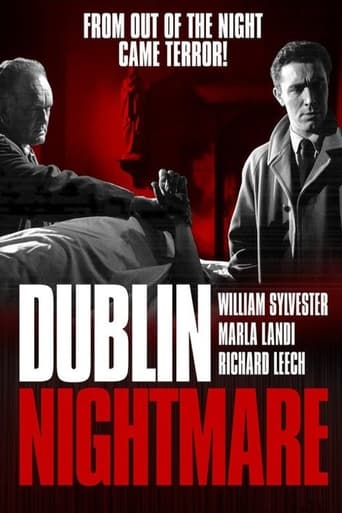
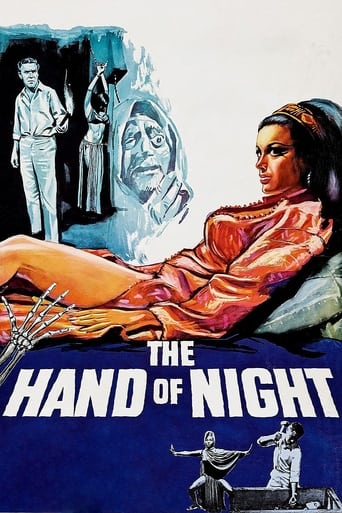
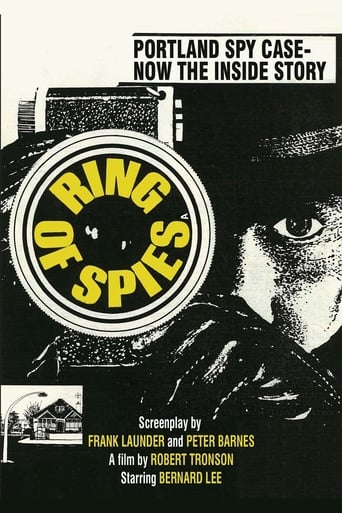
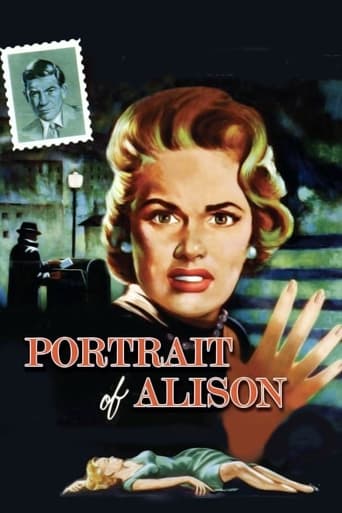
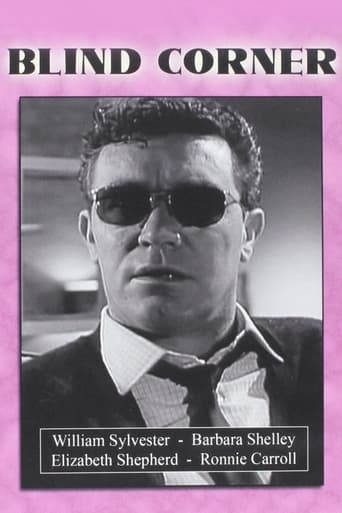
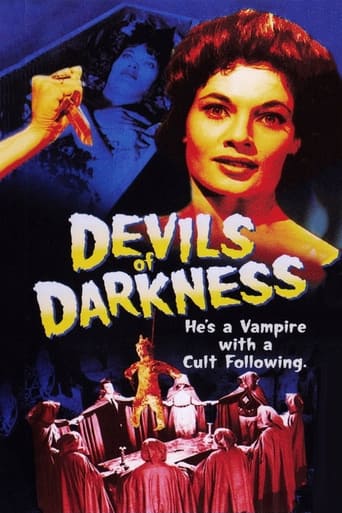
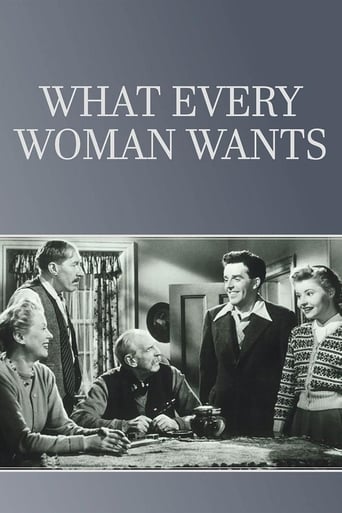
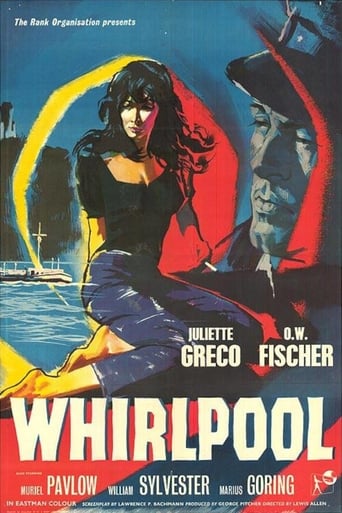
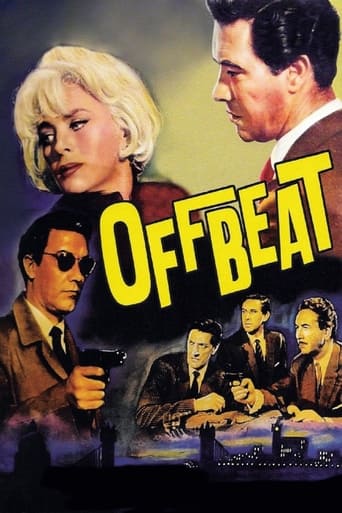
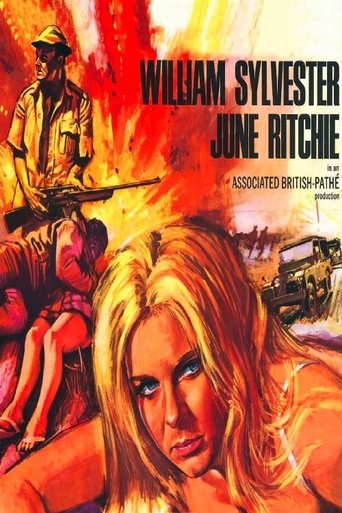
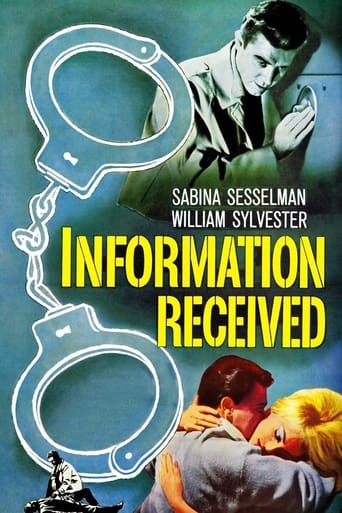
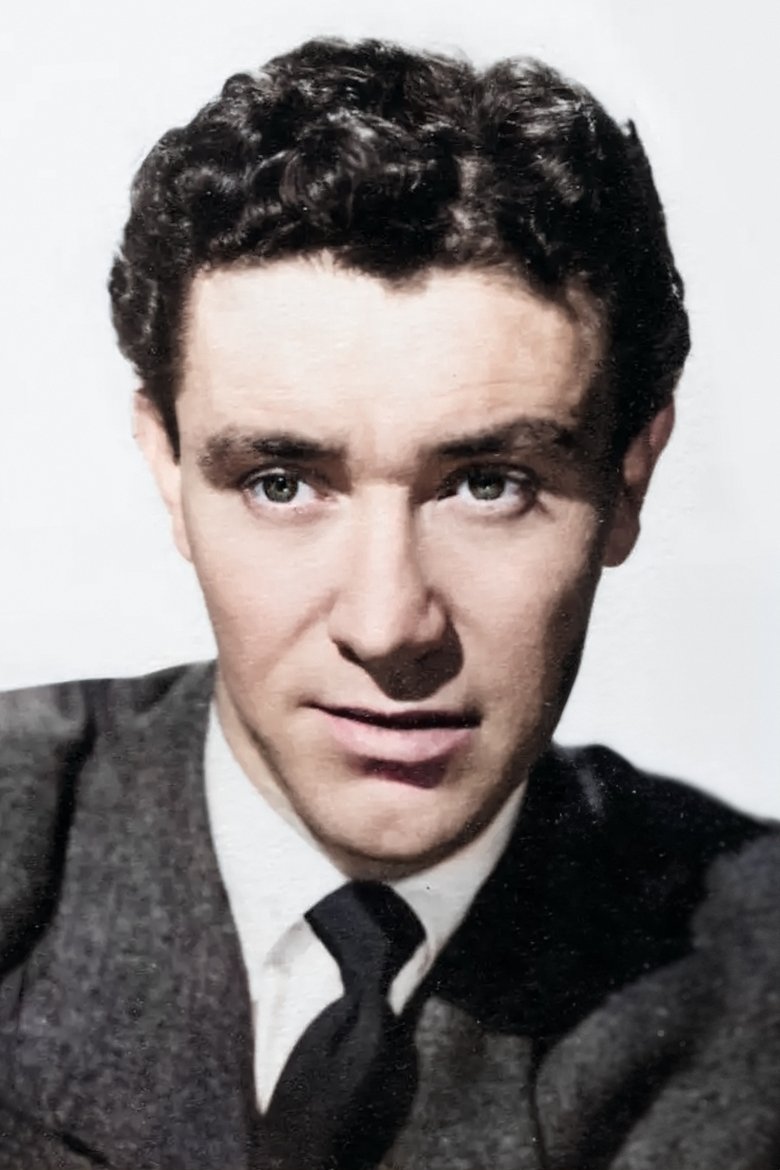
William Sylvester (January 31, 1922 – January 25, 1995) was an American TV and film actor. His most famous film credit was Dr. Heywood Floyd in Stanley Kubrick's 2001 A Space Odyssey (1968). Born in Oakland, California and married at one time to the British actress Veronica Hurst, he moved to England after the Second World War and became a staple of British B films at a time when American and Canadian actors were much in demand in order to give indigenous films some appeal in the US. As a result, he gained top billing in one of his very first films, House of Blackmail (1953), directed by the veteran filmmaker Maurice Elvey, for whom he also made What Every Woman Wants the following year. He also starred in such minor films as The Stranger Came Home (1954, for Hammer), Dublin Nightmare (1958), Offbeat (1960), Information Received (1961), Incident at Midnight, Ring of Spies and Blind Corner (all 1963). There were also lead roles in four British horror films: Gorgo (1960), Devil Doll (1963), Devils of Darkness (1964) and The Hand of Night (1966). Among his many TV credits were a 1959 BBC version of Shakespeare's Julius Caesar (playing Mark Antony), The Saint, The Baron, The High Chaparral, Harry O and The Six Million Dollar Man. His later films included You Only Live Twice (1967) and, back in the USA after his prominent role for Kubrick, Busting (1973), The Hindenburg (1975) and Heaven Can Wait (1978). He died in Sacramento, California in 1995, aged 72.
William Sylvester filmography
Filmography37








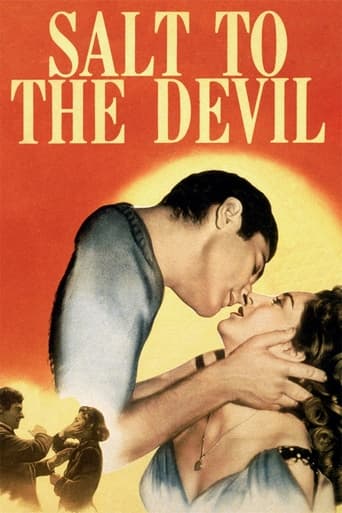
Know the day William Sylvester's next film opens
Follow once, we'll tell you when it reaches cinemas.


Common questions
Who is William Sylvester?+
William Sylvester was an American actor known for his work in 1950s-70s British cinema, including several genre and cult films.
What is William Sylvester known for?+
He is primarily recognized for playing Dr. Heywood Floyd in Stanley Kubrick's 2001: A Space Odyssey and for his lead roles in various British horror and sci-fi B-movies like Gorgo and Devil Doll.
What kind of work did William Sylvester do?+
He was a versatile character actor who transitioned from mid-century British B-films to supporting roles in major Hollywood productions.