




Pawel Pawlikovsky is Wes Anderson for eastern europeans with severe depression
Wir nutzen Cookies, um dein Erlebnis persönlicher zu machen und den Traffic zu messen. Du kannst jederzeit widersprechen.
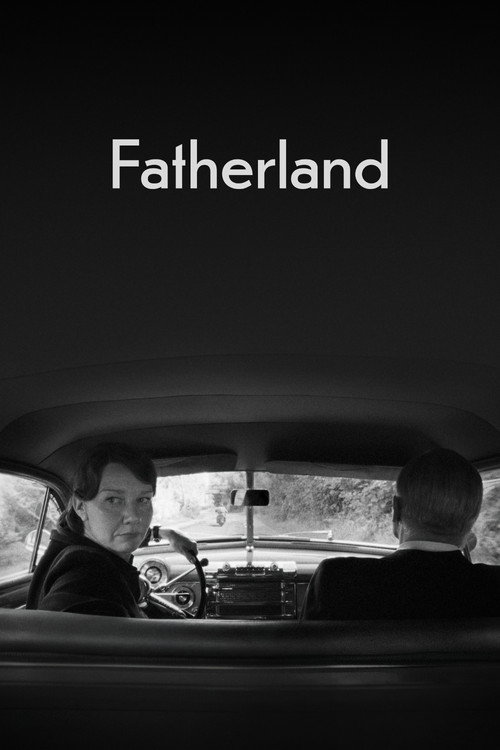
Nach dem Ende des Zweiten Weltkriegs begeben sich Literaturnobelpreisträger Thomas Mann und seine Tochter, die Schauspielerin, Autorin und Kabarettistin Erika, auf eine Reise durch ein Deutschland in Trümmern – von Frankfurt in der amerikanischen Besatzungszone bis ins sowjetisch kontrollierte Weimar. Zum Goethe-Jubiläum wünscht man sich auf beiden Seiten der innerdeutschen Grenze Worte des Trostes, der Zustimmung und der Vergebung vom größten aller Erzähler. Zwischen euphorischen Wagner-Erben und literarisch versierten Generälen wird Deutschlands wichtigster Schriftsteller hofiert und manchmal auch beschimpft, während das Drama seiner eigenen Familie leise eskaliert. Es ist das erste Mal seit dem Krieg, dass Thomas Mann in sein Heimatland zurückkehrt, aus dem er einst ins Exil geflohen war. Eine Reise in die verwundete deutsche Seele, die heilen soll – sie wird für Erika und den Zauberer, wie seine Kinder Thomas Mann oft nannten, zu einer Reise ins Innerste.
Fatherland läuft in 8 Kinos in Athen - nächste Vorstellung Sonntag, 4. Oktober um 15:15 im Cinobo Opera.
Du siehst die Vorstellungen von heute.Vollständiger Spielplan & Filter
Du siehst Athen. Wechsle oben die Stadt für Vorstellungen anderswo.
Spielzeiten zu Fatherland, jeden Morgen aktualisiert
Wähle dein Kino und bekomm einen Hinweis, bevor der Film aus dem Programm fällt.


Pawel Pawlikovsky is Wes Anderson for eastern europeans with severe depression

Stalin or Mickey Mouse

I think this is Pawlikowski’s greatest statement in his trilogy of individuals searching for their place in a ravaged post-WWII Europe. One where nations and individuals are looking to align themselves with a strong image/symbol, but not willing to do the soul searching.It’s concise but very dense and rich. Though it’s dramatically restrained, it offers a quiet spiritual catharsis in the end that I found very moving. Hüller and Zischler are wonderful.It will help you to watch Ida/Cold War before this and to know a little of the political/personal themes that Pawlikowski is interesting in exploring. Could see some feeling kind of lost without that context.
The film follows the writer Thomas Mann and his daughter Erika in 1949 as they undertake a road trip through a fractured post-war Germany, crossing from the American-occupied zone to Soviet-controlled territory.
The film is directed by Paweł Pawlikowski, a Polish filmmaker known for his refined, black-and-white stylistic approach in films like Cold War.