



Pawel Pawlikovsky is Wes Anderson for eastern europeans with severe depression
We use cookies to personalize your experience and analyze traffic. You can opt out at any time.

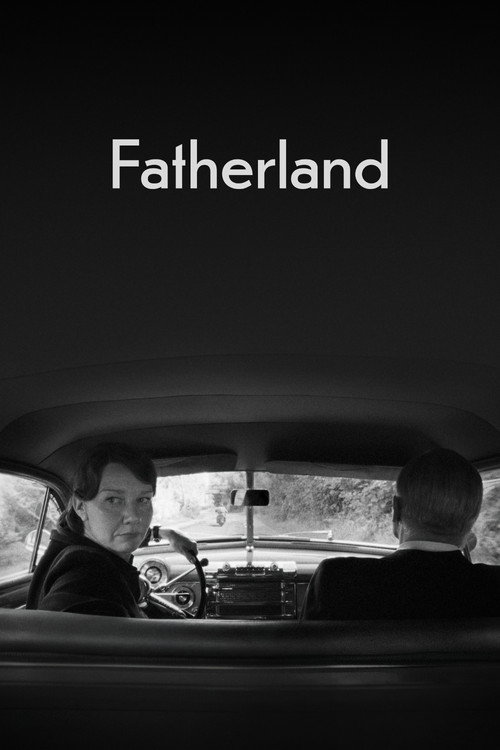
Το 1949, ο Γερμανός συγγραφέας Τόμας Μαν και η κόρη του Έρικα ξεκινούν ένα οδικό ταξίδι σε μια κατεστραμμένη Γερμανία, από τη Φρανκφούρτη που ελέγχεται από τις ΗΠΑ μέχρι τη Βαϊμάρη που βρίσκεται υπό σοβιετική κατοχή.
Η «Πατρίδα» παίζεται σε 23 σινεμά στην Αθήνα - επόμενη προβολή Τρίτη 15 Σεπτεμβρίου στις 17:45 στο Cinema Athinaion 1 & 2.
Εμφανίζονται οι σημερινές προβολές.Πλήρες πρόγραμμα & φίλτρα
Εμφανίζονται προβολές στην Αθήνα. Άλλαξε πόλη παραπάνω για προβολές αλλού.
Προβολές για Πατρίδα, ενημερωμένες κάθε πρωί
Διάλεξε σινεμά και πάρε υπενθύμιση πριν κατέβει.


Pawel Pawlikovsky is Wes Anderson for eastern europeans with severe depression

za każdą wielką kobietą stoi mężczyzna - stoi i pierdoli

I think this is Pawlikowski’s greatest statement in his trilogy of individuals searching for their place in a ravaged post-WWII Europe. One where nations and individuals are looking to align themselves with a strong image/symbol, but not willing to do the soul searching.It’s concise but very dense and rich. Though it’s dramatically restrained, it offers a quiet spiritual catharsis in the end that I found very moving. Hüller and Zischler are wonderful.It will help you to watch Ida/Cold War before this and to know a little of the political/personal themes that Pawlikowski is interesting in exploring. Could see some feeling kind of lost without that context.
The film follows the writer Thomas Mann and his daughter Erika in 1949 as they undertake a road trip through a fractured post-war Germany, crossing from the American-occupied zone to Soviet-controlled territory.
The film is directed by Paweł Pawlikowski, a Polish filmmaker known for his refined, black-and-white stylistic approach in films like Cold War.