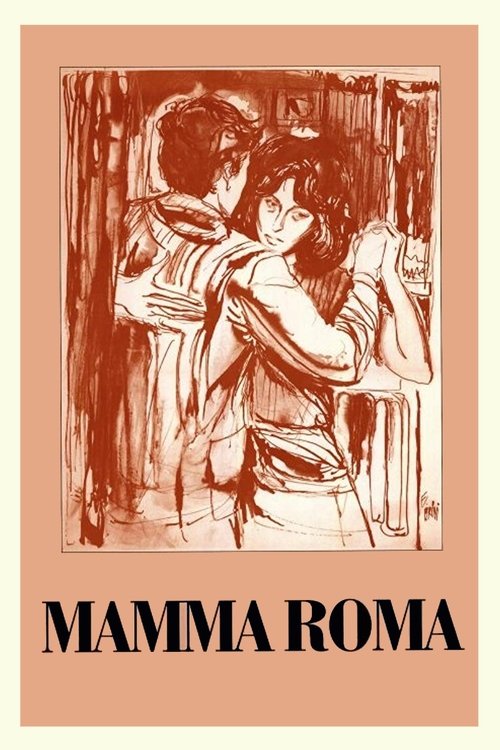
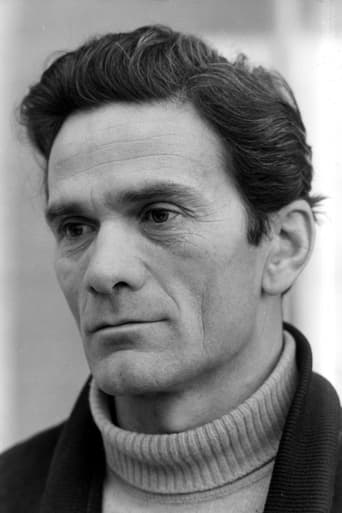





The fantasy of the the Italian night intersects with the reality of the postwar rubble in Pier Paolo Pasolini’s “Mamma Roma.” Early in his career, Pasolini still works very much within the neorealist structure for “Mamma,” the story of a single mother and her teenage son struggling to survive and understand one another on the outskirts of Rome. Although, there are, already, emergences of the director’s perception on how the forces of power manipulate the sacred body for the profane. “Mamma” stars Italian cinema icon Anna Magnani, and was banned on its initial release. Magnani’s title character walks the streets in the evening in order to support herself and her son. Mamma Roma is forced to subjugate herself sexually in order to maintain a bourgeoisie lifestyle that verges closer to the subproletariat. What begins as a tender coming of age tale of the relationship between mother and son gradually distorts into both of them losing their liberty and their identity for the illusion of consumerism. Where Pasolini starts the film in a grounded neorealism, by its concluding act, the director has mounted the woes of his characters into a nightmarish distortion. The interweaving of the familiar and the horrific distinguishes Pasolini, in only his second feature film, as an artist that is utterly unafraid of depicting the consequences of desire, and how open the possession of wanting leaves those with it to all forms of manipulation.