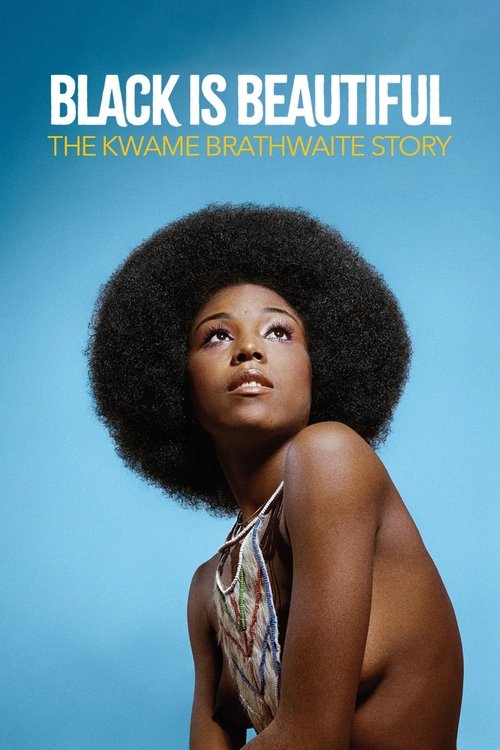

500,000 photos!! That friend circle. That checklist of countries. That FBI list?!To see the Obama footage ringing the bell and to know Kwame wasn't mentioned once inside yet is wild. A testament to why kids and grandkids absolutely must capture their elders' stories while they still can ❤️As someone who watches even the most blandly told archival tales, believe me when I say this was one of the most enthralling docs I've watched in ages. I had absolutely no idea where this was going or who Kwame was, which is the main reason I chose this screening and I'm so glad I did. I'm just glowing coming out of this experience. Completely swept me up in its unraveling of hidden historyI love how the framing of this story was this man's life, and his brother's, and the political violence of the 1950s-1970s, but then it opened up to reveal these women and these midcentury celebrities and then these current celebrities. Love to see Gabrielle Union and Jesse Williams and Rihanna all making sure Kwame's mission continues to be supported.I also really respect the thoughtfulness in recognizing Sikolo's (his wife's) sacrifice - and how hard it was to choose that sacrifice - to enable Kwame Sr.'s work. Behind every great man there is a woman keeping shit together. In this case, as the breadwinner AND household manager AND mom... and Grandassa model! 💕 Something that stood out is how most white photographers taking photos of Black people and culture do so to "capture and extract our pain" whereas he was showing joy as its own form of revolution and protest.Also I really want to have a beer with the Blues & Soul guy!!! 🍺-----Some notes from Q&A with Kwame Jr. and Director Yemi Bamiro:- Kwame Jr and Robin have been going through his dad's photo archives for 15 years and they're only 5% of the way through. Their son who's a little kid in the film is currently a freshman at USC. They now have a 501(c)(3) so they can apply for grants to continue the work.- On whether he knew as a kid how big of a deal his dad was: "I remember when I was six years old, he said he had to take some photos over to Stevie Wonder. I'm like, you don't know Stevie Wonder! We walked over and [dad] said "Hey hey," and Stevie Wonder said "Hey Kwame!" And I realized, he knows him even just by his voice!"- The project was originally more of a biopic: "It was all about Kwame, and the family weren't heavily involved - and then I think we understood a little bit... this is a story ultimately about legacy, and he's at the forefront of this legacy now. So we could not make the film without [the family]. And I think people can sort of like relate to that idea of family legacy and protecting and promoting... We have to strike a balance between the family element and the man."- "You know we're dead smack in the middle of an attack on facts and truth. Erasure. But this is primary source material." So you can't argue with it.- "How do you also protect all this in the age of Al right? So now we're working with a company not based in the US, that protects the archive in that way, and has better controls."- "Everyone has an amazing story right? This is one particular one, in the arts. Find your family story. What are the things [you need to protect] from that past generation?" Kwame Jr. mentioned he wished they'd started earlier because it would have been much easier. But "to see him get his flowers" was rewarding, and "now we move on [without him] so it's incredibly important for me, for everyone to get the stories right."- re: whether they learned anything new about their father while making this project: "I didn't know about the relationship to John Abbey and Blues & Soul - the extent of their relationship and how tight they were. The fact that he was the photographer that introduced all those acts to the UK is crazy!" "Also finding footage of the Rumble in the Jungle and the picture, and seeing him next to Muhammad Ali and the Jacksons."- re: if there was anything the director would have included if they had more runtime: "Kwame's relationship wirh Africa could have been an hour and a half itself. We scratched the surface. He was a Pan-Africanist. There's all the stuff in the Apollo as well. There are so many elements of his life that we could have expanded upon."- "One of the things my father said when he was still with us, he said "I didn't make a lot of money right? What I have for you and what I have for your kids and their kids is this archive and so you need to figure out how to make it right. And don't, you know, donate it to some institution that's going to just put it on the shelf and not allow people to learn and experience it." And so we've been very, very intentional about how we work, and that's why it's been such a slow release of the images and the materials, because we want to make sure this is here, not for a good time before a long time."-----🌉 San Francisco Film Festival #62026 favorites