
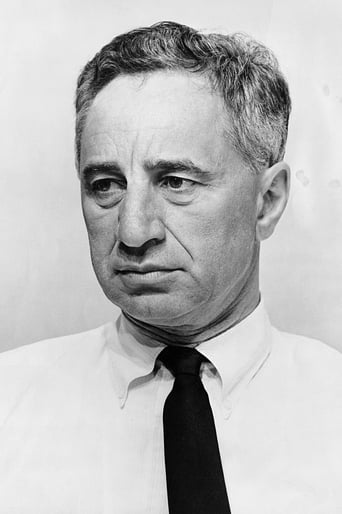

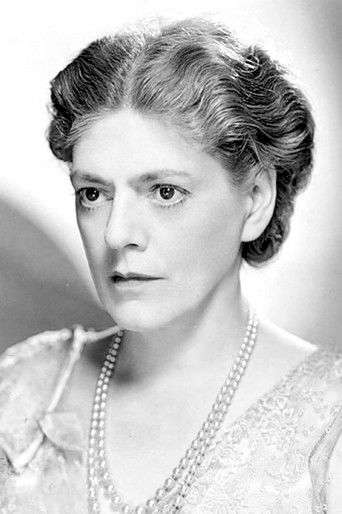
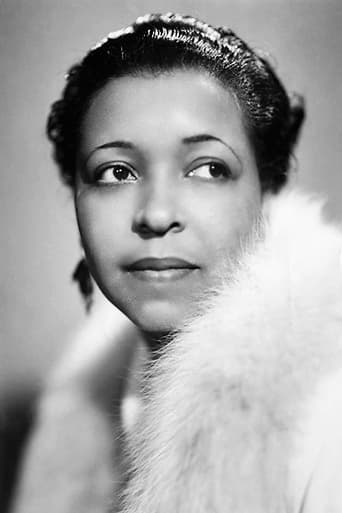

Elia Kazan lives out his valiant savior of the wronged fantasy in “Pinky,” a film that needs to exist, in spite of any reason originally intended by its creators. “Pinky’s” production is about as problematic as the casting of its lead; Jeanne Crane, a Caucasian actress, here, playing the part of a white passing African-American woman. “Pinky” is a morals play that preaches what it doesn’t actually practice on its own. Kazan was a replacement director on the project; stepping in for John Ford, whom the studio dismissed for making the film’s black characters into blatant Mammy cliches. Ford ‘got’ the shingles. And Kazan, got a high-minded follow-up to his moralist Best Picture winner, “Gentleman’s Agreement.” Ford’s version of the script, though, was also one throughly adjusted by the then-President of the NAACP; intended to condemn segregation, and champion action for equality by black people. By the time Kazan inherited the picture, anything that even hinted at militancy for the end of prejudice was well and truly absent. What Kazan instead turned out, is a stiff formalist sermon of a movie that wants so desperately to be an emotional melodrama. Not permitted to film on location in the South, “Pinky” is as trapped and false as its studio-built sets. Crane belongs nowhere; a cardboard cutout of a character. She condescends to, rather than co-exists with, her grandmother figure in Ethel Waters (a black actress). She doesn’t affect being non-white, but instead is barely able to muster any identifiable emotional association or heritage at all. This dilemma becomes worse, when it’s accounted for that African-American icon Lena Horne had lobbied for the same role, and been passed over. What, then, is the value in “Pinky,” a film that plays at holier than thou equality, but allowed for anything but that in its production? It’s a result entirely unplanned by either Kazan, or 20th Century Fox. “Pinky,” in a landmark Supreme Court decision, was the work that finally granted first amendment protection to motion pictures, after its banning in a small Texas town was disputed by one theatre owner. At last, an act of true personal bravery; such that was lacking throughout almost every aspect of “Pinky’s” actual formation by its studio and its director.