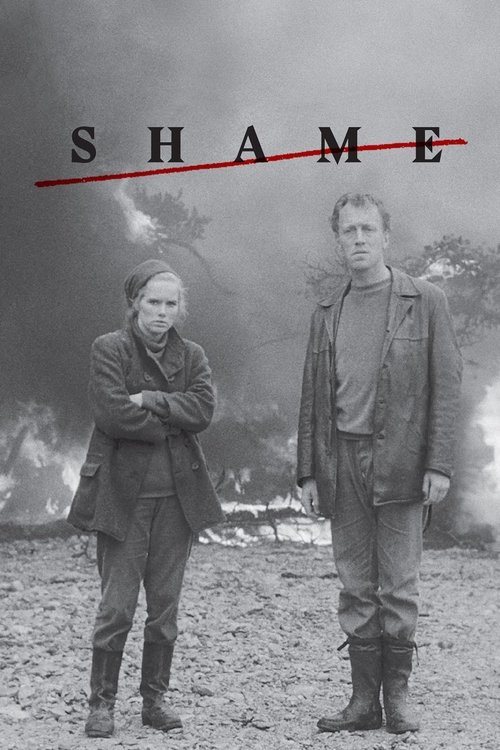


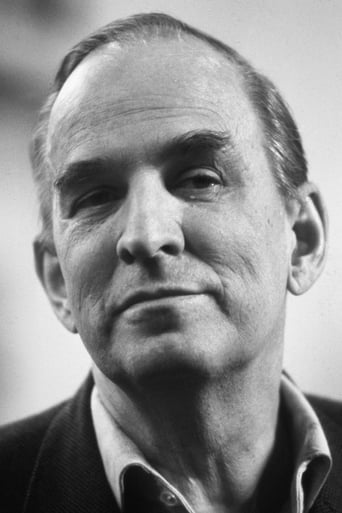
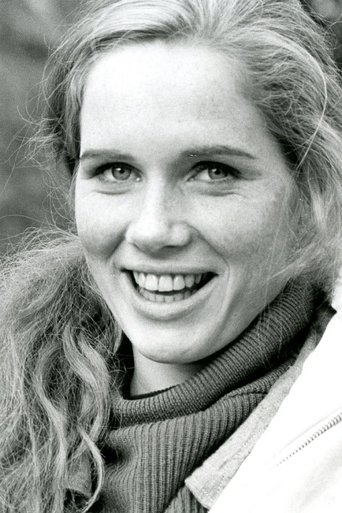
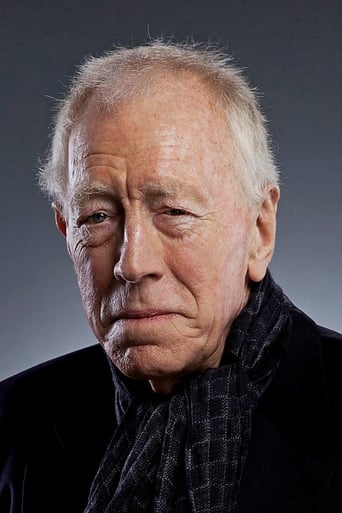


Shame is one of Ingmar Bergman's greatest films, and a film that is distinctively his work even though it has a few atypical features. After the incomparable Persona, Bergman followed it up with three lesser known masterpieces from 1968-69. The informal trilogy - Hour of the Wolf, Shame, The Passion of Anna - each follow different couples played by Liv Ullmann and Max von Sydow whose lives are disrupted by violence. These films also utilised genres or styles that Bergman rarely worked with - horror, war, French New Wave influences. These films are atmospheric and intense, and Shame being a war film set in the future is no exception.Shame is about war in the most abstract sense. Like Tarkovsky's Sacrifice, Shame uses war only as a backdrop for the troubles of the characters. As war rages on in Shame, the central couple witness their relationship deteriorate. War makes them unfaithful to their morals, their principles, their feelings, and each other. It's no surprise resentment slowly grows between them. War also brings all their contradictions to the forefront. They are able to simultaneously love themselves and hate themselves. They can love themselves enough to not want to fight, but also hate themselves for being cowardly. This selfishness is seemingly justified because of the brutality of war, but it reveals the moral decline of humanity. No wonder the external terror creates internal sadness within the characters. It is the internal conflict of the lead couple that is actually the harshest part of Shame. They begin the film shut off from the world, with no external communication and unable to escape their insular lifestyle. They have their own problems, but emotional troubles can be fixed within a relationship. Unfortunately, the world and the war insists on intruding upon their lives, before promptly abandoning them. Their previous artistic lives are revealed to have been futile. This futility, compounded by the shame of cowardice and their questionable moral choices, drives the couple apart. In times of distress or fear, people are sometimes more truthful about their feelings and this leads to callousness. War doesn't directly destroy the relationship, it merely makes the characters lose their souls, and that makes them unable to find the happiness they once found in one another.War is faceless in Shame. The sides are indistinguishable yet indifference will get you killed. The political opinions of the characters are never made explicit, because this is a world of ambiguity which doesn't even end. The external war isn't what Bergman is trying to explore, he's far more fascinated by the internal wars inside the characters. The dreams they have are both happy and sad, as they find beauty within disaster, and can never tell if that is hypocritical.A remnant of Persona found in Shame is the discussion of motherhood. Liv Ullmann's character wants children but, as war kills dreams, it is only possible to have children during peacetime. Yet peace will never happen, and this devastating realisation ruins the characters. Bergman always created such compelling female characters, and Eva (played by the talented and beautiful Liv Ullmann) is another fine example. Eva's strength in the first act is slowly worn down as the film enters murkier territory, and her gradual dejection is the most heartbreaking part of the film.The cinematography in Shame is among Sven Nykvist's finest. The scale of the story is larger than usual for Bergman, so the camerawork is similarly more expansive and dynamic. Yet there's also a lot of intimacy, captured through many close-ups and a few lengthy static takes. Some of those moments remind me of the work of Béla Tarr, with few cuts and a depressing depiction of how mankind treats one another.Shame is a masterful depiction of the way war ruins lives, especially in an internal sense. With the talented Liv Ullmann and Max von Sydow giving Bergman's writing even more poignancy, Shame paints a tapestry of the crushing emotional impact of war. As the characters have a lot of bodies to get through, it's no surprise they spend a lot of time crying, huddled on the stairs.Ingmar Bergman RankedMy Top Films of the 1960s