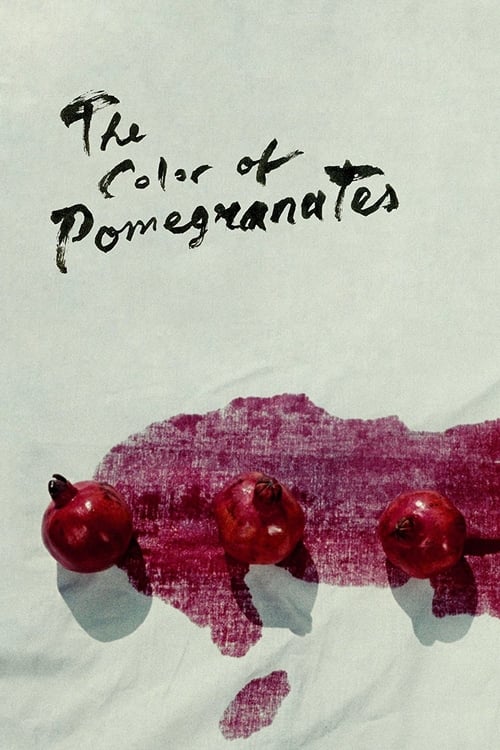
There’s a pretty reassuring review on here that was something I knew before watching this but needed to hear again afterwards where it describes the visuals as “meaning whatever they mean to you.” This film is very personal, and how it is approached depends entirely on how you look at it. I found myself feeling so many different emotions throughout this thing. Excited, irritated, depressed, turned on, uncomfortable, you name it. It’s a film about this man’s life but is also incredibly personal to the viewer, with visuals so abstract yet so specific, you can’t argue that this doesn’t make you feel something. It’s using filmmaking in a way that feels so easy yet so mastered and reminded me how powerful this medium is. I got a very specific experience out of this and what’s so amazing about it is that I guarantee you will too, but it will most likely be completely different.
cinema as poetry and poetry as cinema. a work so ingrained into the psyche of its subject that it requires every cell in your body to be tuned to its wavelength. if you do just that, you'll be rewarded with one of the most visually stunning and seriously beguiling films ever crafted. one of the only times where my inability to access parts of the "plot" (or in this case lyrical and poetic enchantments) enriches my experience; this was this mans life and only his to live. i will try to understand what i can, always...yet sometimes we can only be curious passerbys. a film i think that will only get better with age and experience.
***One of the best 150 films I have ever seen.***Sayat Nova is two things for me: the life stages of a poet's life interpreted subjectively and visually rather than literally (through a straightforward narrative), and the representation of the Armenian culture in violent times, again seen through the eyes of the poet. Each stage of the film depicts the poet's life: his growth, his poetry depicting what his eyes saw about his mother Armenian culture, his life in a monastery, his discovery of eroticism, his immersion in literature, his death, everything with interruptions of Armenia's persecution.Having troubles with the film because of its completely abstract and unexplained imagery? Fear not, because they mean whatever they mean to you. Think of poetry: the original author is thinking of something and feeling emotions when writing his/her poetry; however, no matter how clearly he/she wants to transmit them through graphic explanations or literary embellishment, you'll never think nor feel exactly what the author did. That is because poetry, like all arts including cinema, speak to all people in different ways, and maybe none at all.Let me state an example: The red juice of a cut pomegranate is spilled over a cloth, and the juice draws the shape of the boundaries of the Kingdom of Armenia, which dates back from 321 BC to 428 AD. My dear reader, please remember that poetry is interpreted with the eyes of the reader/observer, and not of the writer. If the poet wanted to transmit his feelings literally, he would do it. The symbols mean what you want them to mean, using as much as you want of the cultural and historical knowledge you have at your disposal. So let's just take THIS SCENE as my second and most important example. I made it whatever I wanted it to be. He holds two cups: earth and grains, so the earth is presented as the source of food (the Armenian culture is known for having a strong attachment to the soil/earth from which everything grows). An importance is also given to the animal creatures of the earth and the bond born between humans and animals derived from their relationships, like domestication, farm use or breeding, implied by the cane he is holding with the chicken. The skull means death, maybe an invasion process, because the skeleton is clothed. The candle means fire, and the white rose symbolizes beauty, so the white rose approaching the candle means that beauty in the world was about to die. However, the candle is transformed into another white rose, implying that beauty indeed has a bigger human transcendence and importance than violence and destruction. The lace: notice that the woman and the man wear the same clothes, except for the lace. That simply symbolizes love. The shell means the eroticism I mentioned up there, because the same shell is seen in a woman's breast beforehand. Finally, the book suspended and changing pages is shown the whole 2 minutes, so maybe it means that his ambition was to capture as much as possible from his own experiences and immortalize it through literature (which indeed happened). But again, art and poetry are a homework of the heart!A cultural collage of colossal allegorical meaning; an almighty imagery and a traditional musical score create and absorbing inner world of thousands of different perspectives about the same elements of life and Nature themselves. Extraordinary triumph for the history of cinema thanks to Parajanov, the master of visual artistry.100/100