
James Booker
A nostalgic, stylish boogie-woogie artist.
Tracks5
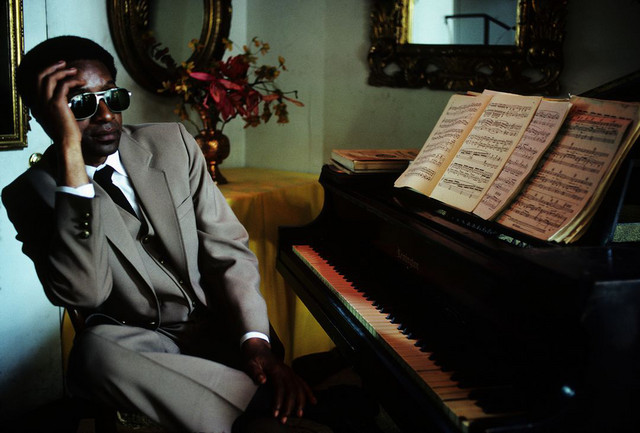
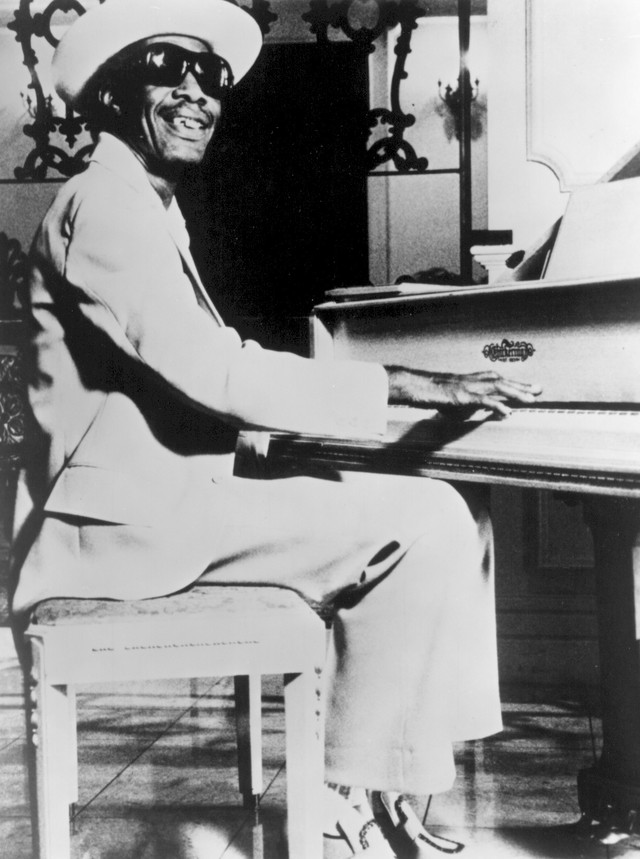
Certainly one of the most flamboyant New Orleans pianists in recent memory, James Carroll Booker III was a major influence on the local rhythm & blues scene in the '50s and '60s. Booker's training included classical instruction until age 12, by which time he had already begun to gain recognition as a blues and gospel organist on radio station WMRY every Sunday. By the time he was out of high school he had recorded on several occasions, including his own first release, "Doing the Hambone," in 1953. In 1960, he made the national charts with "Gonzo," an organ instrumental, and over the course of the next two decades played and recorded with artists as varied as Lloyd Price, Aretha Franklin, Ringo Starr, the Doobie Brothers, and B.B. King. In 1967, he was convicted of possession of heroin and served a one-year sentence at Angola Penitentiary (referred to as the "Ponderosa"), which took the momentum out of an otherwise promising career. The rediscovery of "roots" music by college students during the '70s (focusing primarily on "Fess" by Professor Longhair) provided the opportunity for a comeback by 1974, with numerous engagements at local clubs like Tipitina's, The Maple Leaf, and Snug Harbor. As with "Fess," Booker's performances at the New Orleans Jazz & Heritage Festivals took on the trappings of legendary "happenings," and he often spent his festival earnings to arrive in style, pulling up to the stage in a rented Rolls Royce and attired in costumes befitting the "Piano Prince of New Orleans," complete with a cape. Such performances tended to be unpredictable: he might easily plant some Chopin into a blues tune or launch into a jeremiad on the CIA with all the fervor of a "Reverend Ike-meets-Moms Mabley" tag-team match. Booker's left hand was simply phenomenal, often a problem for bass players who found themselves running for cover in an attempt to stay out of the way; with it he successfully amalgamated the jazz and rhythm & blues idioms of New Orleans, adding more than a touch of gospel thrown in for good measure. His playing was also highly improvisational, reinventing a progression (usually his own) so that a single piece would evolve into a medley of itself. In addition, he had a plaintive and seering vocal style which was equally comfortable with gospel, jazz standards, blues, or popular songs. Despite his personal eccentricities, Booker had the respect of New Orleans' best musicians, and elements of his influence are still very much apparent in the playing of pianists like Henry Butler and Harry Connick, Jr. ~ Bruce Boyd Raeburn
No dates announced yet
Get notified the moment James Booker announces a new show.
New James Booker dates land in the app first
Follow once and we’ll tell you when a new date is announced.


Similar Artists
Similar Artists

Music profile
energy
60
polish
40
commerciality
20
fashion
80
locality
60
nostalgia
80
queerness
60
age
60
Common questions
What kind of music does James Booker play?+
James Booker plays New Orleans rhythm and blues, blending brilliant stride piano, jazz standards, and gospel influences.
What are James Booker's live shows like?+
James Booker's live performances were celebrated theatrical events featuring flamboyant costumes, virtuosic improvisations, and eclectic medleys.
How can I find out when James Booker is playing?+
Follow James Booker on Mood.
Related searches
- james booker concerts
- james booker tour dates
- james booker live
- james booker music
- artists like james booker
- james booker piano